


يشهد قطاع صناعة الملح في المملكة تطورًا واهتمامًا كبيرًا من وزارة الصناعة والثروة المعدنية، التي أطلقت العديد من الفرص الاستثمارية شملت رخص الكشف الجيولوجي لخام الملح، ورخصًا تشغيلية للمصانع لإنتاج الملح وتعبئته في مختلف مدن ومحافظات المملكة.
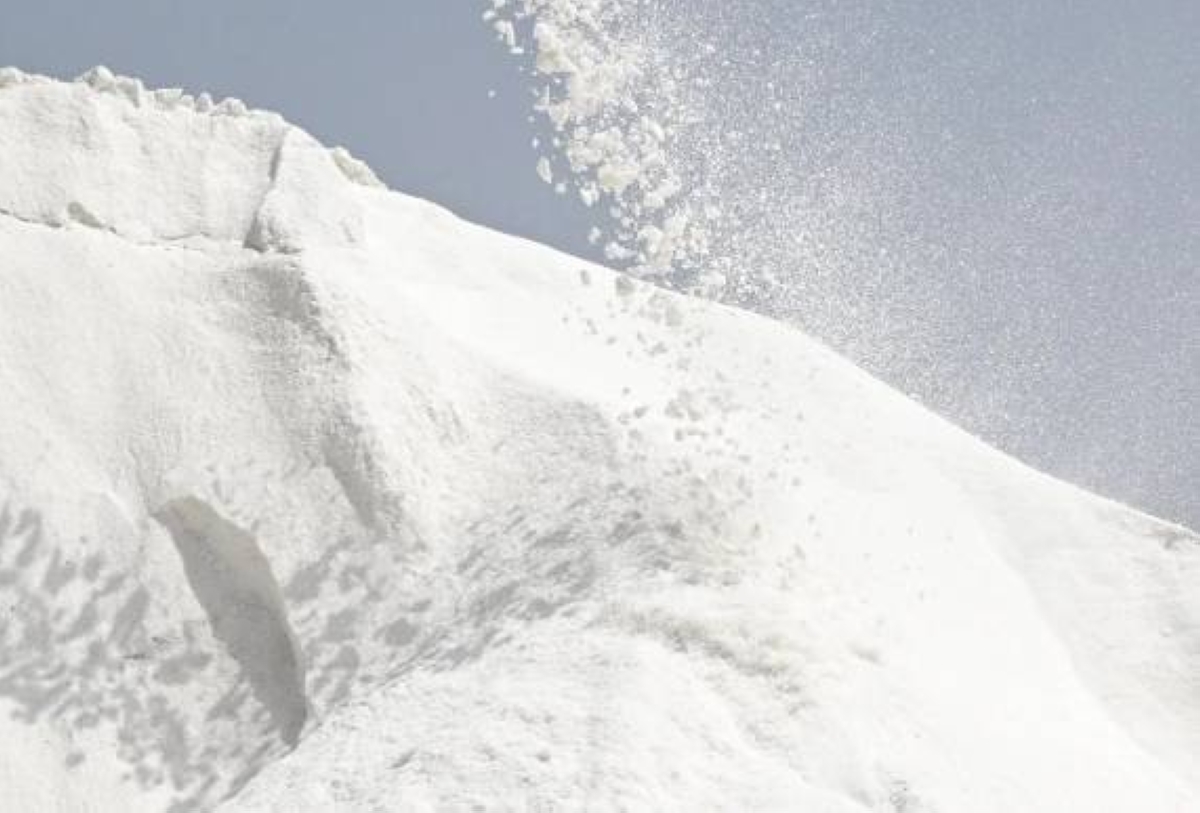
وأنتج 27 مصنعًا وطنيًّا للملح «الذهب الأبيض» حتى منتصف العام الحالي 2025، الملح الخام متعدد الاستخدامات، التي غذت الأسواق بقيمة إجمالية بلغت 3.7 مليار ريال، إذ صُدِّر الملح الخام السعودي الصناعية والدوائية والغذائية، إلى الأسواق المحلية والدولية، شملت المملكة الأردنية الهاشمية، ودولة الإمارات العربية المتحدة، ومملكة البحرين، وجمهورية السودان، وجمهورية الصومال، ودولة الكويت، وجمهورية اليمن، وجمهورية اليونان، وجيبوتي، وسلطنة عمان، ودولة قطر، وليبيا، وماليزيا، وموريتانيا، وإندونيسيا، بقيمة تجاوزت 18 مليون ريال، من عام 2024 حتى النصف الأول من العام الحالي 2025م.
وتوجد مخازن الملح الطبيعية في السبخات الملحية المحاذية لساحل الخليج العربي بالمنطقة الشرقية، الممتد بطول أكثر من 1200 كيلومتر من شمال محافظة الخفجي إلى محافظة العقير جنوبًا، إذ تحتضن المنطقة العديد من السبخات المنتجة للملح، وأقدمها وأبرزها، سبخة (رأس القرية) الساحلية في محافظة بقيق، وتبعد عن البحر قرابة 4 كيلومترات، وتنتج ملحًا طبيعيًّا عاليَ النقاوة، يطفو طبيعيًا على سطح الأرض، ويمتد بعمق 5 أمتار في باطن الأرض.
ويُستَخرج الملح البحري في فصل الصيف بتجفيف مياه الأمطار ومياه البحر في السبخات الملحية بأشعة الشمس وتبخير المياه للحصول على الملح الخام، ويُغلف ويُعبّأ وينقل للأسواق المحلية والعالمية، ويُستَخرج من الصخور الغنية بكلوريد الصوديوم مثل الهاليت، إضافة إلى استخراجه من مناجم الملح الطبيعية، وأيضًا يُسْتَخْرَج من بعض البرك الطبيعية أو المناجم.
وتسهم صناعة الملح في دعم الصناعات التحويلية والبتروكيميائية، وإنتاج ملح الطعام المكرر عالي النقاوة، كما يُستخدم المكرر منه في دعم الصناعات الغذائية، أما الخام منه يستخرج من سبخة رأس القرية في دعم الصناعات التحويلية والبتروكيميائية، وإنتاج ملح الطعام يجري تحويله إلى ملحٍ صناعي خالٍ من الشوائب بنسبة تفوق 99% من كلوريد الصوديوم.
بدوره، أكد المدير العام لشركة مسفر للتعدين والخدمات اللوجستية فهد القحطاني، أن المملكة تنعم بالخيرات الكثيرة، وتحظى بمخزون إستراتيجي كبير في قطاع التعدين، ومنه صناعة الملح الذي يمثل مرتكزًا أساسيًا يستخدم في العديد من المجالات الصناعية والغذائية والدوائية، مبينًا أن رؤية المملكة 2030 أولت قطاع التعدين اهتمامًا بارزًا لدوره الداعم في الاقتصاد الوطني.
وأوضح أن السبخات الملحية توجَد في العديد من مناطق المملكة، خاصة في المنطقة الشرقية وأقدمها سبخة (رأس القرية) في محافظة بقيق، الذي أسهم موقعها الجغرافي على ضفاف الخليج العربي في وجود الملح البحري والصخري فيها بشكل كبير، مبينًا أن خام الملح يتكون من آلاف السنين، وذلك من خلال دخول ماء البحر على السبخات الرملية منخفضة الارتفاع عن سطح البحر، حيث يُبَخَّر ماء البحر بحرارة الشمس، ومن ثم رفع الترسب الملحي وإعادة غسله داخل المنجم واستخراج الملح النقي الخالي من الشوائب الرملية، ومن ثم يُعاد تكريره وتهيئته حسب الاستخدام الغذائي والصناعي.
بدوره، تناول المتخصص في مجال التعدين المهندس أحمد العوض، أنواع الملح في المملكة التي تتكون من نوعين أساسين: هما الملح الصخري، ويتكون من مياه البحر، وتكون نقاوته عالية ومتعدد الاستخدامات في الجانب الصناعي والغذائي، وتكون كمية إنتاجه كبيرة، والنوع الثاني من الملح يتكون بتبخير المياه الجوفية، وتكون كميته قليلة وجودة أقل.
وأكد المهندس العوض أن مناجم الملح في المنطقة الشرقية تُخْتَار وفق مسح جيولوجي لتحديد كمية مخزون الملح في الموقع (سبخات الملح)، مشيرًا إلى أن بعض المواقع في سبخة رأس قرية يفوق مخزون الملح فيها 5 ملايين طن من الملح الخام المتجدد، متطرقًا إلى طريقة استخراجه من خلال حفر خنادق يصل عمقها إلى 4 أمتار داخل المناجم وبمواصفات تراعي الحافظ على البيئة والثروة المعدنية.
بـ 3.7 مليار ريال..«الذهب الأبيض» السعودي يُغذي الأسواق المحلية والعالمية
26 يوليو 2025 - 20:02
|
آخر تحديث 26 يوليو 2025 - 20:02


تابع قناة عكاظ على الواتساب
«عكاظ» (بقيق)
The salt industry sector in the Kingdom is witnessing significant development and attention from the Ministry of Industry and Mineral Resources, which has launched numerous investment opportunities, including geological exploration licenses for salt ore and operational licenses for factories to produce and package salt in various cities and provinces across the Kingdom.
By mid-2025, 27 national salt factories, known as "white gold," have produced versatile raw salt that has supplied markets with a total value of 3.7 billion riyals. Saudi raw salt has been exported for industrial, pharmaceutical, and food purposes to local and international markets, including the Hashemite Kingdom of Jordan, the United Arab Emirates, the Kingdom of Bahrain, the Republic of Sudan, the Republic of Somalia, the State of Kuwait, the Republic of Yemen, the Hellenic Republic, Djibouti, the Sultanate of Oman, the State of Qatar, Libya, Malaysia, Mauritania, and Indonesia, with a value exceeding 18 million riyals from 2024 until the first half of the current year 2025.
Natural salt deposits are found in the salt flats adjacent to the Arabian Gulf coast in the Eastern Province, extending over 1,200 kilometers from the north of Al-Khafji Governorate to Al-Auqair Governorate in the south. This region hosts many salt-producing flats, the oldest and most prominent of which is the coastal flat of (Ras Al-Qaria) in Al-Buqayq Governorate, located about 4 kilometers from the sea, producing high-purity natural salt that naturally floats on the surface of the ground and extends 5 meters deep underground.
Sea salt is extracted in the summer by drying rainwater and seawater in the salt flats using sunlight and evaporating the water to obtain raw salt, which is then packaged and transported to local and global markets. It is also extracted from rocks rich in sodium chloride, such as halite, in addition to being mined from natural salt mines, and it is also extracted from some natural ponds or mines.
The salt industry contributes to supporting the manufacturing and petrochemical industries and producing high-purity refined table salt. The refined salt is used to support the food industry, while the raw salt extracted from Ras Al-Qaria flat supports the manufacturing and petrochemical industries, with table salt being converted into industrial salt free of impurities at a rate exceeding 99% sodium chloride.
In turn, Fahd Al-Qahtani, the General Manager of Masfer Mining and Logistics Services, confirmed that the Kingdom is blessed with abundant resources and has a significant strategic stock in the mining sector, including the salt industry, which represents a fundamental pillar used in many industrial, food, and pharmaceutical fields. He pointed out that Saudi Vision 2030 has given notable attention to the mining sector for its supportive role in the national economy.
He explained that salt flats are found in many regions of the Kingdom, especially in the Eastern Province, with the oldest being the (Ras Al-Qaria) flat in Al-Buqayq Governorate. Its geographical location along the shores of the Arabian Gulf significantly contributes to the presence of marine and rock salt. He noted that the raw salt has been formed over thousands of years through seawater entering low-lying sandy flats, where seawater is evaporated by the sun's heat, and then the salt deposits are raised, washed inside the mine, and pure salt free of sandy impurities is extracted, which is then refined and prepared according to food and industrial use.
For his part, mining specialist Engineer Ahmed Al-Awad discussed the types of salt in the Kingdom, which consist of two main types: rock salt, which is derived from seawater and has high purity and is versatile in industrial and food applications, with a large production quantity; and the second type of salt, which is formed by evaporating groundwater, has a smaller quantity and lower quality.
Engineer Al-Awad confirmed that the salt mines in the Eastern Province are selected based on geological surveys to determine the quantity of salt reserves at the site (salt flats), noting that some locations in Ras Al-Qaria flat have salt reserves exceeding 5 million tons of renewable raw salt. He also touched upon the method of extraction, which involves digging trenches up to 4 meters deep inside the mines with specifications that consider preserving the environment and mineral wealth.
By mid-2025, 27 national salt factories, known as "white gold," have produced versatile raw salt that has supplied markets with a total value of 3.7 billion riyals. Saudi raw salt has been exported for industrial, pharmaceutical, and food purposes to local and international markets, including the Hashemite Kingdom of Jordan, the United Arab Emirates, the Kingdom of Bahrain, the Republic of Sudan, the Republic of Somalia, the State of Kuwait, the Republic of Yemen, the Hellenic Republic, Djibouti, the Sultanate of Oman, the State of Qatar, Libya, Malaysia, Mauritania, and Indonesia, with a value exceeding 18 million riyals from 2024 until the first half of the current year 2025.
Natural salt deposits are found in the salt flats adjacent to the Arabian Gulf coast in the Eastern Province, extending over 1,200 kilometers from the north of Al-Khafji Governorate to Al-Auqair Governorate in the south. This region hosts many salt-producing flats, the oldest and most prominent of which is the coastal flat of (Ras Al-Qaria) in Al-Buqayq Governorate, located about 4 kilometers from the sea, producing high-purity natural salt that naturally floats on the surface of the ground and extends 5 meters deep underground.
Sea salt is extracted in the summer by drying rainwater and seawater in the salt flats using sunlight and evaporating the water to obtain raw salt, which is then packaged and transported to local and global markets. It is also extracted from rocks rich in sodium chloride, such as halite, in addition to being mined from natural salt mines, and it is also extracted from some natural ponds or mines.
The salt industry contributes to supporting the manufacturing and petrochemical industries and producing high-purity refined table salt. The refined salt is used to support the food industry, while the raw salt extracted from Ras Al-Qaria flat supports the manufacturing and petrochemical industries, with table salt being converted into industrial salt free of impurities at a rate exceeding 99% sodium chloride.
In turn, Fahd Al-Qahtani, the General Manager of Masfer Mining and Logistics Services, confirmed that the Kingdom is blessed with abundant resources and has a significant strategic stock in the mining sector, including the salt industry, which represents a fundamental pillar used in many industrial, food, and pharmaceutical fields. He pointed out that Saudi Vision 2030 has given notable attention to the mining sector for its supportive role in the national economy.
He explained that salt flats are found in many regions of the Kingdom, especially in the Eastern Province, with the oldest being the (Ras Al-Qaria) flat in Al-Buqayq Governorate. Its geographical location along the shores of the Arabian Gulf significantly contributes to the presence of marine and rock salt. He noted that the raw salt has been formed over thousands of years through seawater entering low-lying sandy flats, where seawater is evaporated by the sun's heat, and then the salt deposits are raised, washed inside the mine, and pure salt free of sandy impurities is extracted, which is then refined and prepared according to food and industrial use.
For his part, mining specialist Engineer Ahmed Al-Awad discussed the types of salt in the Kingdom, which consist of two main types: rock salt, which is derived from seawater and has high purity and is versatile in industrial and food applications, with a large production quantity; and the second type of salt, which is formed by evaporating groundwater, has a smaller quantity and lower quality.
Engineer Al-Awad confirmed that the salt mines in the Eastern Province are selected based on geological surveys to determine the quantity of salt reserves at the site (salt flats), noting that some locations in Ras Al-Qaria flat have salt reserves exceeding 5 million tons of renewable raw salt. He also touched upon the method of extraction, which involves digging trenches up to 4 meters deep inside the mines with specifications that consider preserving the environment and mineral wealth.


