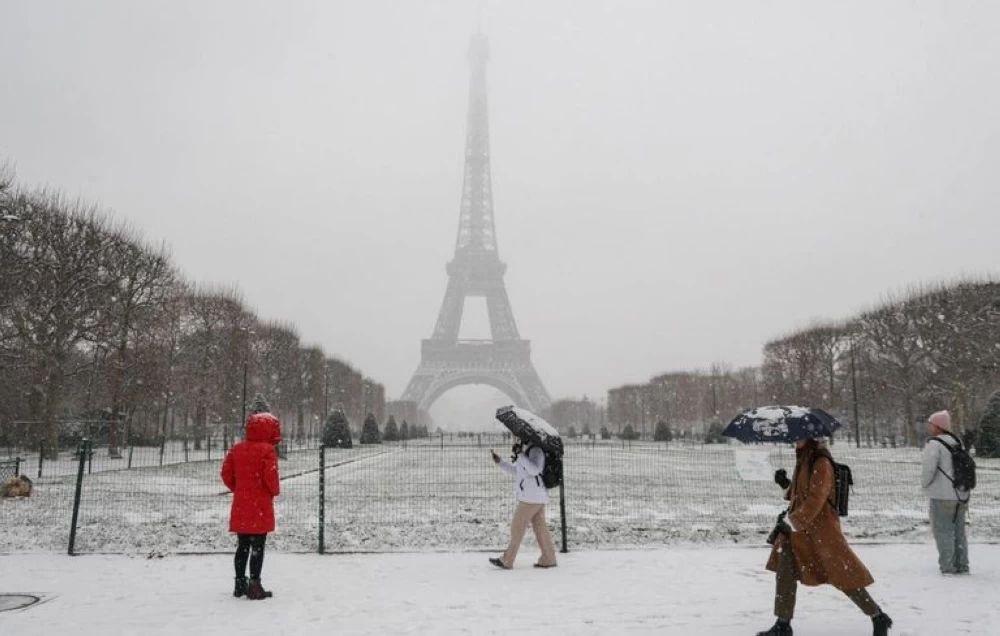
قالت وكالة الطاقة الدولية في تقرير اليوم الثلاثاء: «إن أوروبا تشهد دخول موسم التدفئة الشتوي بأدنى مستويات لمخزونات الغاز الطبيعي منذ 13 عامًا، ما يؤدي إلى استمرار شح الإمدادات في أسواق الغاز العالمية حتى عام 2027، ويزيد من اعتماد المنطقة على إمدادات الغاز الطبيعي المسال لتلبية ذروة الطلب الموسمي».
وتوقع التقرير أن ينخفض المعروض العالمي من الغاز الطبيعي المسال بنسبة 3%، أي ما يعادل نحو 20 مليار متر مكعب، في عام 2026، وأن يتراجع الطلب العالمي بما يقارب 65 مليار متر مكعب، وانخفاض استهلاك الغاز في القطاع الصناعي في أوروبا، والتحول من استخدام الغاز إلى الفحم في قطاع توليد الطاقة.
وأوضح أن التوقف الفعلي لتدفقات الغاز الطبيعي المسال مروره عبر مضيق هرمز، وهو ما أدى إلى انخفاض شحنات الغاز من قطر والإمارات بأكثر من 60 مليار متر مكعب في الفترة ما بين مارس وأكتوبر من هذا العام.
ولفت التقرير إلى أن انخفاض مستويات تخزين الغاز في أوروبا، ومحدودية خيارات التخزين في الدول المستوردة للغاز الطبيعي المسال في آسيا وأمريكا الجنوبية، قد يؤدي إلى اشتداد المنافسة على شحنات الغاز الطبيعي المسال خلال الأشهر المقبلة، ما يفرض ضغوطًا تصاعدية على الأسعار الفورية، لا سيما في فترات ذروة الطلب.
The International Energy Agency said in a report today, Tuesday: "Europe is entering the winter heating season with the lowest levels of natural gas stocks in 13 years, which will lead to continued supply shortages in global gas markets until 2027, and increases the region's reliance on liquefied natural gas supplies to meet peak seasonal demand."
The report predicted that global liquefied natural gas supply would decrease by 3%, equivalent to about 20 billion cubic meters, in 2026, and that global demand would decline by nearly 65 billion cubic meters, along with a reduction in gas consumption in the industrial sector in Europe, and a shift from using gas to coal in the power generation sector.
It clarified that the actual halt of liquefied natural gas flows passing through the Strait of Hormuz has led to a decrease in gas shipments from Qatar and the UAE by more than 60 billion cubic meters between March and October of this year.
The report noted that the decline in gas storage levels in Europe, along with limited storage options in liquefied natural gas importing countries in Asia and South America, could lead to intensified competition for liquefied natural gas shipments in the coming months, putting upward pressure on spot prices, especially during peak demand periods.