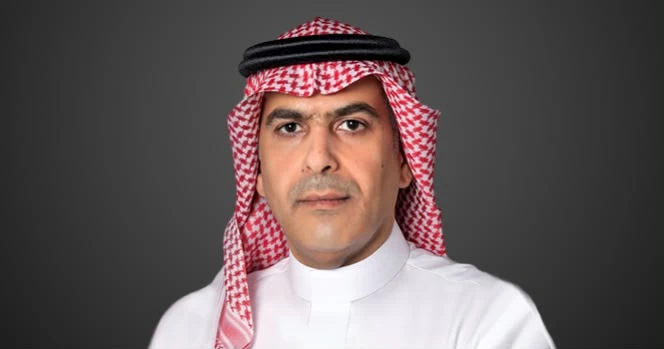
«ساما»: مخاطر الذكاء الاصطناعي والأصول الرقمية تتطلب تعزيز الرقابة المالية
أكد محافظ البنك المركزي السعودي «ساما» أيمن بن محمد السياري، أهمية تعزيز الرقابة القائمة على المخاطر، ورفع مستوى الاستعداد للتعامل مع الأزمات، والمضي قدماً في تنفيذ خارطة طريق مجموعة العشرين للمدفوعات العابرة للحدود، بما يسهم في الحفاظ على الاستقرار المالي ودعم الابتكار وتعزيز التعاون الدولي.
وأوضح السياري، خلال الاجتماع الثالث لوزراء المالية ومحافظي البنوك المركزية لمجموعة العشرين، الذي عُقد تحت الرئاسة الأمريكية في جلسة «قضايا القطاع المالي» بمملكة تايلند، أن أعمال المجموعة يجب أن تركز على التنفيذ العملي لمخرجاتها المتعلقة بقضايا القطاع المالي، والتعامل مع المخاطر الناشئة العابرة للحدود، مع الحرص على الحوكمة الفعالة في تبني تقنيات الذكاء الاصطناعي، وتعزيز المرونة التشغيلية، والحد من المخاطر المرتبطة بالاعتماد على مزودي الخدمات من طرف ثالث.
وشدد على أهمية مراعاة توصيات مجموعة العشرين للظروف والقدرات المختلفة للدول، خصوصاً الأسواق الناشئة والاقتصادات النامية، مشيراً إلى أن اختلاف الأطر القانونية وهياكل الأسواق والقدرات المؤسسية قد يؤثر في مستوى ووتيرة تنفيذ تلك التوصيات.
وأشار إلى أن تبادل المعلومات بين الدول يسهم في تقييم المخاطر العابرة للحدود المرتبطة بالأصول الرقمية، مع ضرورة مراعاة خيارات كل دولة بشأن تنظيم هذه الأصول والسماح باستخدامها.
ودعا محافظ البنك المركزي السعودي إلى مواصلة الجهود لمكافحة الاحتيال في المدفوعات، من خلال تعزيز التعاون البنّاء بين القطاعين العام والخاص، مشيداً بجهود مجموعة العمل المالي (FATF) في تعزيز التطبيق الفعّال للمعايير الدولية لمكافحة غسل الأموال وتمويل الإرهاب، بما يشمل المعايير المتعلقة بالأصول الرقمية.
ورحب السياري بمخرجات أعمال مجموعة العشرين المتعلقة بقضايا القطاع المالي، التي تمثل أساساً مهماً لدعم الابتكار المسؤول، وتعزيز متانة القطاع المالي، وتطوير التعاون عبر الحدود.
"SAMA": The Risks of Artificial Intelligence and Digital Assets Require Strengthening Financial Oversight
Saudi Central Bank Governor "SAMA" Ayman bin Mohammed Al-Sayari emphasized the importance of enhancing risk-based oversight, increasing readiness to deal with crises, and moving forward with the implementation of the G20 roadmap for cross-border payments, which contributes to maintaining financial stability, supporting innovation, and enhancing international cooperation.
Al-Sayari clarified, during the third meeting of the G20 finance ministers and central bank governors, held under the U.S. presidency in the session on "Financial Sector Issues" in the Kingdom of Thailand, that the group's work should focus on the practical implementation of its outputs related to financial sector issues and addressing emerging cross-border risks, while ensuring effective governance in adopting artificial intelligence technologies, enhancing operational resilience, and mitigating risks associated with reliance on third-party service providers.
He stressed the importance of considering the G20 recommendations in light of the different circumstances and capacities of countries, especially emerging markets and developing economies, noting that differences in legal frameworks, market structures, and institutional capacities may affect the level and pace of implementing those recommendations.
He pointed out that the exchange of information between countries contributes to assessing cross-border risks associated with digital assets, while taking into account each country's options regarding the regulation of these assets and allowing their use.
The Saudi Central Bank Governor called for continued efforts to combat payment fraud by enhancing constructive cooperation between the public and private sectors, praising the efforts of the Financial Action Task Force (FATF) in promoting the effective implementation of international standards for combating money laundering and terrorist financing, including standards related to digital assets.
Al-Sayari welcomed the outputs of the G20's work related to financial sector issues, which represent an important foundation for supporting responsible innovation, enhancing the resilience of the financial sector, and developing cross-border cooperation.