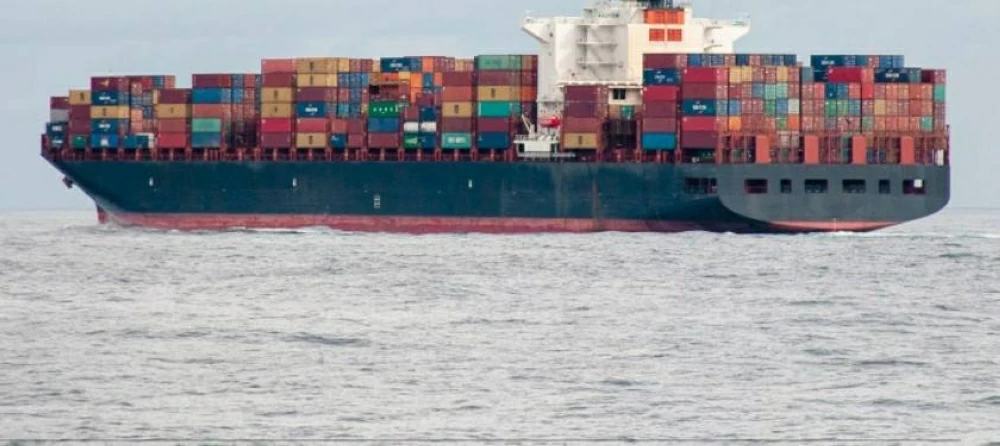
دفعت أزمة مضيق هرمز المستمرة منذ أشهر أسهم الشحن البحري إلى صدارة الرهانات الرابحة في الأسواق خلال 2026، لترتفع إلى أعلى مستوياتها منذ أكثر من عقد مع استفادة القطاع من الاضطرابات التي أربكت أحد أهم ممرات تجارة النفط في العالم. وذلك بحسب ما أظهرت بيانات «لويدز ليست إنتليجنس»، ونشره موقع «العربية.نت».
مكاسب 5 أضعاف
وبحسب البيانات، فإن سلة تضم 35 سهماً لشركات شحن مدرجة في الولايات المتحدة وأوروبا صعدت بنحو 68% منذ بداية العام، متجاوزة بأكثر من خمسة أضعاف مكاسب مؤشر «إس آند بي 500»، فيما ارتفعت بنسبة 82% خلال الاثني عشر شهراً الماضية. وقادت أسهم ناقلات النفط المكاسب بارتفاع بلغ 120% منذ بداية العام، تلتها شركات ناقلات السيارات والغاز والشحن الجاف.
تقلبات كبيرة
وأوضح مدراء شركات شحن أن قطاع الشحن يوفر وسيلة تحوط ضد الاضطرابات الجيوسياسية، مشيرين إلى أن أسواق النقل البحري استفادت سابقاً من تقلبات كبيرة شملت جائحة كورونا وهجمات الحوثيين في البحر الأحمر والحرب الروسية الأوكرانية. وأفادوا أن إطالة مسافات الرحلات البحرية رفعت ما يُعرف بمؤشر «طن-ميل»؛ ما عزز الطلب على ناقلات النفط والكيماويات وسفن الشحن الجاف وناقلات الغاز.
وذكروا أن انتهاء الصراع الإيراني لا يعني بالضرورة عودة أوضاع التجارة إلى ما كانت عليه قبل الحرب. ونوهوا إلى أن الاقتصادات التي وجدت مورّدين بديلين تميل عادة إلى تنويع مصادر الإمدادات بدلاً من العودة إلى نماذجها السابقة؛ بهدف تقليص مخاطر الاضطرابات مستقبلاً.
The ongoing crisis in the Strait of Hormuz has pushed shipping stocks to the forefront of winning bets in the markets during 2026, rising to their highest levels in over a decade as the sector benefits from the disruptions that have unsettled one of the world's most important oil trade routes. This is according to data from "Lloyd's List Intelligence," published by "Al Arabiya.net."
Fivefold Gains
According to the data, a basket of 35 shipping stocks listed in the United States and Europe has surged by about 68% since the beginning of the year, exceeding the gains of the "S&P 500" index by more than five times, while rising by 82% over the past twelve months. Oil tanker stocks led the gains with an increase of 120% since the beginning of the year, followed by companies involved in car, gas, and dry bulk shipping.
Significant Volatility
Shipping company managers explained that the shipping sector provides a hedge against geopolitical disruptions, noting that maritime transport markets have previously benefited from significant volatility, including the COVID-19 pandemic, Houthi attacks in the Red Sea, and the Russia-Ukraine war. They reported that the elongation of shipping routes has raised what is known as the "ton-mile" index; enhancing the demand for oil, chemical, dry bulk carriers, and gas tankers.
They mentioned that the end of the Iranian conflict does not necessarily mean a return to trade conditions as they were before the war. They pointed out that economies that have found alternative suppliers tend to diversify their supply sources instead of reverting to their previous models; aiming to reduce the risks of future disruptions.