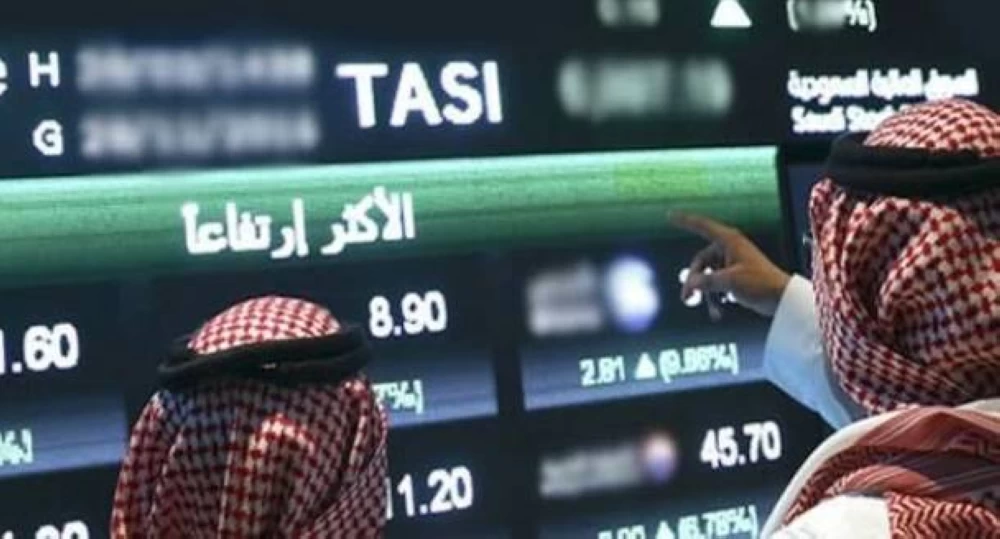
ارتفعت القيمة السوقية للأسهم المدرجة في السوق المالية السعودية بنحو 25 مليار ريال خلال الأسبوع، لتصل إلى 9.590 تريليون ريال، مقارنة بـ9.566 تريليون ريال في الأسبوع السابق، بزيادة نسبتها نحو 0.26 %.
وجاءت المكاسب وسط أداء متباين للأسهم، إذ ارتفعت أسهم 218 شركة، مقابل تراجع أسهم 44 شركة، فيما حافظت 6 شركات على مستوياتها دون تغيير.
وتصدّرت عناية قائمة الأسهم الأكثر ارتفاعًا خلال الأسبوع، بمكاسب بلغت 22.68 %، تلتها الفخارية بارتفاع 21.54 %، ثم الخليجية العامة بنسبة 11.08 %.
وسجل سهم عزم ارتفاعًا قدره 10.91 %، يليه أنابيب السعودية بـ10.68 %، ثم الإعادة السعودية بـ10.53 %، فيما ارتفع سهم متكاملة بنسبة 10.41%، ومجموعة تداول السعودية بنسبة 10.14 %.
وعلى مستوى أداء المؤشر، أنهى مؤشر السوق الرئيسية «تاسي» تعاملات (الخميس) على تراجع بنسبة 0.20 %، فاقدًا 22 نقطة ليغلق عند مستوى 11,238 نقطة، فيما بلغت قيمة التداولات الإجمالية نحو 5.1 مليار ريال. وتراوح المؤشر خلال الجلسة بين 11,236 نقطة كأدنى مستوى و11,294 نقطة كأعلى مستوى.
ورغم تراجع المؤشر في الجلسة الأخيرة، عكست حركة الأسهم خلال الأسبوع اتساعًا في نطاق المكاسب، مع تسجيل 218 سهمًا ارتفاعات سعرية، بينها 8 أسهم تجاوزت مكاسبها 10 %.
وفيما يختص بالتداولات اليومية، قفز سهم نسيج بنسبة 9.98 % ليصل إلى 17.86 ريال، وذلك تزامناً مع إعلان الشركة عن موافقة الجمعية العامة غير العادية على زيادة رأس مالها، وإعلان تداول السعودية عن احتساب نسبة التذبذب للسهم على أساس سعر 16.24 ريال.
كما ارتفع سهم عناية بنسبة 5.55 %، وسهم نايس ون بنسبة 5.40 %، وتكافل الراجحي بنسبة 5.05 %.
أما الأسهم الأكثر انخفاضاً، فقد تصدرها سهم الكثيري بتراجع قدره 3.94 %، تلاه سهم أسيج بنسبة 3.77%، ثم كيمانول بنسبة 2.81 %.
كما تراجع سهم المعمر لأنظمة المعلومات (ام آي اس) بنسبة 2.38 % ليغلق عند 304 ريالات، رغم إعلان الشركة عن حصولها على تسهيلات ائتمانية متوافقة مع أحكام الشريعة الإسلامية.
وبذلك أنهى السوق الأسبوع على ارتفاع في القيمة السوقية، في وقت شهدت فيه غالبية الأسهم تحركات إيجابية، بينما بقيت بعض الأسهم تحت ضغط التراجعات، وهو ما أدى إلى تفاوت واضح في أداء مكوّنات السوق خلال تعاملات الأسبوع.
The market capitalization of listed shares in the Saudi financial market increased by about 25 billion riyals during the week, reaching 9.590 trillion riyals, compared to 9.566 trillion riyals in the previous week, with an increase of about 0.26%.
The gains came amid a mixed performance of stocks, as shares of 218 companies rose, while shares of 44 companies declined, and 6 companies maintained their levels unchanged.
Leading the list of the most rising stocks during the week was "Inaya," with gains of 22.68%, followed by "Al-Fakhariah" with an increase of 21.54%, and then "Al-Khalijiah Al-Ammah" with a rate of 11.08%.
The stock of "Izaam" recorded an increase of 10.91%, followed by "Saudi Pipes" at 10.68%, then "Saudi Re" at 10.53%, while "Mutakamilah" rose by 10.41%, and "Tadawul Group" by 10.14%.
In terms of index performance, the main market index "TASI" ended Thursday's trading down by 0.20%, losing 22 points to close at 11,238 points, while the total trading value reached about 5.1 billion riyals. The index fluctuated during the session between a low of 11,236 points and a high of 11,294 points.
Despite the index's decline in the last session, the movement of stocks during the week reflected an expansion in the range of gains, with 218 stocks recording price increases, including 8 stocks that exceeded gains of 10%.
Regarding daily trading, the stock of "Naseej" jumped by 9.98% to reach 17.86 riyals, coinciding with the company's announcement of the extraordinary general assembly's approval to increase its capital, and the announcement from Tadawul Saudi Arabia about calculating the stock's volatility based on a price of 16.24 riyals.
The stock of "Inaya" also rose by 5.55%, "Nice One" by 5.40%, and "Takaful Al-Rajhi" by 5.05%.
As for the stocks with the largest declines, "Al-Kuthari" topped the list with a decrease of 3.94%, followed by "Asij" with 3.77%, and then "Kimanol" with 2.81%.
The stock of "Al-Muammar for Information Systems (MIS)" also declined by 2.38% to close at 304 riyals, despite the company's announcement of obtaining credit facilities compliant with Islamic Sharia provisions.
Thus, the market ended the week with an increase in market capitalization, during a time when most stocks experienced positive movements, while some stocks remained under pressure from declines, leading to a noticeable disparity in the performance of market components during the week’s trading.