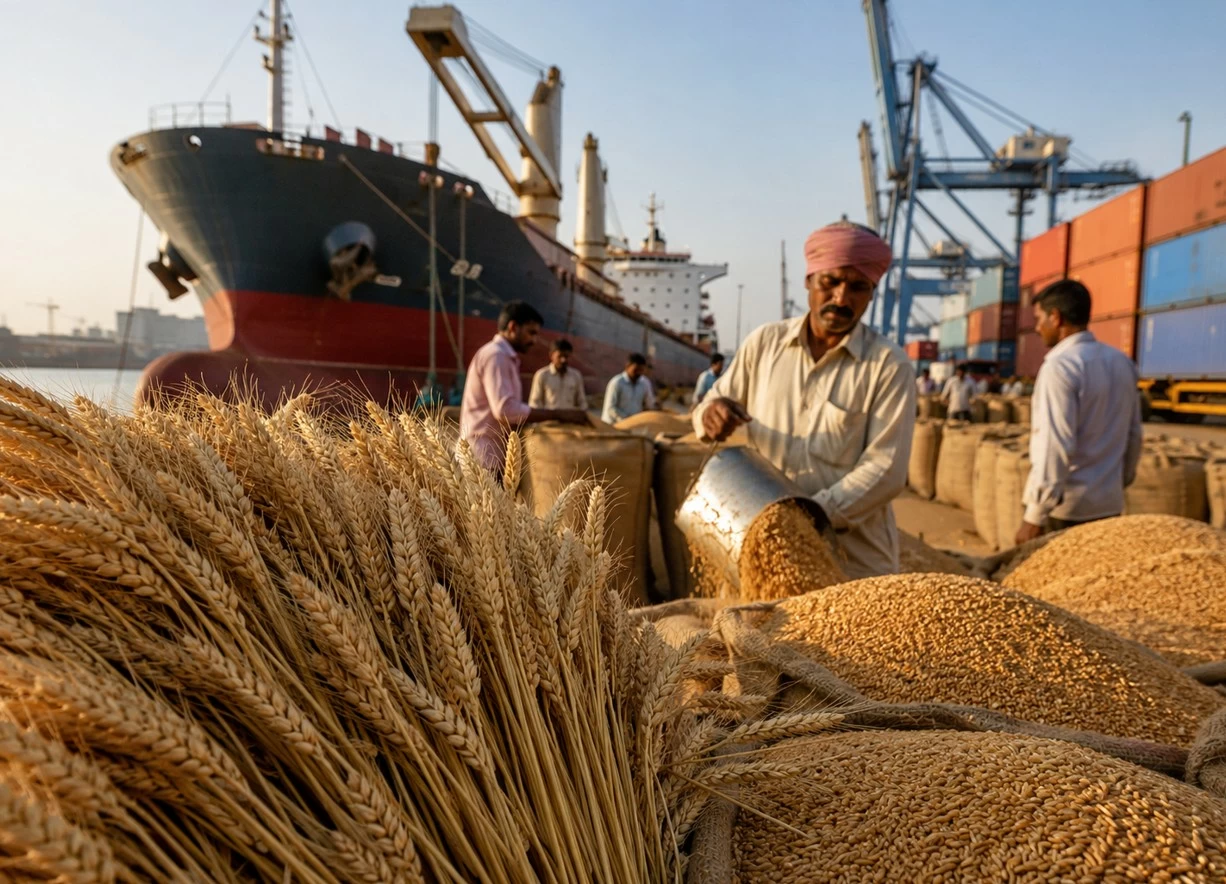
أعلنت الهند رفع جميع القيود المفروضة على صادرات القمح، بعد 4 سنوات من تطبيقها، في ظل إنتاج قياسي يُقدّر بنحو 120 مليون طن، وارتفاع المخزونات الاحتياطية، إلى جانب تراجع الأسعار المحلية.
وعدّلت المديرية العامة للتجارة الخارجية سياسة تصدير القمح من «محظور» إلى «مسموح»، ليشمل القرار أنواعًا مختلفة من القمح، من بينها القمح القاسي، إضافة إلى الدقيق والسميد ودقيق القمح الكامل، وفقًا لما أوردته صحيفة «إنديا توداي» الهندية.
وقال سكرتير وزارة الغذاء والتوزيع العام الهندية سانجيف تشوبرا إن قرار رفع القيود يستهدف تحسين عائدات مزارعي القمح، مؤكدًا توافر كميات كافية لتلبية الطلب المحلي والحد من ارتفاع أسعار المستهلك.
وكانت الهند، ثاني أكبر منتج للقمح في العالم، قد فرضت قيودًا واسعة على صادراته في مايو 2022، في إطار إجراءات هدفت إلى ضبط الأسعار المحلية وحماية الأمن الغذائي.
India announced the lifting of all restrictions on wheat exports, after 4 years of implementation, amid a record production estimated at around 120 million tons, and an increase in reserve stocks, alongside a decline in local prices.
The Directorate General of Foreign Trade modified the wheat export policy from "prohibited" to "allowed," with the decision covering various types of wheat, including durum wheat, as well as flour, semolina, and whole wheat flour, according to the Indian newspaper "India Today."
Indian Food and Public Distribution Secretary Sanjeev Chopra stated that the decision to lift the restrictions aims to improve the earnings of wheat farmers, emphasizing the availability of sufficient quantities to meet local demand and curb rising consumer prices.
India, the second-largest wheat producer in the world, had imposed extensive restrictions on its exports in May 2022, as part of measures aimed at controlling local prices and protecting food security.