قفزت التغييرات في هيئة السوق المالية السعودية بسقف التوقعات بإجراء إصلاحات جديدة قد تجذب ما يصل إلى 7.4 مليار دولار إلى سوق الأسهم السعودية، عبر تخفيف أو إلغاء قيود ملكية الأجانب، في خطوة يراها المستثمرون من أبرز المحفزات المحتملة للسيولة خلال الفترة القادمة؛ الأمر الذي عزز رهانات الأوساط المالية على توجه أكثر انفتاحاً للسوق، وفقاً لما ذكرته «بلومبرغ»، واطلعت عليه «العربية Business».
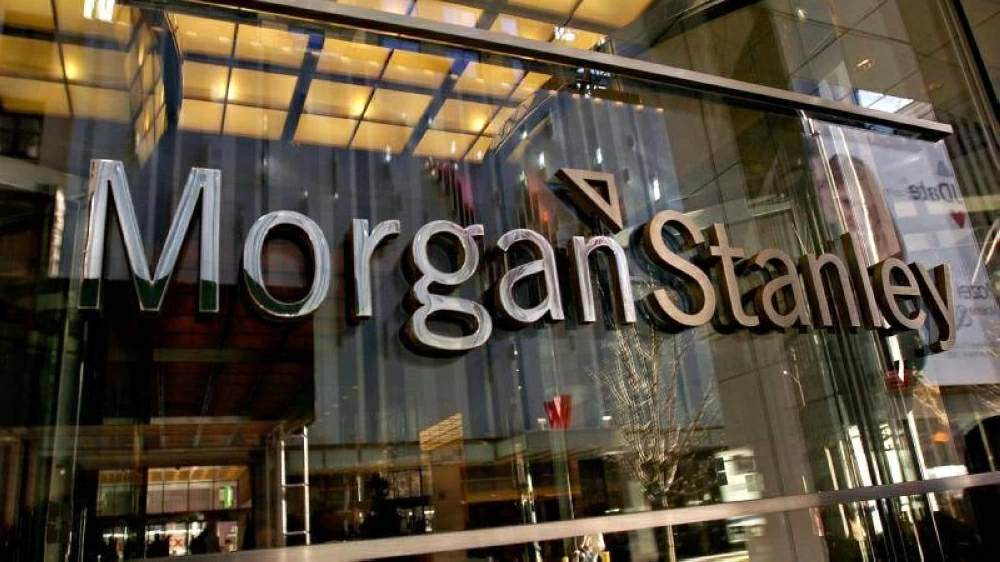
وقدرت «مورغان ستانلي» أن رفع الحد الأقصى لملكية الأجانب في الشركات السعودية من 49% المعمول بها حالياً، إلى 75% قد يؤدي إلى تدفقات استثمارية خاملة «Passive Inflows» بنحو 4.3 مليار دولار، فيما قد يؤدي الإلغاء الكامل للسقف الحالي إلى استقطاب نحو 7.4 مليار دولار للأسهم السعودية.
استقطاب رؤوس المال الأجنبية
وأشارت المؤسسة المالية إلى أن السعودية تعد آخر سوق خليجية رئيسية لا تزال تفرض سقفاً عاماً لملكية المستثمرين الأجانب عند 49%، ما يجعل أي تعديل محتمل عاملاً مؤثراً على أوزان الأسهم السعودية ضمن المؤشرات العالمية واستقطاب رؤوس الأموال الأجنبية.
ويأتي التركيز على قواعد الملكية الأجنبية في وقت تسعى فيه المملكة إلى تعميق أسواقها المالية وزيادة السيولة وجذب مزيد من الاستثمارات الخارجية، تماشياً مع مستهدفات رؤية السعودية 2030 الرامية إلى تنويع الاقتصاد وتقليل الاعتماد على النفط.
The changes in the Saudi Capital Market Authority have exceeded expectations with the potential implementation of new reforms that could attract up to $7.4 billion to the Saudi stock market by easing or eliminating foreign ownership restrictions. This move is seen by investors as one of the most significant potential liquidity drivers in the coming period; a development that has strengthened financial circles' bets on a more open approach to the market, according to what was reported by "Bloomberg" and reviewed by "Al Arabiya Business."
“Morgan Stanley” estimated that raising the maximum foreign ownership limit in Saudi companies from the current 49% to 75% could lead to passive inflows of around $4.3 billion, while a complete removal of the current cap could attract approximately $7.4 billion to Saudi stocks.
Attracting Foreign Capital
The financial institution noted that Saudi Arabia is the last major Gulf market still imposing a general cap on foreign investor ownership at 49%, making any potential adjustment a significant factor affecting the weights of Saudi stocks within global indices and attracting foreign capital.
The focus on foreign ownership rules comes at a time when the Kingdom is seeking to deepen its financial markets, increase liquidity, and attract more foreign investments, in line with the objectives of Saudi Vision 2030 aimed at diversifying the economy and reducing dependence on oil.