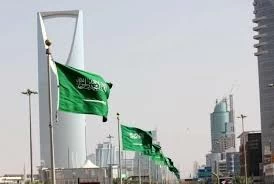
أكد المجلس التنفيذي لصندوق النقد الدولي، أن السعودية تتصدر عالميا في تبني الذكاء الاصطناعي عبر عدة قطاعات، لافتاً إلى أن هذا التبنّي سيسهم في رفع معدل نمو الناتج المحلي الإجمالي للمملكة بما يصل إلى 6% خلال المرحلة القادمة.
وأوضح الصندوق، خلال إصداره تقرير مشاورات المادة الرابعة 2026 مع المملكة، أن رؤية السعودية 2030 قادت عقدا كاملا من التحول الاقتصادي.
وأوضح التقرير أن إستراتيجية صندوق الاستثمارات العامة (PIF) الجديدة للفترة 2026-2030 تعزز دور القطاع الخاص في الاقتصاد.
متانة الأساسيات الاقتصادية الكلية
وأشار المديرون التنفيذيون للصندوق بقولهم: «أدت الحرب في الشرق الأوسط وما نتج عنها من توقف حركة الشحن بالكامل تقريبا عبر مضيق هرمز إلى اضطراب النشاط، وانخفاض التجارة، بما في ذلك صادرات النفط، وتراجع مستويات الثقة، ورغم ذلك، أثبت الاقتصاد السعودي قدرته على التكيف والصمود بفضل متانة الأساسيات الاقتصادية الكلية وتنوع البنية التحتية النفطية واللوجستية للمملكة، وقد ساهم تحويل مسار النفط عبر خط أنابيب شرق–غرب إلى موانئ البحر الأحمر في الحد من تراجع شحنات النفط، في حين تجاوز ارتفاع أسعار النفط تأثير انخفاض الكميات، مما ساهم في تحقيق إيرادات نفطية استثنائية».
تقدم بتنفيذ المشروعات الرأسمالية
وتوقع المديرون تعافي الاقتصاد بمجرد عودة حركة الملاحة البحرية عبر المضيق إلى أوضاعها الطبيعية تدريجيا، مع مواصلة الطلب المحلي دعم النشاط الاقتصادي، بفضل استقرار مستويات التوظيف، وقوة الإنفاق الحكومي، والتقدم المطرد في تنفيذ المشروعات الرأسمالية.
ومن المتوقع أن تؤدي زيادة الإيرادات النفطية إلى خفض عجزي الحساب الجاري والمالية العامة خلال العام الحالي. وتشمل دعائم النمو على المدى المتوسط قوة الاستهلاك والاستثمار، بما في ذلك المشروعات والفعاليات الدولية الكبرى بقيادة الحكومة، إلى جانب استمرار الإصلاحات الهيكلية في إطار رؤية السعودية 2030.
وفرة الاحتياطيات الوقائية المالية
رحب المديرون التنفيذيون بقدرة الاقتصاد السعودي على الصمود في مواجهة الحرب في الشرق الأوسط وما صاحبها من اضطرابات في حركة الشحن والتجارة وصادرات النفط. وعزوا صلابة الاقتصاد إلى الجهود المبذولة على مستوى السياسات في إطار رؤية السعودية 2030، والتي تنعكس في قوة أساسيات الاقتصاد الكلي، بما في ذلك وفرة الاحتياطيات الوقائية المالية والخارجية، وتنوع البنية التحتية للطاقة والخدمات اللوجستية، مثل خط أنابيب شرق-غرب، وفعالية إدارة الأزمات.
وأشاد المديرون بجهود الحكومة في دعم إعادة توجيه التدفقات التجارية، مما ساهم في تعزيز صمود اقتصادات المنطقة وأسواق الطاقة العالمية. كذلك رحب المديرون بالتقدم المطرد في تنفيذ الإصلاحات، والذي ساهم في تعزيز المؤسسات، ودعم الأداء الاقتصادي، والحفاظ على الاستقرار الاقتصادي الكلي والمالي.
ترتيب أولويات الإنفاق
واتفق المديرون على أنه من المناسب إجراء خفض معتدل في العجز الأولي غير النفطي في عام 2026، مع استيعاب الاستجابة المالية للصدمة من خلال إعادة ترتيب أولويات الإنفاق. وأشادوا بحصافة السياسات التي انتهجتها الحكومة، واعتبروا أن التدابير غير المالية المتخذة حتى الآن ملاءمة.
وبوجه عام، اعتبر المديرون أن المملكة العربية السعودية تمتلك حيزا ماليا كافيا لتيسير موقف المالية العامة وحماية الاقتصاد حال تفاقم الصدمة.
ورحب المديرون بالتزام الحكومة بتحقيق الاستدامة المالية على المدى المتوسط، مشيرين إلى أنه مع عودة الأوضاع إلى طبيعتها، سيتعين تنفيذ خطة طموحة للضبط المالي لضمان كفاية المدخرات لصالح الأجيال القادمة. وشددوا على أهمية تعبئة الإيرادات غير النفطية، وترشيد الإنفاق، وتحسين إدارة الاستثمار العام، وإصلاح دعم الطاقة، ومواصلة تعزيز المؤسسات والأطر المالية.
تعزيز الجاهزية لمواجهة الأزمات
واتفق المديرون على أن ربط سعر الصرف بالدولار الأمريكي لا يزال ملائما. وأقروا بحصافة إدارة السيولة لدى البنك المركزي السعودي. ورحبوا بالاستقرار المالي في المملكة، مع الإشادة بقوة احتياطيات رأس المال والسيولة في القطاع المصرفي، والتقدم المحرز في تنفيذ توصيات برنامج تقييم القطاع المالي لعام 2024، بما في ذلك تفعيل احتياطي رأس المال لمواجهة التقلبات الدورية، وتعزيز الجاهزية لمواجهة الأزمات. وشجعوا على مواصلة الجهود الرامية إلى تعزيز الرقابة على أوضاع الائتمان، واليقظة إزاء مخاطر التمويل الأجنبي، والروابط بين البنوك والجهات السيادية، والانكشافات المرتبطة بالمشروعات الكبرى.
وأشاد المديرون بالتقدم الكبير المحرز في إطار رؤية السعودية 2030 التي انطلقت منذ عشر سنوات وساهمت في دعم الاقتصاد غير النفطي، وتعزيز دور القطاع الخاص، ودفع جهود التنويع الاقتصادي، وتحقيق مكاسب ملموسة في نتائج سوق العمل، بما في ذلك زيادة مشاركة المرأة في القوى العاملة. واعتبر المديرون أن رؤية السعودية 2030 تتيح دروسا قيمة للبلدان الأخرى الساعية إلى تنفيذ إصلاحات طموحة، وكذلك للصندوق في إطار تعاونه مع البلدان الأعضاء.
وشدد المديرون على أهمية الحفاظ على زخم الإصلاحات. ورحبوا بتجدد التركيز على تعزيز صلابة الاقتصاد، بما في ذلك من خلال الاستثمار في البنية التحتية للخدمات اللوجستية.
دور قيادي للمملكة في «العشرين»
وأشاد المديرون بدور المملكة القيادي في المحافل متعددة الأطراف، بما في ذلك مجموعة العشرين ودور رئيس اللجنة الدولية للشؤون النقدية والمالية، وأعربوا عن تطلعهم إلى استمرار مساهماتها في مواجهة التحديات العالمية.
وشجعوا على مواصلة الجهود الرامية إلى تعميق التنويع الاقتصادي، وتحسين بيئة الأعمال، وتطوير أسواق رأس المال، وتعزيز رأس المال البشري ونتائج سوق العمل، وتقوية الحوكمة والشفافية، والمضي قدما في التحول الرقمي. ورحبوا كذلك بالتوجه الجديد لإستراتيجية صندوق الاستثمارات العامة نحو تخصيص رأس المال على أسس أكثر انتقائية وتعزيز دور القطاع الخاص لدعم الإنتاجية.
وأكد المديرون على أهمية تعميق التكامل بين دول مجلس التعاون الخليجي في تعزيز قدرة المنطقة على الصمود.
The Executive Board of the International Monetary Fund confirmed that Saudi Arabia is a global leader in adopting artificial intelligence across several sectors.
The Fund explained, during the release of its Article IV Consultation report for 2026 with the Kingdom, that Saudi Vision 2030 has led to a complete decade of economic transformation.
The report indicated that the new strategy of the Public Investment Fund (PIF) for the period 2026-2030 enhances the role of the private sector in the economy.
Robustness of Macroeconomic Fundamentals
The Fund's executive directors stated: “The war in the Middle East and the resulting near-total halt in shipping through the Strait of Hormuz have disrupted activity, reduced trade, including oil exports, and decreased levels of confidence. Nevertheless, the Saudi economy has proven its ability to adapt and withstand challenges thanks to the robustness of macroeconomic fundamentals and the diversity of the Kingdom's oil and logistics infrastructure. The diversion of oil through the East-West pipeline to Red Sea ports has helped mitigate the decline in oil shipments, while the rise in oil prices has outweighed the impact of reduced quantities, contributing to exceptional oil revenues.”
Progress in Capital Project Implementation
The directors anticipated an economic recovery as maritime navigation through the Strait gradually returns to normal, with continued domestic demand supporting economic activity, thanks to stable employment levels, strong government spending, and steady progress in implementing capital projects.
It is expected that the increase in oil revenues will lead to a reduction in the current account and general government deficits during the current year. The pillars of medium-term growth include strong consumption and investment, including major projects and international events led by the government, alongside ongoing structural reforms under Saudi Vision 2030.
Abundance of Financial Precautionary Reserves
The executive directors welcomed the Saudi economy's ability to withstand the war in the Middle East and the associated disruptions in shipping, trade, and oil exports. They attributed the economy's resilience to the policy efforts made under Saudi Vision 2030, which are reflected in the strength of macroeconomic fundamentals, including the abundance of precautionary financial and foreign reserves, and the diversity of energy and logistics infrastructure, such as the East-West pipeline, and effective crisis management.
The directors praised the government's efforts to support the redirection of trade flows, which contributed to strengthening the resilience of regional economies and global energy markets. They also welcomed the steady progress in implementing reforms, which has helped enhance institutions, support economic performance, and maintain macroeconomic and financial stability.
Prioritizing Spending
The directors agreed that it is appropriate to implement a moderate reduction in the non-oil primary deficit in 2026, while absorbing the financial response to the shock by rearranging spending priorities. They commended the prudence of the policies adopted by the government and considered that the non-financial measures taken so far are appropriate.
Overall, the directors considered that the Kingdom of Saudi Arabia has sufficient fiscal space to facilitate the public finance position and protect the economy in the event of a worsening shock.
The directors welcomed the government's commitment to achieving fiscal sustainability in the medium term, noting that as conditions return to normal, an ambitious fiscal adjustment plan will need to be implemented to ensure adequate savings for future generations. They emphasized the importance of mobilizing non-oil revenues, rationalizing spending, improving public investment management, reforming energy subsidies, and continuing to strengthen institutions and financial frameworks.
Enhancing Crisis Preparedness
The directors agreed that the peg of the exchange rate to the US dollar remains appropriate. They acknowledged the prudence of liquidity management at the Saudi Central Bank. They welcomed the financial stability in the Kingdom, praising the strength of capital and liquidity reserves in the banking sector, and the progress made in implementing the recommendations of the 2024 Financial Sector Assessment Program, including activating capital reserves to address cyclical fluctuations and enhancing crisis preparedness. They encouraged continued efforts to strengthen oversight of credit conditions, vigilance regarding foreign financing risks, and connections between banks and sovereign entities, as well as exposures related to major projects.
The directors praised the significant progress made under Saudi Vision 2030, which was launched ten years ago and has contributed to supporting the non-oil economy, enhancing the role of the private sector, advancing economic diversification efforts, and achieving tangible gains in labor market outcomes, including increased female participation in the workforce. The directors considered that Saudi Vision 2030 provides valuable lessons for other countries seeking to implement ambitious reforms, as well as for the Fund in its cooperation with member countries.
The directors emphasized the importance of maintaining the momentum of reforms. They welcomed the renewed focus on enhancing the resilience of the economy, including through investment in logistics infrastructure.
Saudi Arabia's Leadership Role in the G20
The directors praised the Kingdom's leadership role in multilateral forums, including the G20 and its role as chair of the International Monetary and Financial Committee, and expressed their hope for continued contributions in addressing global challenges.
They encouraged ongoing efforts to deepen economic diversification, improve the business environment, develop capital markets, enhance human capital and labor market outcomes, strengthen governance and transparency, and advance digital transformation. They also welcomed the new direction of the Public Investment Fund's strategy towards more selective capital allocation and enhancing the role of the private sector to support productivity.
The directors emphasized the importance of deepening integration among Gulf Cooperation Council countries to enhance the region's resilience.