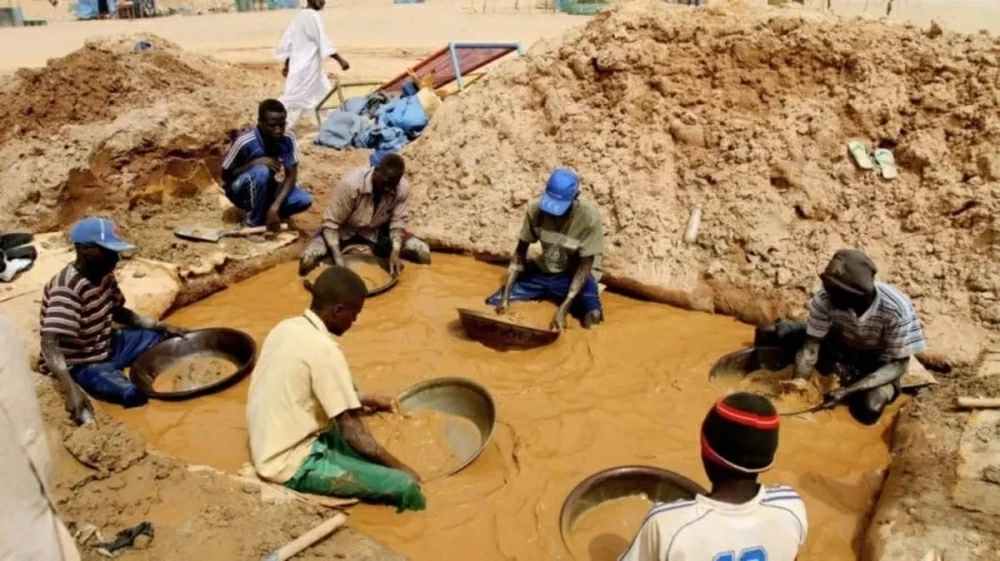
تراجعت بوضوح عائدات تصدير الذهب في السودان عبر القنوات الرسمية، بعدما بلغت قيمة الصادرات المسجلة حتى سبتمبر 2025 نحو 909.5 مليون دولار فقط، مقارنة بأكثر من ملياري دولار خلال عام 2021، وذلك بحسب البيانات الصادرة عن وزارة المعادن وبنك السودان المركزي.
عائدات محدودة
قال وزير المالية السوداني جبريل إبراهيم، خلال مشاركته في ملتقى التعدين بالخرطوم: «إن إنتاج الذهب في السودان يصل إلى نحو 199 طناً سنوياً بقيمة تتجاوز 26 مليار دولار». وأوضح أن ما يدخل إلى خزينة الدولة من هذه العائدات لا يزال محدوداً مقارنة بحجم الإنتاج الفعلي.
وأوضح إبراهيم أن الحكومة تعمل بالتنسيق مع وزارة المعادن على توسيع نطاق التعدين المنظم وتقليص الاعتماد على التعدين الأهلي وصولاً إلى إنهائه بشكل كامل، مشيراً إلى أن هذا النوع من التعدين تسبب في فقدان كميات كبيرة من المعادن النفيسة، بينها خامات قد تفوق قيمتها الذهب نفسه.
111 طناً مفقودة
أشار الوزير إلى أن حجم الذهب المفقود يقدر بنحو 111 طناً تصل قيمتها إلى أكثر من 18 مليار دولار، في وقت لم تتجاوز فيه الإيرادات التي دخلت الخزينة العامة من إنتاج الذهب خلال عام 2025 نحو 1.8 مليار دولار، وهو أعلى مستوى خلال خمس سنوات، وفق بيانات سودانية.
وأظهرت الأرقام تحولاً كبيراً في وضع قطاع الذهب السوداني خلال السنوات الأخيرة، ففي عام 2020 كانت الدولة تسيطر على نحو 99% من الإنتاج، بعدما جرى تصدير 25.02 طن من إجمالي إنتاج محلي بلغ 25.2 طن، لكن هذه السيطرة تراجعت بصورة حادة بحلول سبتمبر 2025، إذ لم تتجاوز نسبة الصادر الرسمي 22% فقط، بواقع 11.7 طن من إجمالي إنتاج وصل إلى 53.5 طن.
أزمة التهريب
وفي ظل هذا التراجع، تصاعدت أزمة تهريب الذهب التي أصبحت واحدة من أكبر التحديات أمام الاقتصاد السوداني، إذ تشير تقارير رسمية إلى أن نحو 90% من إنتاج الذهب يقع تحت سيطرة شبكات التهريب، ما يعكس ضعف أدوات الرقابة وصعوبة ضبط حركة المعدن النفيس داخل البلاد وخارجها.
ويمتلك السودان واحدة من أكبر ثروات الذهب في المنطقة، إلا أن هذه الثروة التي تقدر بمليارات الدولارات لا تزال بعيدة عن تحقيق العائد الاقتصادي المتوقع، في ظل اتساع فجوة الإنتاج والصادرات الرسمية، وتصاعد المخاوف من سيطرة شبكات التهريب على جانب كبير من المعدن النفيس الذي أصبح مرتبطاً بتداعيات الحرب المستمرة في البلاد.
The revenues from gold exports in Sudan have clearly declined through official channels, with the value of recorded exports reaching only about $909.5 million by September 2025, compared to over $2 billion during 2021, according to data issued by the Ministry of Minerals and the Central Bank of Sudan.
Limited Revenues
Sudanese Finance Minister Jibril Ibrahim stated during his participation in the Mining Forum in Khartoum: "Gold production in Sudan reaches about 199 tons annually, with a value exceeding $26 billion." He explained that what enters the state treasury from these revenues remains limited compared to the actual production volume.
Ibrahim clarified that the government is working in coordination with the Ministry of Minerals to expand the scope of organized mining and reduce reliance on artisanal mining, aiming to eliminate it completely, noting that this type of mining has led to the loss of large quantities of precious minerals, including ores that may exceed the value of gold itself.
111 Tons Missing
The minister indicated that the volume of lost gold is estimated at about 111 tons, valued at more than $18 billion, while the revenues that entered the public treasury from gold production during 2025 did not exceed about $1.8 billion, which is the highest level in five years, according to Sudanese data.
The figures showed a significant shift in the status of the Sudanese gold sector in recent years. In 2020, the state controlled about 99% of production, after exporting 25.02 tons out of a total local production of 25.2 tons. However, this control sharply declined by September 2025, with the official export percentage not exceeding 22%, amounting to 11.7 tons out of a total production that reached 53.5 tons.
Smuggling Crisis
Amid this decline, the gold smuggling crisis has escalated, becoming one of the biggest challenges facing the Sudanese economy, as official reports indicate that about 90% of gold production is under the control of smuggling networks, reflecting weak oversight tools and the difficulty of controlling the movement of the precious metal inside and outside the country.
Sudan possesses one of the largest gold resources in the region; however, this wealth, estimated in billions of dollars, remains far from achieving the expected economic return, amid a widening gap between production and official exports, and growing concerns about the control of smuggling networks over a significant portion of the precious metal, which has become linked to the repercussions of the ongoing war in the country.