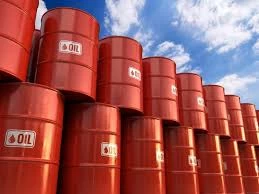
تراجعت أسعار النفط، بنحو 1% اليوم، إذ عمد المستثمرون إلى جني الأرباح وتقييم المخاطر الناجمة عن موجة جديدة من الضربات الأمريكية التي استهدفت منشآت عسكرية إيرانية؛ ما أجج المخاوف من عودة الحرب الشاملة وتعطل الإمدادات عبر مضيق هرمز.
وشنت الولايات المتحدة ضربات على دفاعات ومواقع صواريخ ساحلية إيرانية أمس، بعد فرض الحصار البحري مجدداً على موانئ إيران، في حين هددت طهران بعرقلة المزيد من صادرات الطاقة من المنطقة، قائلة إنها تخوض «حرب بقاء» مع الولايات المتحدة.
أعلى مستوى
وبعد أن ارتفعت الأسعار في بداية التعاملات للجلسة الرابعة على التوالي، تراجعت العقود الآجلة لخام برنت 58 سنتاً، أو 0.68%، إلى 84.37 دولار للبرميل، في حين انخفضت العقود الآجلة لخام غرب تكساس الوسيط الأمريكي 19 سنتاً أو 0.24% إلى 79.41 دولار للبرميل.
وصعد خام برنت بنحو دولار واحد في وقت سابق من الجلسة، فيما ظل الخامان قريبين من أعلى مستوياتهما في شهر.
وقالت كبيرة محللي الأسواق بريانكا ساشديفا:«لا تزال المخاطر الجيوسياسية توفر دعماً قوياً لأسعار النفط، لكن بعد موجة صعود قوية يتبنى المتعاملون نهج الترقب والانتظار.. تحول التركيز من التهديد نفسه إلى ما إذا كان سيؤدي إلى أي تعطيل ملموس لتدفقات النفط، وإلى كيفية رد كل من الولايات المتحدة وإيران خلال الأيام القادمة».
Oil prices fell by about 1% today, as investors took profits and assessed the risks stemming from a new wave of U.S. strikes targeting Iranian military facilities; which heightened fears of a return to full-scale war and disruption of supplies through the Strait of Hormuz.
The United States launched strikes on Iranian coastal missile defenses and sites yesterday, after re-imposing a naval blockade on Iran's ports, while Tehran threatened to disrupt further energy exports from the region, stating that it is engaged in a "war for survival" with the United States.
Highest Level
After prices rose at the beginning of trading for the fourth consecutive session, Brent crude futures fell by 58 cents, or 0.68%, to $84.37 per barrel, while U.S. West Texas Intermediate crude futures dropped by 19 cents, or 0.24%, to $79.41 per barrel.
Brent crude had risen by about one dollar earlier in the session, while both crude types remained close to their highest levels in a month.
Senior market analyst Priyanka Sachdeva stated: "Geopolitical risks continue to provide strong support for oil prices, but after a strong upward wave, traders are adopting a wait-and-see approach... The focus has shifted from the threat itself to whether it will lead to any significant disruption in oil flows, and how both the United States and Iran will respond in the coming days."