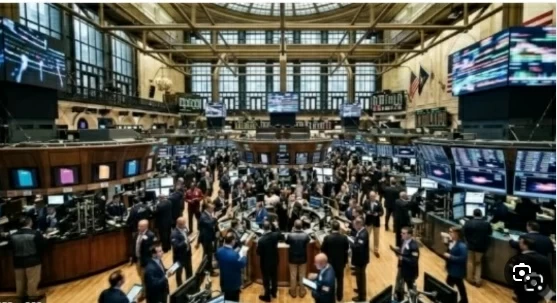
تخلّت الأسواق العالمية عن جزء من مكاسبها القوية التي سجلتها عقب إعلان الهدنة بين الولايات المتحدة وإيران، مع دخول اتفاق وقف إطلاق النار يومه الثاني وظهور مؤشرات مبكرة على توتره. فقد سيطر الحذر على تعاملات المستثمرين في أوروبا وآسيا والولايات المتحدة، وكانت أسهم قطاع السفر والترفيه الأكثر تضرراً، في ظل اتهامات متبادلة بخرق الهدنة، ما أعاد التقلبات إلى الأسواق وأبقى المخاوف بشأن استقرار إمدادات الطاقة العالمية، خصوصاً مع استمرار أهمية مضيق هرمز كممر حيوي لنحو 20% من تجارة النفط العالمية.
تراجع أوروبا
وبدأت الأسهم الأوروبية تعاملات اليوم على تراجع، بعد جلسة صعود قوية في اليوم السابق، مع تقييم المستثمرين لمتانة الهدنة الهشة بين واشنطن وطهران. وانخفض مؤشر ستوكس 600 الأوروبي بنسبة 0.4%، مع تداول معظم البورصات والقطاعات الرئيسية في المنطقة الحمراء.
وتراجع مؤشر فايننشال تايمز 100 (FTSE 100) البريطاني بنسبة 0.1%، بينما انخفض مؤشر كاك 40 (CAC 40) الفرنسي بنسبة 0.5%، وهبط مؤشر داكس (DAX) الألماني بنحو 0.9%. وجاء هذا التراجع بعد أن كان المؤشر الأوروبي قد أنهى جلسة الأربعاء مرتفعاً بنسبة 3.7%، مدفوعاً بالتفاؤل الأولي بإعلان وقف إطلاق النار، وفقاً لتقرير نشرته شبكة «CNBC» الأمريكية، واطلعت عليه «العربية Business».
حساسية التطورات
وكانت أسهم قطاع السفر والترفيه الأكثر تضرراً، إذ فقدت شركتان ألمانيتان نحو 3.5% من قيمتهما، متخلّيتين عن جزء من مكاسبهما القوية التي قاربت 10% في الجلسة السابقة، في إشارة إلى حساسية هذه القطاعات للتطورات الجيوسياسية وتوقعات الطلب على السفر.
وامتدت موجة الحذر إلى أسواق آسيا والمحيط الهادئ، إذ أغلقت معظم المؤشرات على انخفاض مع تقييم المستثمرين لاحتمالات استمرار الهدنة. فقد تراجع مؤشر نيكي 225 الياباني بنسبة 0.73% ليغلق عند 55.895.32 نقطة، بينما انخفض مؤشر توبكس بنسبة 0.90%.
وفي كوريا الجنوبية، هبط مؤشر كوسبي بنسبة 1.61%، وتراجع مؤشر كوسداك للشركات الصغيرة بنسبة 1.27%. كما انخفض مؤشر CSI 300 في الصين القارية بنسبة 0.64%، وتراجع مؤشر هانغ سنغ في هونغ كونغ بنسبة 0.71%. وفي الهند، هبط مؤشر نيفتي 50 بنسبة 0.89%، بينما تراجع مؤشر سينسكس بنسبة 0.96%، وسط تحذيرات من البنك المركزي الهندي بشأن تصاعد المخاطر التضخمية وتأثيرها المحتمل على النمو الاقتصادي.
أداء استثنائي
وفي الولايات المتحدة، تراجعت العقود الآجلة للأسهم بعد المكاسب القوية التي سجلتها المؤشرات الرئيسية في الجلسة السابقة. وانخفضت العقود الآجلة لمؤشري S&P 500 وناسداك 100 بنسبة 0.3% لكل منهما، في حين تراجعت العقود المرتبطة بمؤشر داو جونز الصناعي بنحو 146 نقطة.
وكانت الأسواق الأمريكية قد شهدت أداءً استثنائياً أمس، إذ ارتفع مؤشر S&P 500 بنسبة 2.51%، وصعد ناسداك المركب بنسبة 2.8%، بينما قفز داو جونز بأكثر من 1.300 نقطة، مسجلاً أفضل أداء يومي له منذ أبريل 2025، مدعوماً بالتفاؤل الأولي بإعلان الهدنة.
The global markets have given up part of their strong gains recorded after the announcement of the ceasefire between the United States and Iran, as the ceasefire agreement entered its second day and early signs of tension emerged. Caution dominated investor dealings in Europe, Asia, and the United States, with travel and leisure sector stocks being the most affected, amid mutual accusations of violating the ceasefire, which brought volatility back to the markets and kept concerns about the stability of global energy supplies alive, especially with the continued importance of the Strait of Hormuz as a vital corridor for about 20% of global oil trade.
European Decline
European stocks began today's trading on a decline, following a strong rally in the previous session, as investors assessed the fragility of the ceasefire between Washington and Tehran. The Stoxx 600 index fell by 0.4%, with most exchanges and major sectors trading in the red.
The FTSE 100 index in the UK dropped by 0.1%, while the CAC 40 index in France decreased by 0.5%, and the DAX index in Germany fell by about 0.9%. This decline came after the European index had ended Wednesday's session up by 3.7%, driven by initial optimism over the ceasefire announcement, according to a report published by the American network "CNBC," which was reviewed by "Al Arabiya Business."
Sensitivity to Developments
The travel and leisure sector stocks were the most affected, as two German companies lost about 3.5% of their value, giving up part of their strong gains of nearly 10% in the previous session, indicating the sensitivity of these sectors to geopolitical developments and travel demand forecasts.
The wave of caution extended to the Asia-Pacific markets, as most indices closed lower while investors assessed the likelihood of the ceasefire's continuation. The Nikkei 225 index in Japan fell by 0.73% to close at 55,895.32 points, while the Topix index decreased by 0.90%.
In South Korea, the Kospi index dropped by 1.61%, and the KOSDAQ index for small companies fell by 1.27%. The CSI 300 index in mainland China decreased by 0.64%, and the Hang Seng index in Hong Kong fell by 0.71%. In India, the Nifty 50 index dropped by 0.89%, while the Sensex index declined by 0.96%, amid warnings from the Indian central bank about rising inflationary risks and their potential impact on economic growth.
Exceptional Performance
In the United States, stock futures declined after the strong gains recorded by the main indices in the previous session. Futures for the S&P 500 and Nasdaq 100 indices fell by 0.3% each, while futures linked to the Dow Jones Industrial Average dropped by about 146 points.
The American markets had witnessed exceptional performance yesterday, as the S&P 500 index rose by 2.51%, the Nasdaq Composite increased by 2.8%, while the Dow Jones jumped by more than 1,300 points, marking its best daily performance since April 2025, supported by initial optimism over the ceasefire announcement.