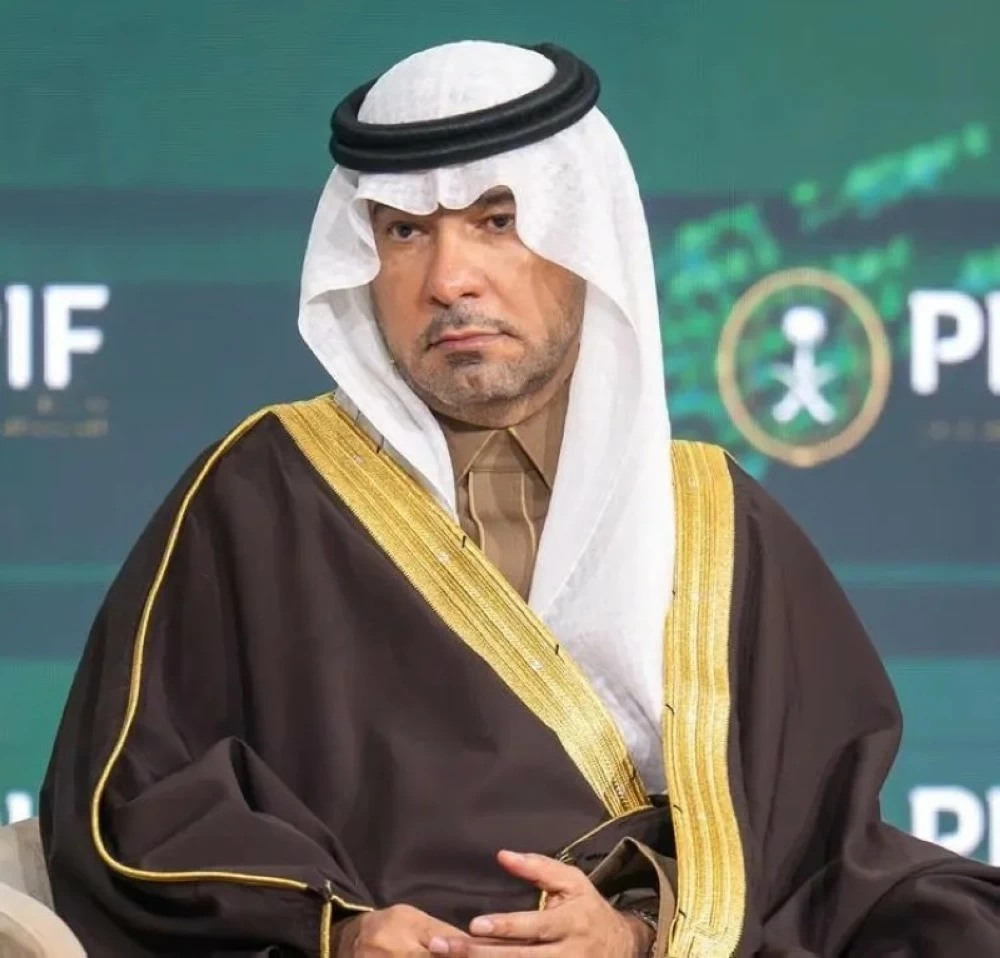
أكد وزير البلديات والإسكان ماجد الحقيل أن الوزارة خصصت 12 خدمة من أصل 29 خدمة في المدن الرئيسة، بنسبة تمثل 40% من المستهدف البالغ 70%، مشددًا على أهمية ضمان شفافية العمليات الاستثمارية وحفظ حقوق جميع المشاركين في القطاع البلدي، وأوضح خلال مشاركته في جلسة وزارية ضمن أعمال النسخة الرابعة من منتدى صندوق الاستثمارات العامة والقطاع الخاص أن حجم القطاع البلدي يعكس ثقله الاقتصادي، إذ يشرف على أكثر من 7 ملايين عامل، ونحو 970 ألف منشأة تعمل في 2,450 مهنة، مؤكدًا أن إتاحة البيانات للقطاع الخاص تمثل أولوية لتحقيق قيمة مضافة مستدامة.
وفيما يتعلق بالإسكان، أشار الحقيل إلى أن الفرص الاستثمارية في القطاع تتجاوز 250 مليار ريال، تشمل مجالات متعددة مثل العقود الهندسية الإشرافية، والتسويق، والمقاولات، وتغطي مختلف فئات الشركات من الصغيرة جدًا إلى المتوسطة، بما يعكس نضج السوق السعودي واتساع نطاق الشراكة مع القطاع الخاص.
وأوضح أن القطاع البلدي يرتكز في تطوره على خمس ركائز أساسية، تشمل تحسين جودة الحياة، وتعزيز الهوية العمرانية والمشهد الحضري، وجذب الاستثمار، واستدامة المدن وقدرتها على مواجهة المخاطر، إلى جانب رفع كفاءة التنفيذ. كما بيّن أن قطاع الإسكان خضع لخصخصة كاملة في التطوير وسلسلة القيمة والتمويل، مع دور تشريعي وتنظيمي للهيئة العامة للعقار، وإدراج أدوات رقمية داعمة لنمو القطاع.
وأشار إلى أن منصة «فرص» تضم أكثر من 180 ألف مستثمر، بعقود تجاوزت قيمتها 13 مليار ريال، إضافة إلى توقيع أكثر من 190 عقدًا للحدائق خلال عام 2025 بأثر مالي يفوق 1.5 مليار ريال، متوقعًا أن تتجاوز قيمة الفرص الاستثمارية المباشرة في القطاع البلدي غير التطويري 130 مليار ريال حتى عام 2030، في ظل توسع الشراكات وتنوع الفرص في قطاعات التقنية، والذكاء الاصطناعي، واللوجستيات، والسياحة.
The Minister of Municipalities and Housing, Majid Al-Huqail, confirmed that the ministry has allocated 12 services out of 29 in major cities, representing 40% of the target of 70%. He emphasized the importance of ensuring transparency in investment operations and safeguarding the rights of all participants in the municipal sector. He clarified during his participation in a ministerial session as part of the fourth edition of the Public Investment Fund and Private Sector Forum that the size of the municipal sector reflects its economic weight, overseeing more than 7 million workers and approximately 970,000 establishments operating in 2,450 professions. He affirmed that making data available to the private sector is a priority for achieving sustainable added value.
Regarding housing, Al-Huqail pointed out that investment opportunities in the sector exceed 250 billion riyals, covering various fields such as supervisory engineering contracts, marketing, and contracting, and encompassing all categories of companies from very small to medium-sized, reflecting the maturity of the Saudi market and the expansion of partnership with the private sector.
He explained that the municipal sector's development is based on five fundamental pillars, including improving quality of life, enhancing urban identity and the urban landscape, attracting investment, ensuring the sustainability of cities and their ability to face risks, in addition to increasing the efficiency of implementation. He also indicated that the housing sector has undergone complete privatization in development, value chain, and financing, with a legislative and regulatory role for the General Authority for Real Estate, along with the inclusion of digital tools supporting the sector's growth.
He noted that the "Opportunities" platform includes more than 180,000 investors, with contracts exceeding 13 billion riyals, in addition to signing more than 190 contracts for parks during the year 2025 with a financial impact exceeding 1.5 billion riyals. He expects that the value of direct investment opportunities in the non-development municipal sector will exceed 130 billion riyals by 2030, amid the expansion of partnerships and diversification of opportunities in the fields of technology, artificial intelligence, logistics, and tourism.