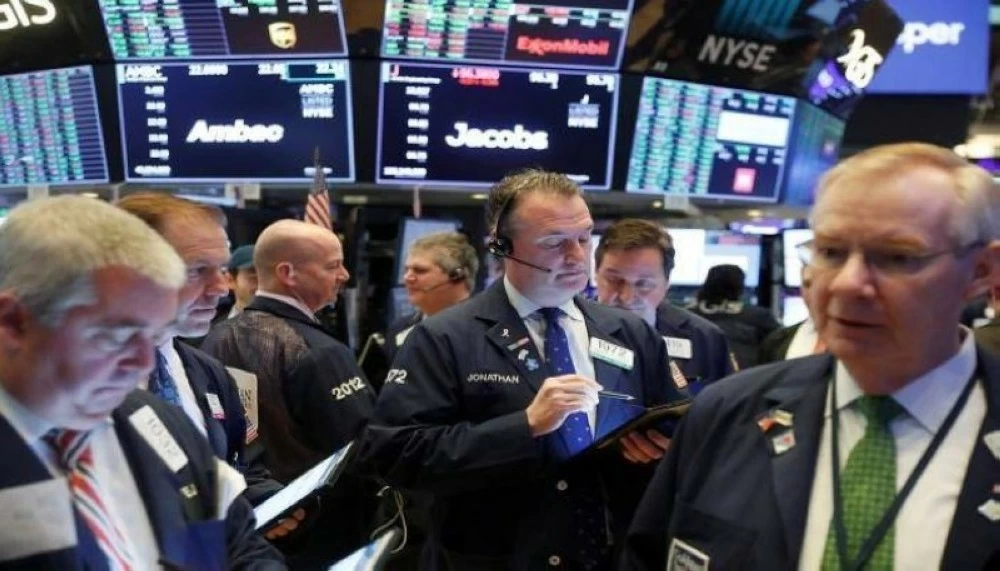
تراقب الأسواق المالية العالمية عن كثب تسارع وتيرة الأحداث في إيران، حيث تستمر الاحتجاجات في المدن الإيرانية، في الوقت الذي تشير فيه تقارير إلى أن الرئيس الأمريكي دونالد ترمب سيتلقى إحاطة غداً، بشأن خيارات محددة للرد على هذه الاحتجاجات.
وفي ظل تصاعد الاضطرابات في إيران وتنامي المخاوف من انعكاسها على أسواق الطاقة العالمية، تتجه أنظار المستثمرين والمحللين إلى مستوى المخاطر التي تهدد الإمدادات النفطية ومدى استعداد السوق للتفاعل معها.
الذهب يتجاوز 4,600 دولار
وتجاوز سعر الذهب 4,600 دولار للأوقية للمرة الأولى اليوم، في حين قفزت الفضة أيضاً لأعلى مستوى لها على الإطلاق، مدعومة بحالة عدم اليقين الجيوسياسي والاقتصادي.
وصعد الذهب في المعاملات الفورية بنحو 1.7% ليصل إلى 4,584.74 دولار للأوقية.
وكان المعدن النفيس سجل مستوى قياسياً جديداً عند 4,600.33 دولار في وقت سابق من الجلسة. وكسبت العقود الأمريكية الآجلة للذهب تسليم فبراير 2.1% إلى 4,595.30 دولار.
وقفزت الفضة في المعاملات الفورية 5.1% إلى 84.06 دولار للأوقية بعد أن سجلت أعلى مستوى لها على الإطلاق عند 84.60 دولار في وقت سابق.
برنت إلى 63.65 دولار
وفي أسواق الطاقة، واصلت أسعار النفط ارتفاعها، وسط تصاعد المخاوف من أن تؤدي الاحتجاجات في إيران إلى تعطيل الإمدادات من البلد العضو في منظمة أوبك.
وصعدت العقود الآجلة لخام برنت 31 سنتا أو 0.49% إلى 63.65 دولار للبرميل، بينما ارتفع خام غرب تكساس الوسيط الأمريكي 30 سنتا أو 0.51% إلى 59.42 دولار للبرميل.
وارتفع الخامان بأكثر من 3% الأسبوع الماضي ليحققا أكبر ارتفاع أسبوعي لهما منذ أكتوبر الماضي، مع تكثيف المؤسسة الدينية الإيرانية حملتها على أكبر مظاهرات منذ عام 2022.
الأسهم والتطورات الجيوسياسية
وفي أسواق الأسهم، بدأت الأسهم الأوروبية أسبوع التداول الجديد على انخفاض، في ظل ترقب المستثمرين للتطورات الجيوسياسية في إيران، والضغوط المتجددة على رئيس مجلس الاحتياطي الفيدرالي جيروم باول.
وانخفض مؤشر ستوكس 600 الأوروبي بنسبة 0.2% تقريبًا بعد افتتاح التداولات مباشرة، حيث سجلت البورصات والقطاعات الرئيسية خسائر.
وافتتح مؤشر فوتسي البريطاني على انخفاض بنسبة 0.26%، بينما تراجع مؤشر داكس الألماني بنسبة 0.1% تقريبًا. وانخفض مؤشر كاك 40 الفرنسي بنسبة 0.25%، وتراجع مؤشر فوتسي إم آي بي الإيطالي بنسبة 0.38%، وفقا لشبكة CNBC الأمريكية.
The global financial markets are closely monitoring the accelerating pace of events in Iran, as protests continue in Iranian cities, while reports indicate that U.S. President Donald Trump will receive a briefing tomorrow regarding specific options for responding to these protests.
Amid the escalating unrest in Iran and growing concerns about its impact on global energy markets, investors and analysts are focusing on the level of risks threatening oil supplies and the market's readiness to react to them.
Gold surpasses $4,600
The price of gold exceeded $4,600 per ounce for the first time today, while silver also surged to its highest level ever, supported by geopolitical and economic uncertainty.
Gold rose in spot transactions by about 1.7% to reach $4,584.74 per ounce.
The precious metal had recorded a new record level of $4,600.33 earlier in the session. U.S. gold futures for February delivery gained 2.1% to $4,595.30.
Silver jumped in spot transactions by 5.1% to $84.06 per ounce after reaching its all-time high of $84.60 earlier.
Brent at $63.65
In energy markets, oil prices continued to rise amid growing fears that protests in Iran could disrupt supplies from the OPEC member country.
Brent crude futures rose by 31 cents or 0.49% to $63.65 per barrel, while West Texas Intermediate crude increased by 30 cents or 0.51% to $59.42 per barrel.
Both crude types rose by more than 3% last week, achieving their largest weekly increase since October, as the Iranian religious institution intensified its campaign against the largest protests since 2022.
Stocks and geopolitical developments
In stock markets, European stocks began the new trading week on a decline, as investors awaited geopolitical developments in Iran and renewed pressures on Federal Reserve Chairman Jerome Powell.
The Stoxx 600 index fell by approximately 0.2% right after the trading opened, with major exchanges and sectors recording losses.
The FTSE 100 index opened down by 0.26%, while the German DAX index declined by about 0.1%. The French CAC 40 index fell by 0.25%, and the Italian FTSE MIB index decreased by 0.38%, according to CNBC.