


ارتفع الذهب لمستوى قياسي جديد، مدعوما بالطلب على الملاذ الآمن وتوقعات خفض مجلس الاحتياطي الاتحادي (البنك المركزي الأمريكي) لأسعار الفائدة.
وصعد الذهب في المعاملات الفورية بنسبة 1.5% ليصل إلى أعلى مستوى على الإطلاق عند 4078.05 دولار للأوقية، وارتفعت العقود الأمريكية الآجلة للذهب 2.3% إلى 4093.50 دولار.
وقفزت الفضة أيضا لأعلى مستوى لها على الإطلاق بنسبة 2.7% بلغت 51.70 دولار للأوقية، فيما ارتفع البلاتين 2.9% إلى 1635.35 دولار، وزاد البلاديوم 3.6% إلى 1452.50 دولار.
وكان رئيس قسم الشرق الأوسط والسياسة العامة في مجلس الذهب العالمي أندرو نايلور قد أوضح في وقت سابق، أن ضعف الدولار حاليا أكبر عامل مؤثر في ارتفاع أسعار الذهب، بجانب مشتريات البنوك المركزية التي لعبت دورا أساسيا خلال السنوات الماضية.
أسعار الفائدة
وقال في مقابلة مع «العربية Business» إن انخفاض أسعار الفائدة أيضا له تأثير كبير في أسعار الذهب لكن ما يدعم ارتفاعها أيضا هو مشتريات المؤسسات مثل الصناديق التي سجلت في شهر سبتمبر تدفقات كبيرة.
وأشار إلى إمكانية حدوث تصحيح في أسعار الذهب خلال المدى القريب، لكن أساسيات السوق على المدى البعيد إيجابية للغاية مع زيادة عدم اليقين الاقتصادي، والتوترات التجارية وارتفاع الرسوم الجمركية في الولايات المتحدة سيؤدي إلى زيادة التضخم، ما يعزز الطلب على الذهب كإحدى أدوات التحوط ضد المخاطر الاقتصادية والجيوسياسية. وأضاف: «الزيادة بواقع 100 نقطة على مؤشر المخاطر الجيوسياسية ترفع أسعار الذهب بنحو 2%».
وبيّن أن المستثمرين اتجهوا إلى تنويع محافظهم ويرون في الذهب أداة استثمارية جيدة، كما أن العوامل الداعمة للذهب ما زالت موجودة وستظل في المستقبل المنظور.
الذهب لمستوى قياسي جديد.. الأوقية عند 4078.05 دولار
13 أكتوبر 2025 - 16:03
|
آخر تحديث 13 أكتوبر 2025 - 16:03
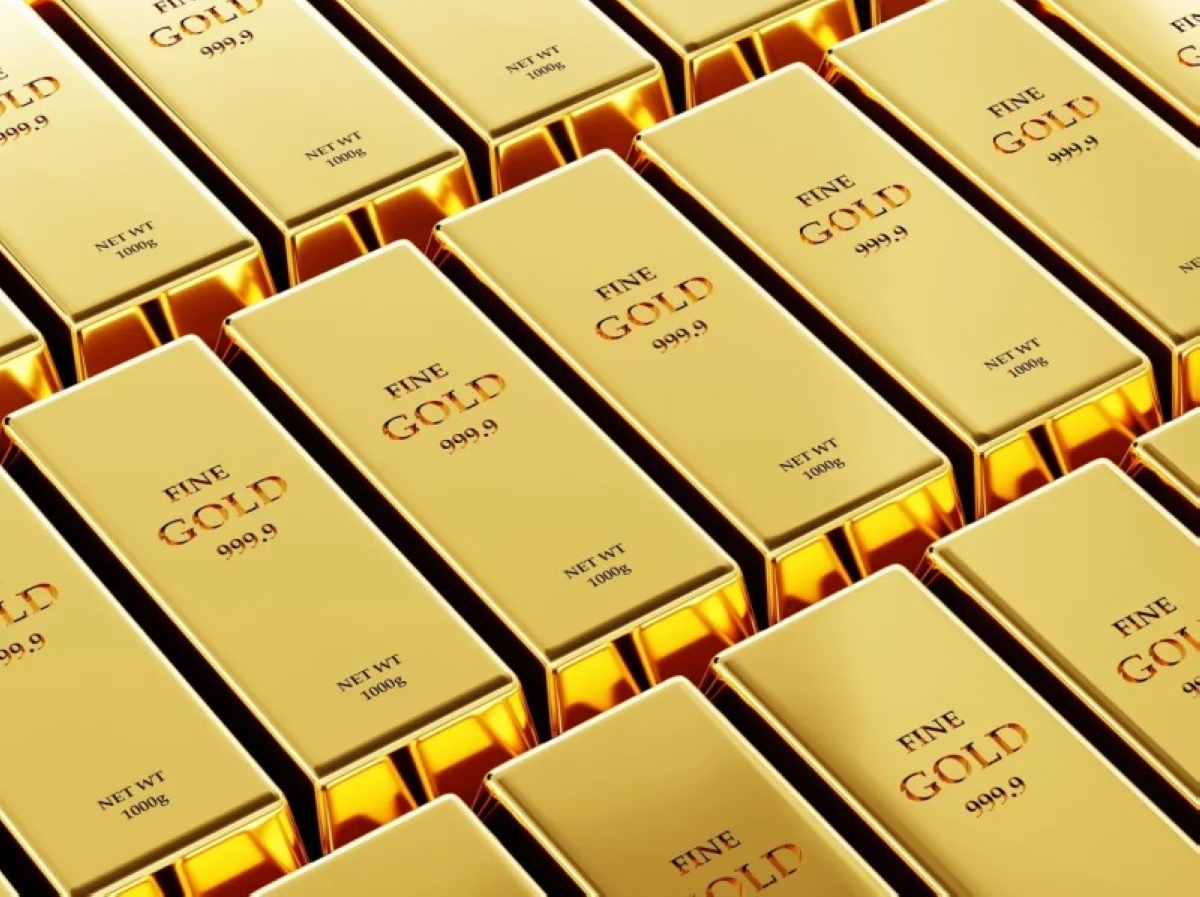
الذهب واصل سلسلة تسجيل أعلى قمم تاريخية في 2025 (متداولة)


تابع قناة عكاظ على الواتساب
«عكاظ» (سنغافورة)
Gold has risen to a new record level, supported by demand for safe havens and expectations of interest rate cuts by the Federal Reserve (the U.S. central bank).
Gold increased in spot transactions by 1.5% to reach an all-time high of $4,078.05 per ounce, while U.S. gold futures rose 2.3% to $4,093.50.
Silver also surged to its highest level ever, up 2.7% to $51.70 per ounce, while platinum rose 2.9% to $1,635.35, and palladium increased by 3.6% to $1,452.50.
Andrew Naylor, head of the Middle East and Public Policy at the World Gold Council, previously explained that the current weakness of the dollar is the biggest influencing factor in the rise of gold prices, alongside central bank purchases that have played a crucial role over the past few years.
Interest Rates
In an interview with "Al Arabiya Business," he stated that the decline in interest rates also has a significant impact on gold prices, but what supports their rise is also the purchases by institutions such as funds, which recorded significant inflows in September.
He pointed out the possibility of a correction in gold prices in the near term, but the market fundamentals in the long term are very positive, with increasing economic uncertainty, trade tensions, and rising tariffs in the United States leading to higher inflation, which boosts demand for gold as a hedge against economic and geopolitical risks. He added, "A 100-point increase in the geopolitical risk index raises gold prices by about 2%."
He indicated that investors have turned to diversify their portfolios and see gold as a good investment tool, and the factors supporting gold are still present and will remain in the foreseeable future.
Gold increased in spot transactions by 1.5% to reach an all-time high of $4,078.05 per ounce, while U.S. gold futures rose 2.3% to $4,093.50.
Silver also surged to its highest level ever, up 2.7% to $51.70 per ounce, while platinum rose 2.9% to $1,635.35, and palladium increased by 3.6% to $1,452.50.
Andrew Naylor, head of the Middle East and Public Policy at the World Gold Council, previously explained that the current weakness of the dollar is the biggest influencing factor in the rise of gold prices, alongside central bank purchases that have played a crucial role over the past few years.
Interest Rates
In an interview with "Al Arabiya Business," he stated that the decline in interest rates also has a significant impact on gold prices, but what supports their rise is also the purchases by institutions such as funds, which recorded significant inflows in September.
He pointed out the possibility of a correction in gold prices in the near term, but the market fundamentals in the long term are very positive, with increasing economic uncertainty, trade tensions, and rising tariffs in the United States leading to higher inflation, which boosts demand for gold as a hedge against economic and geopolitical risks. He added, "A 100-point increase in the geopolitical risk index raises gold prices by about 2%."
He indicated that investors have turned to diversify their portfolios and see gold as a good investment tool, and the factors supporting gold are still present and will remain in the foreseeable future.


