


حققت السعودية إنجازا اقتصاديا لافتا في شهر سبتمبر، إذ أظهر مسح مؤشر مديري المشتريات لبنك الرياض ارتفاعا ملموسا في النشاط الاقتصادي غير النفطي، ما يُبرز قدرة الاقتصاد السعودي على الابتكار والتكيف في مواجهة التحديات.
ووفقا للتقرير، فقد ارتفع المؤشر الرئيسي من 56.4 في شهر أغسطس إلى 57.8 في شهر سبتمبر، في إشارة واضحة إلى تحسن قوي في ظروف التشغيل يفوق متوسط النمو المعتاد، وقد ساهم في هذا الأداء عدد من العوامل الجوهرية التي تجمعت لتشكل بيئة مواتية للنمو والتنمية.
وشهدت الشركات غير النفطية ارتفاعا ملحوظا في حجم الأعمال الجديدة، سواء من السوق المحلية أو عبر تعاملات دولية، مدعومة بفاعلية الإستراتيجيات التسويقية والتسعير المرن، كما ارتفع الإنتاج بوتيرة هي الأسرع منذ فبراير، بينما دفعت قوة الطلب المؤسسات إلى تسريع معدلات الشراء لمدخلاتها، ما أدى إلى توسع في المخزون إلى أعلى مستوى منذ أبريل، مع حرص على إدارة فعالة لضمان انسيابية التوزيع واستعداد متزايد للطلبات المستقبلية.
وعلى صعيد العمالة، واصلت الشركات توظيف كوادر جديدة بمعدلات تاريخية، استجابة للزيادة في الطلب وضرورة إنجاز المشاريع في الوقت المناسب، مما أسهم في استقرار الأعمال المتراكمة بعد شهور من الارتفاع.
كما انعكس التفاؤل على آفاق المستقبل، إذ ارتفعت ثقة الشركات بالشهور القادمة مدفوعة بتوقعات بزيادة الطلب، ونجاح جهود التسويق، واكتساب عملاء جدد.
غير أن المؤشرات لا تخلو من تحديات؛ فالتكاليف المرتفعة للمدخلات، التي تأثرت بزيادات في الأجور وتحميل الموردين للتكاليف الإضافية، ما زالت تمارس ضغوطا على هوامش التشغيل، ورغم أن ارتفاع أسعار المبيعات استمر، إلا أن وتيرته تراجعت إلى أدنى مستوى في أربعة أشهر، في ظل محاولات بعض الشركات الحفاظ على تنافسيتها.
هذا الأداء القوي يعكس تميز السعودية ليس فقط في إدارة الأزمات، بل في استشراف الفرص، وتعزيز التنويع الاقتصادي بعيدا عن الاعتماد على النفط، مواكبا لرؤية 2030 التي طرحت خارطة طريق تحول اقتصادي مستدام. والنظرة المستقبلية تشير إلى أن البلاد على أعتاب فصل جديد من النمو المدعوم بالابتكار وقوة القطاع الخاص.
* انعكاسات النمو الاقتصادي في السعودية:
- توظيف تاريخي للكوادر الجديدة
- استقرار الأعمال
- التفاؤل المستقبلي من الشركات
- مواصلة إنجاز المشاريع
السعودية تسجل أسرع نمو للقطاع غير النفطي في نصف عام
6 أكتوبر 2025 - 16:54
|
آخر تحديث 6 أكتوبر 2025 - 16:54
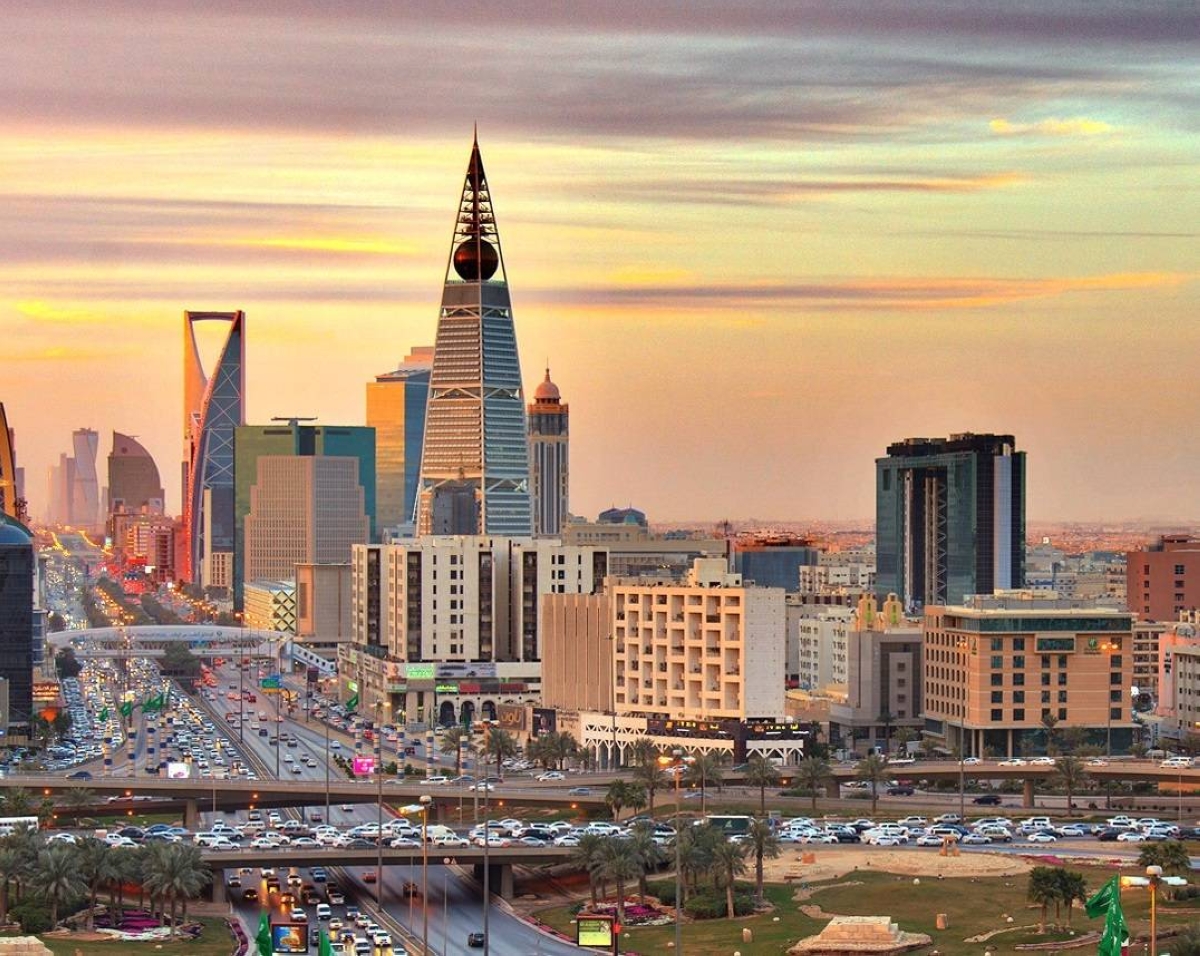
تحسن ظروف التشغيل ساهم في نمو القطاع غير النفطي (متداولة)


تابع قناة عكاظ على الواتساب
عبدالرحمن المصباحي (جدة) @sobhe90
Saudi Arabia achieved a remarkable economic milestone in September, as the Riyad Bank Purchasing Managers' Index survey showed a noticeable increase in non-oil economic activity, highlighting the Saudi economy's ability to innovate and adapt in the face of challenges.
According to the report, the main index rose from 56.4 in August to 57.8 in September, indicating a strong improvement in operating conditions that exceeds the usual growth average. This performance was supported by several fundamental factors that came together to create a favorable environment for growth and development.
Non-oil companies witnessed a significant increase in new business volumes, both from the local market and through international transactions, supported by effective marketing strategies and flexible pricing. Production also increased at the fastest pace since February, while strong demand prompted businesses to accelerate their purchasing rates for inputs, leading to an expansion in inventories to the highest level since April, with a focus on effective management to ensure smooth distribution and an increasing readiness for future orders.
In terms of employment, companies continued to hire new staff at historic rates, responding to the increase in demand and the necessity of completing projects on time, which contributed to the stability of backlogged work after months of increases.
Optimism was also reflected in future prospects, as companies' confidence in the coming months rose, driven by expectations of increased demand, successful marketing efforts, and the acquisition of new clients.
However, the indicators are not without challenges; high input costs, affected by wage increases and suppliers passing on additional costs, continue to exert pressure on operating margins. Although the rise in selling prices persisted, its pace declined to the lowest level in four months, amid attempts by some companies to maintain their competitiveness.
This strong performance reflects Saudi Arabia's excellence not only in crisis management but also in anticipating opportunities and enhancing economic diversification away from oil dependence, in line with the 2030 Vision, which proposed a roadmap for sustainable economic transformation. The future outlook indicates that the country is on the brink of a new chapter of growth supported by innovation and the strength of the private sector.
* Implications of economic growth in Saudi Arabia:
- Historic hiring of new staff
- Stability of businesses
- Future optimism from companies
- Continued project completion
According to the report, the main index rose from 56.4 in August to 57.8 in September, indicating a strong improvement in operating conditions that exceeds the usual growth average. This performance was supported by several fundamental factors that came together to create a favorable environment for growth and development.
Non-oil companies witnessed a significant increase in new business volumes, both from the local market and through international transactions, supported by effective marketing strategies and flexible pricing. Production also increased at the fastest pace since February, while strong demand prompted businesses to accelerate their purchasing rates for inputs, leading to an expansion in inventories to the highest level since April, with a focus on effective management to ensure smooth distribution and an increasing readiness for future orders.
In terms of employment, companies continued to hire new staff at historic rates, responding to the increase in demand and the necessity of completing projects on time, which contributed to the stability of backlogged work after months of increases.
Optimism was also reflected in future prospects, as companies' confidence in the coming months rose, driven by expectations of increased demand, successful marketing efforts, and the acquisition of new clients.
However, the indicators are not without challenges; high input costs, affected by wage increases and suppliers passing on additional costs, continue to exert pressure on operating margins. Although the rise in selling prices persisted, its pace declined to the lowest level in four months, amid attempts by some companies to maintain their competitiveness.
This strong performance reflects Saudi Arabia's excellence not only in crisis management but also in anticipating opportunities and enhancing economic diversification away from oil dependence, in line with the 2030 Vision, which proposed a roadmap for sustainable economic transformation. The future outlook indicates that the country is on the brink of a new chapter of growth supported by innovation and the strength of the private sector.
* Implications of economic growth in Saudi Arabia:
- Historic hiring of new staff
- Stability of businesses
- Future optimism from companies
- Continued project completion


