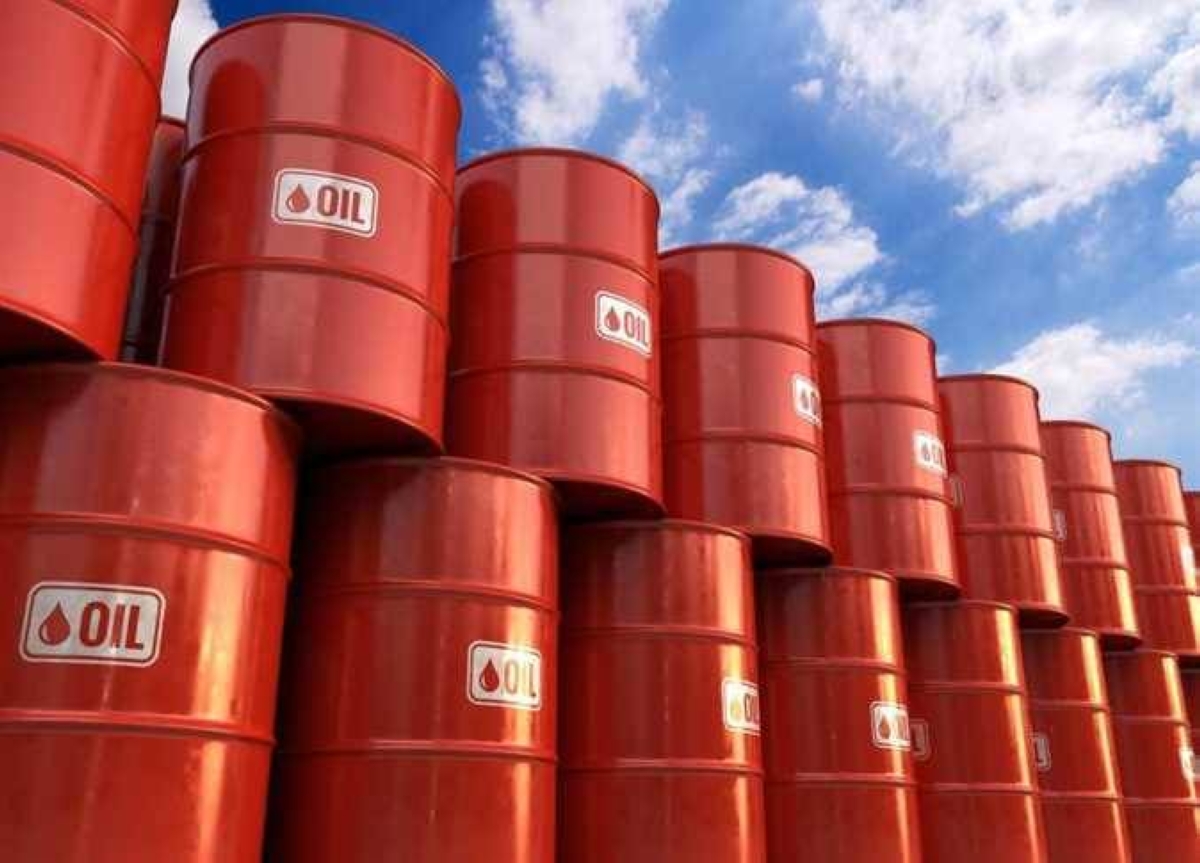
حافظ تحالف «أوبك بلس» على توازن سوق النفط خلال الأشهر الأخيرة، حيث جاءت الزيادة الفعلية في إمداداته أقل من المستويات المستهدفة منذ بدء خطط رفع الإنتاج في أبريل الماضي، ما ساعد على إبقاء أسعار خام برنت قرب 69 دولارًا للبرميل.
وحسب تقرير حديث أنتج التحالف نحو 75% فقط من الزيادات المقررة بين أشهر أبريل وأغسطس، أي أقل بنحو 500 ألف برميل يوميًا من المستهدف، وهو ما دعم الأسعار وعكس توقعات وفرة المعروض.
ويرى محللون أن هذا النقص يعود أولاً إلى تنفيذ بعض الأعضاء خفضًا إضافيًا كتعويض عن تجاوز الإنتاج سابقًا، وثانيًا إلى تراجع الطاقة الإنتاجية الفائضة – الإمدادات الإضافية التي يمكن إنتاجها وضخها في السوق خلال فترة قصيرة – مع انخفاض الاستثمارات.
وأوضح التقرير أنه مع تطور الأوضاع، قد تتراجع نسبة الوفاء بالأهداف إلى حوالي النصف لاحقًا هذا العام بسبب حدود القدرات الإنتاجية التي تواجهها بعض الدول الأعضاء.
وتتركز غالبية الطاقة الإنتاجية الفائضة البالغة 4.1 مليون برميل يوميًا حتى أغسطس لدى السعودية والإمارات، بينما تواجه دول أخرى صعوبات في زيادة الإنتاج بسبب بلوغها أقصى طاقاتها الإنتاجية، وفقًا لما أوردته وكالة الطاقة الدولية ومصادر صناعية.
ويستعد التحالف لزيادة إنتاجه تدريجيًا بـ547 ألف برميل يوميًا في شهر سبتمبر و137 ألف برميل في شهر أكتوبر، لكن يتوقع الخبراء أن تكون الزيادة الفعلية أقل من المستهدف، خصوصًا مع اقتراب كثير من الأعضاء من سقف قدرتهم الإنتاجية.
The "OPEC Plus" alliance has maintained a balance in the oil market over the past few months, as the actual increase in its supplies has been below the targeted levels since the production-boosting plans began in April, which helped keep Brent crude prices close to $69 per barrel.
According to a recent report, the alliance produced only about 75% of the planned increases between April and August, which is about 500,000 barrels per day less than targeted, supporting prices and countering expectations of an oversupply.
Analysts believe that this shortfall is primarily due to some members implementing additional cuts to compensate for previous production overruns, and secondly due to a decline in excess production capacity – the additional supplies that can be produced and pumped into the market in a short period – amid falling investments.
The report clarified that as conditions evolve, the compliance rate with the targets may drop to around half later this year due to the production capacity limits faced by some member countries.
The majority of the excess production capacity of 4.1 million barrels per day until August is concentrated in Saudi Arabia and the UAE, while other countries are facing difficulties in increasing production due to reaching their maximum production capacities, according to the International Energy Agency and industrial sources.
The alliance is preparing to gradually increase its production by 547,000 barrels per day in September and 137,000 barrels in October, but experts expect the actual increase to be less than targeted, especially as many members approach the ceiling of their production capacity.