


قال محافظ البنك المركزي البرتغالي عضو مجلس السياسات في البنك المركزي الأوروبي ماريو سينتينو، في مقابلة مع صحيفة «لا ستامبا» الإيطالية: «إن اقتصاد منطقة اليورو ضعيف ويحتاج إلى مزيد من التحفيز من القيادة الأوروبية».
وخفّض البنك المركزي الأوروبي أسعار الفائدة للمرة الثامنة خلال عام في وقت سابق من هذا الشهر لدعم التعافي البطيء في منطقة اليورو، لكنه أشار بوضوح إلى توقف مؤقت عن سلسلة رفع أسعار الفائدة في شهر يوليو.
وأيّد سينتينو، الذي تنتهي ولايته محافظاً للبنك المركزي البرتغالي قبل اجتماع السياسة القادم للبنك المركزي الأوروبي يومي 23 و24 يوليو، المزيد من التخفيضات في أسعار الفائدة، وقال ستامبا: «يجب أن تستهدف أسعار الفائدة تضخماً مستقراً عند 2 %، في رأيي هذا لم يحدث في منطقة اليورو حتى الأن».
وأضاف سينتينو، الذي يُفضّل غالباً تيسير شروط السياسة النقدية «لا تزال ظروف العرض والطلب ضعيفة للغاية بحيث لا تسمح بتحقيق أهدافنا دون مزيد من التحفيز، إنه قرار سيتم اتخاذه اجتماعاً تلو الآخر، لكن من الضروري أن نتذكر أنه لكي تنجح فكرة سعر الفائدة المحايد، يجب أن يكون مستوى الأسعار وحالة الاقتصاد في حالة توازن، لكن اليوم لا يزال الاقتصاد ضعيفاً».
وسعر الفائدة المحايد هو معدل الفائدة الحقيقي (معدل الفائدة الاسمي مخصوماً منه معدل التضخم) الذي يدعم الاقتصاد عند التشغيل الكامل مع الحفاظ على ثبات معدل التضخم.
عضو في «المركزي الأوروبي»: اليورو يحتاج لمزيد من التحفيز
22 يونيو 2025 - 15:14
|
آخر تحديث 22 يونيو 2025 - 15:14
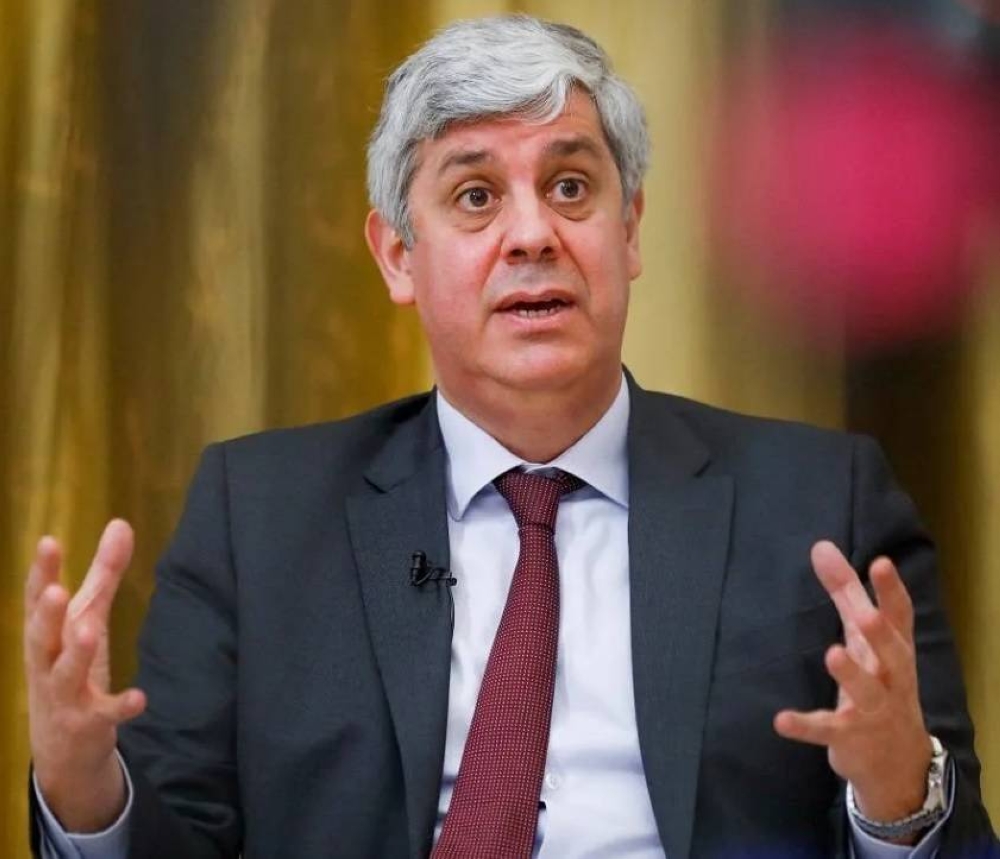
ماريو سينتينو


تابع قناة عكاظ على الواتساب
«عكاظ» (لشبونة) @okaz_online
The Governor of the Portuguese central bank and member of the European Central Bank's Governing Council, Mario Centeno, said in an interview with the Italian newspaper "La Stampa": "The economy of the Eurozone is weak and needs more stimulus from European leadership."
The European Central Bank lowered interest rates for the eighth time this year earlier this month to support the slow recovery in the Eurozone, but clearly indicated a temporary halt to the series of interest rate hikes in July.
Centeno, whose term as Governor of the Portuguese central bank ends before the next ECB policy meeting on July 23 and 24, supported further interest rate cuts, stating to Stampa: "Interest rates should target stable inflation at 2%, in my opinion, this has not happened in the Eurozone so far."
Centeno added, who often prefers easing monetary policy, "Supply and demand conditions are still so weak that they do not allow us to achieve our goals without further stimulus. It is a decision that will be made meeting by meeting, but it is essential to remember that for the idea of a neutral interest rate to succeed, the level of prices and the state of the economy must be in balance, but today the economy is still weak."
The neutral interest rate is the real interest rate (nominal interest rate minus inflation rate) that supports the economy at full employment while maintaining stable inflation.
The European Central Bank lowered interest rates for the eighth time this year earlier this month to support the slow recovery in the Eurozone, but clearly indicated a temporary halt to the series of interest rate hikes in July.
Centeno, whose term as Governor of the Portuguese central bank ends before the next ECB policy meeting on July 23 and 24, supported further interest rate cuts, stating to Stampa: "Interest rates should target stable inflation at 2%, in my opinion, this has not happened in the Eurozone so far."
Centeno added, who often prefers easing monetary policy, "Supply and demand conditions are still so weak that they do not allow us to achieve our goals without further stimulus. It is a decision that will be made meeting by meeting, but it is essential to remember that for the idea of a neutral interest rate to succeed, the level of prices and the state of the economy must be in balance, but today the economy is still weak."
The neutral interest rate is the real interest rate (nominal interest rate minus inflation rate) that supports the economy at full employment while maintaining stable inflation.


