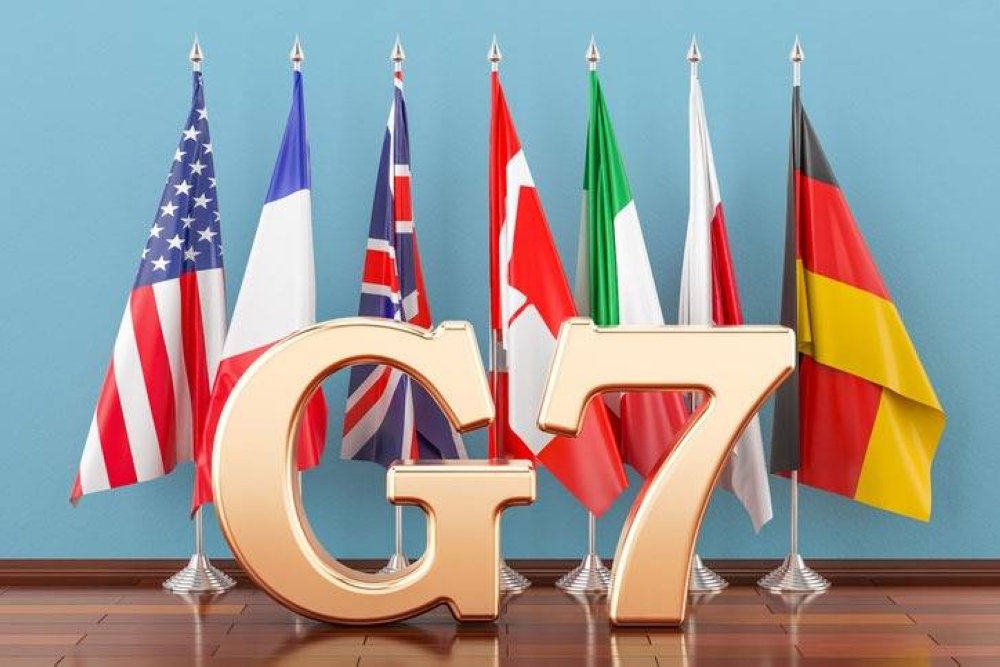
انطلقت اليوم (الإثنين) قمة مجموعة السبع (G7) في جبال روكي الكندية، وسط أجواء مشحونة بالتوترات التجارية الناجمة عن التعريفات الجمركية العالية التي فرضها الرئيس الأمريكي دونالد ترمب، إلى جانب أزمات جيوسياسية متصاعدة، أبرزها الصراع الإسرائيلي-الإيراني.
وتتزامن القمة مع تطورات داخلية صادمة في الولايات المتحدة، حيث أُلقي القبض على المشتبه به في مقتل نائبة بمجلس النواب بولاية مينيسوتا وزوجها، فيما يترقب المستثمرون اجتماعات حاسمة للبنوك المركزية، خصوصاً الاحتياطي الفيدرالي الأمريكي وبنك اليابان.
وتجمع القمة قادة الولايات المتحدة، كندا، المملكة المتحدة، فرنسا، ألمانيا، إيطاليا، واليابان، في محاولة للتعامل مع قضايا ملحة تشمل الحروب في أوكرانيا وغزة، التصعيد بين إسرائيل وإيران، تغير المناخ، الهجرة، الاتجار بالمخدرات، التقدم في الذكاء الاصطناعي، وهيمنة الصين على سلاسل التوريد العالمية.
لكن التوترات التجارية الناجمة عن تعريفات ترمب، التي طالت عشرات الدول وهددت بالتسبب في تباطؤ اقتصادي عالمي، تهيمن على المناقشات.
وعلى عكس الأعوام السابقة، لن تصدر القمة بياناً مشتركاً هذا العام، في إشارة إلى رؤية إدارة ترمب التي تفضل عدم بناء توافق مع الديمقراطيات الأخرى إذا كان ذلك يتعارض مع أهدافها، مثل زيادة إنتاج الوقود الأحفوري وتقليل الاعتماد الأوروبي على الدعم العسكري الأمريكي.
وتقول كايتلين ويلش، مديرة بمركز الدراسات الاستراتيجية والدولية: تؤمن إدارة ترمب بأن عدم التوصل إلى اتفاق أفضل من قبول اتفاق سيئ.
وتتذكر الأوساط السياسية زيارة ترمب السابقة لقمة G7 في كندا، حيث التقطت صورة شهيرة له وهو يجلس متحدياً بذراعين متقاطعتين بينما تنظر إليه المستشارة الألمانية السابقة أنجيلا ميركل بغضب.
The G7 summit kicked off today (Monday) in the Canadian Rocky Mountains, amid heightened tensions from trade disputes caused by high tariffs imposed by U.S. President Donald Trump, alongside escalating geopolitical crises, most notably the Israeli-Iranian conflict.
The summit coincides with shocking internal developments in the United States, where a suspect has been arrested in the murder of a Minnesota congresswoman and her husband, while investors are awaiting crucial meetings of central banks, particularly the U.S. Federal Reserve and the Bank of Japan.
The summit brings together leaders from the United States, Canada, the United Kingdom, France, Germany, Italy, and Japan, in an effort to address pressing issues including the wars in Ukraine and Gaza, the escalation between Israel and Iran, climate change, immigration, drug trafficking, advancements in artificial intelligence, and China's dominance over global supply chains.
However, the trade tensions stemming from Trump's tariffs, which have affected dozens of countries and threaten to cause a global economic slowdown, dominate the discussions.
Unlike previous years, the summit will not issue a joint statement this year, reflecting the Trump administration's view that it prefers not to build consensus with other democracies if it conflicts with its goals, such as increasing fossil fuel production and reducing European reliance on U.S. military support.
Caitlin Welsh, a director at the Center for Strategic and International Studies, states: "The Trump administration believes that not reaching an agreement is better than accepting a bad deal."
Political circles remember Trump's previous visit to the G7 summit in Canada, where a famous photo was taken of him sitting defiantly with his arms crossed while former German Chancellor Angela Merkel looked at him angrily.