استقرت أسعار النفط خلال تداولاتها (اليوم) الجمعة، لكنها تتجه لتسجيل ثاني أسبوع على التوالي من المكاسب بدعم من حالة التفاؤل إزاء التطورات التجارية بين الولايات المتحدة والصين، إلا أن العودة المحتملة للإمدادات الإيرانية حدّت من مكاسب الأسعار.
ونزلت العقود الآجلة لخام برنت سنتًا واحدًا إلى 64.52 دولار للبرميل، وزادت العقود الآجلة لخام غرب تكساس الوسيط الأمريكي إلى 61.64 دولار.
وتراجعت الأسعار بأكثر من 2% في الجلسة السابقة بعد أن أكد الرئيس الأمريكي دونالد ترمب أن الولايات المتحدة تقترب من التوصل إلى اتفاق نووي مع إيران وأن طهران وافقت «نوعًا ما» على بنوده.
وكتب محللو «آي إن جي» في مذكرة أنه إذا تم رفع العقوبات عن إيران نتيجة لإبرام اتفاق نووي فإن مخاطر الإمدادات ستقل، إذ إن هذا سيسمح لإيران بزيادة إنتاجها النفطي وإيجاد مشترين أكثر استعدادًا لشرائه، وأضافوا أن ذلك قد يؤدي إلى زيادة المعروض بنحو 400 ألف برميل يوميًا.
ورغم التداعيات المحتملة على الإمدادات، ارتفع كل من خام برنت وخام غرب تكساس الوسيط بـ1% منذ بداية الأسبوع وحتى الآن.
وزادت أسعار النفط في وقت سابق من الأسبوع بعد أن اتفقت الولايات المتحدة والصين، أكبر اقتصادين ومستهلكين للنفط في العالم، على تهدئة الحرب التجارية بينهما لمدة 90 يومًا يقومان خلالها بخفض الرسوم الجمركية بشكل حاد، وكانت الرسوم الجمركية الهائلة المتبادلة بين الصين والولايات المتحدة قد أثارت مخاوف بسبب احتمال تأثيرها بشكل كبير على النمو العالمي والطلب على النفط.
أسعار النفط تقترب من تسجيل ثاني مكاسب أسبوعية
16 مايو 2025 - 16:40
|
آخر تحديث 16 مايو 2025 - 16:44
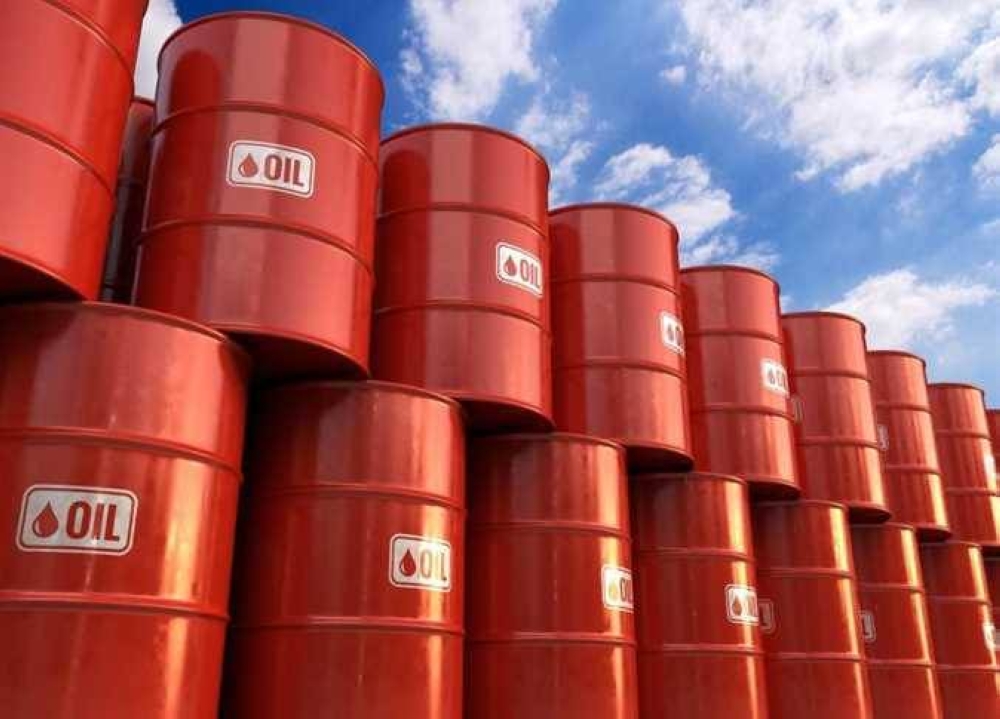
التطورات التجارية بين الولايات المتحدة والصين دعمت أسعار النفط (متداولة)


تابع قناة عكاظ على الواتساب
«عكاظ» (جدة) okaz_online@
Oil prices stabilized during trading today (Friday), but they are on track to record a second consecutive week of gains supported by optimism regarding trade developments between the United States and China. However, the potential return of Iranian supplies has limited price gains.
Brent crude futures fell by one cent to $64.52 per barrel, while U.S. West Texas Intermediate crude futures rose to $61.64.
Prices dropped by more than 2% in the previous session after U.S. President Donald Trump confirmed that the United States is nearing a nuclear agreement with Iran and that Tehran has "somewhat" agreed to its terms.
Analysts at "ING" wrote in a note that if sanctions on Iran are lifted as a result of a nuclear agreement, supply risks will decrease, as this would allow Iran to increase its oil production and find more buyers willing to purchase it. They added that this could lead to an increase in supply of about 400,000 barrels per day.
Despite the potential implications for supply, both Brent and West Texas Intermediate crude have risen by 1% since the beginning of the week.
Oil prices increased earlier in the week after the United States and China, the two largest economies and oil consumers in the world, agreed to ease their trade war for 90 days during which they would sharply reduce tariffs. The massive reciprocal tariffs between China and the United States had raised concerns about their potential significant impact on global growth and oil demand.
Brent crude futures fell by one cent to $64.52 per barrel, while U.S. West Texas Intermediate crude futures rose to $61.64.
Prices dropped by more than 2% in the previous session after U.S. President Donald Trump confirmed that the United States is nearing a nuclear agreement with Iran and that Tehran has "somewhat" agreed to its terms.
Analysts at "ING" wrote in a note that if sanctions on Iran are lifted as a result of a nuclear agreement, supply risks will decrease, as this would allow Iran to increase its oil production and find more buyers willing to purchase it. They added that this could lead to an increase in supply of about 400,000 barrels per day.
Despite the potential implications for supply, both Brent and West Texas Intermediate crude have risen by 1% since the beginning of the week.
Oil prices increased earlier in the week after the United States and China, the two largest economies and oil consumers in the world, agreed to ease their trade war for 90 days during which they would sharply reduce tariffs. The massive reciprocal tariffs between China and the United States had raised concerns about their potential significant impact on global growth and oil demand.