تابع قناة عكاظ على الواتساب
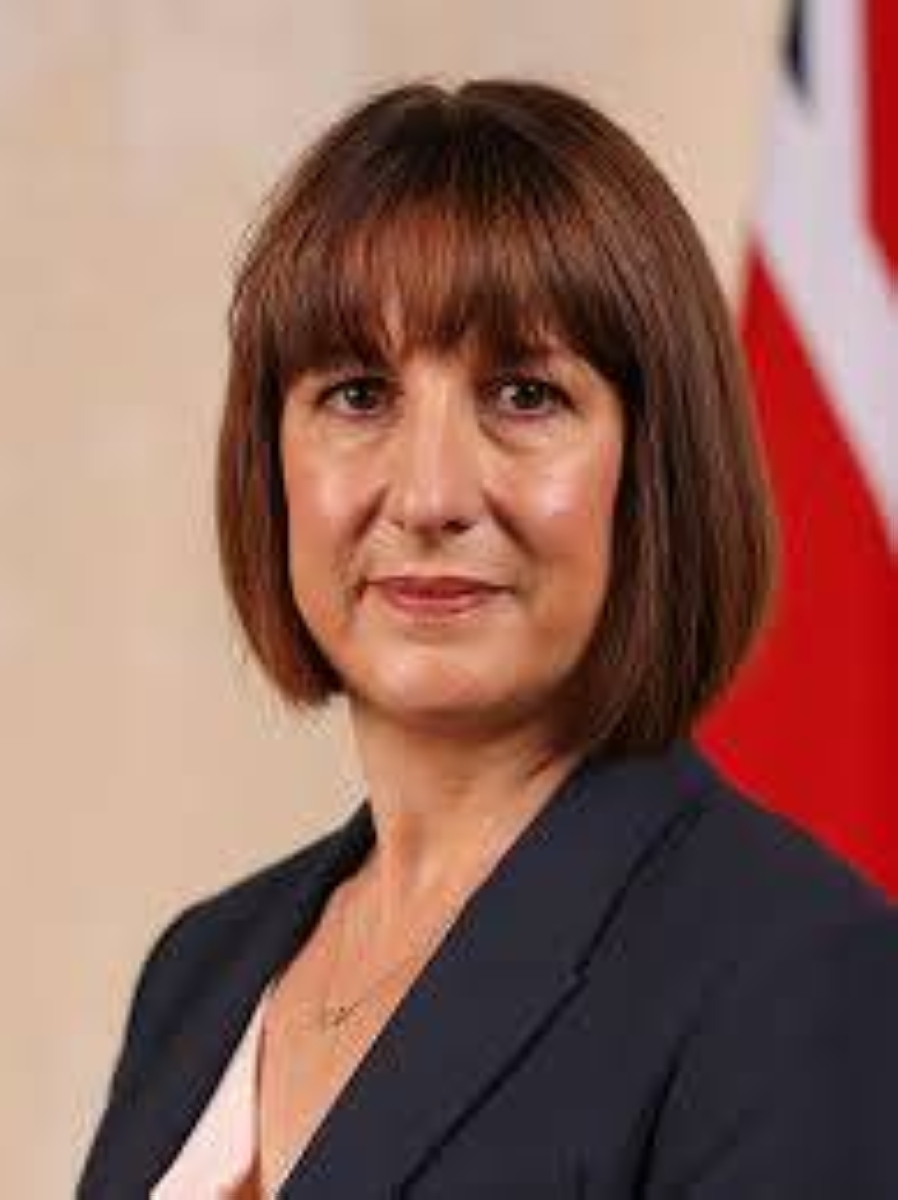
تعتزم وزيرة المالية البريطانية راشيل ريفز في ميزانية الشهر القادم تعزيز الهامش المالي الاحتياطي في إطار قاعدتها المالية الأساسية، بهدف تحصين المالية العامة ضد الصدمات المستقبلية وتقلبات الأسواق، بحسب صحيفة «صنداي تلغراف».
وتخطط ريفز حالياً بحسب مصادر لتوسيع الهامش المالي أكثر من السابق لتعزيز قدرة المالية العامة على مواجهة تقلبات أسواق السندات وارتفاع تكاليف الاقتراض، وهو ما قد يدفعها إلى فرض مزيد من الضرائب أو تقليص الإنفاق لتحقيق هذا الهدف.
من جهته، قال متحدث باسم وزارة الخزانة إن القواعد المالية التي وضعتها ريفز تساعد في الحفاظ على انخفاض أسعار الفائدة مع إعطاء الأولوية للاستثمار الداعم للنمو الطويل الأجل.
وأضاف: «هذا هو الخيار المسؤول لتقليل مستويات الاقتراض في السنوات القادمة، حتى نتمكن من زيادة الإنفاق على الخدمات العامة وأولويات الطبقة العاملة وتقليل أعباء خدمة الدين».
وكانت ريفز قد أعلنت في بيان الربيع الصادر في مارس الماضي أن خطط الإنفاق والضرائب ستُبقي على هامش مالي قدره 9.9 مليار جنيه إسترليني (13 مليار دولار) مقابل هدفها الرئيسي المتمثل في تحقيق التوازن بين الإنفاق العام الجاري والإيرادات الضريبية بحلول 2030.
تكاليف الاقتراض
وارتفعت تكاليف الاقتراض الحكومي بأكثر من المتوقع، كما تخلت الحكومة عن خطة لتوفير 5 مليارات جنيه سنوياً من نفقات الرفاه الاجتماعي، في حين خفض مكتب مسؤولية الميزانية توقعاته للنمو الاقتصادي.
وتشير مراكز الأبحاث الاقتصادية إلى أن ريفز قد تضطر إلى زيادة الضرائب بنحو 30 مليار جنيه إسترليني في ميزانية 26 نوفمبر القادم لتغطية الفجوة المالية الجديدة.
ويرى خبراء الاقتصاد أن أي تحرك لتوسيع الهامش المالي قد يطمئن الأسواق، نظراً لأن ضيق الفارق الحالي يثير تكهنات متكررة حول رفع الضرائب أو خفض الإنفاق عند مراجعة القواعد المالية نصف السنوية، ما قد يضغط على النمو الاقتصادي.
British Finance Minister Rachel Reeves intends to enhance the financial reserve margin in her upcoming budget next month as part of her core fiscal framework, aiming to fortify public finances against future shocks and market fluctuations, according to the Sunday Telegraph.
Currently, Reeves is reportedly planning to expand the financial margin more than before to strengthen the public finances' ability to cope with bond market fluctuations and rising borrowing costs, which may lead her to impose additional taxes or cut spending to achieve this goal.
For his part, a spokesperson for the Treasury stated that the fiscal rules set by Reeves help maintain low interest rates while prioritizing growth-supporting investment.
He added: "This is the responsible choice to reduce borrowing levels in the coming years, so we can increase spending on public services and working-class priorities and reduce the burden of debt servicing."
Reeves had announced in the spring statement issued last March that spending and tax plans would maintain a financial margin of £9.9 billion ($13 billion) against her main goal of balancing current public spending with tax revenues by 2030.
Borrowing Costs
Government borrowing costs have risen more than expected, and the government has abandoned a plan to save £5 billion annually from welfare spending, while the Office for Budget Responsibility has lowered its economic growth forecasts.
Economic research centers indicate that Reeves may have to increase taxes by about £30 billion in the budget on November 26 to cover the new financial gap.
Economists believe that any move to expand the financial margin could reassure the markets, as the current narrow margin raises repeated speculation about tax increases or spending cuts during the semi-annual review of fiscal rules, which could pressure economic growth.