يُعرف غسل الأموال بأنه عملية إخفاء أرباح غير قانونية وتحويلها إلى أموال تبدو مشروعة للتداول. جذوره تعود إلى عشرينات القرن الماضي في الولايات المتحدة، حين أدى حظر الكحول بين عامي 1920 و1933 إلى انتعاش تجارة المافيا السرية، حيث لجأت عصابات مثل آل كابوني إلى استخدام مغاسل الملابس كواجهة لدمج أرباح تجارة الكحول مع إيرادات قانونية.
تمر عملية الغسل بثلاث مراحل رئيسية: إدخال الأموال غير المشروعة في النظام المالي، ثم تمويه أثرها عبر عمليات مالية معقدة، وأخيرا دمجها في الاقتصاد الشرعي لتصبح صعبة التتبع. ومع الوقت، تطورت الأساليب من الإيداعات النقدية المباشرة إلى التحويلات المصرفية المعقدة، مستفيدة من شبكات مالية دولية.
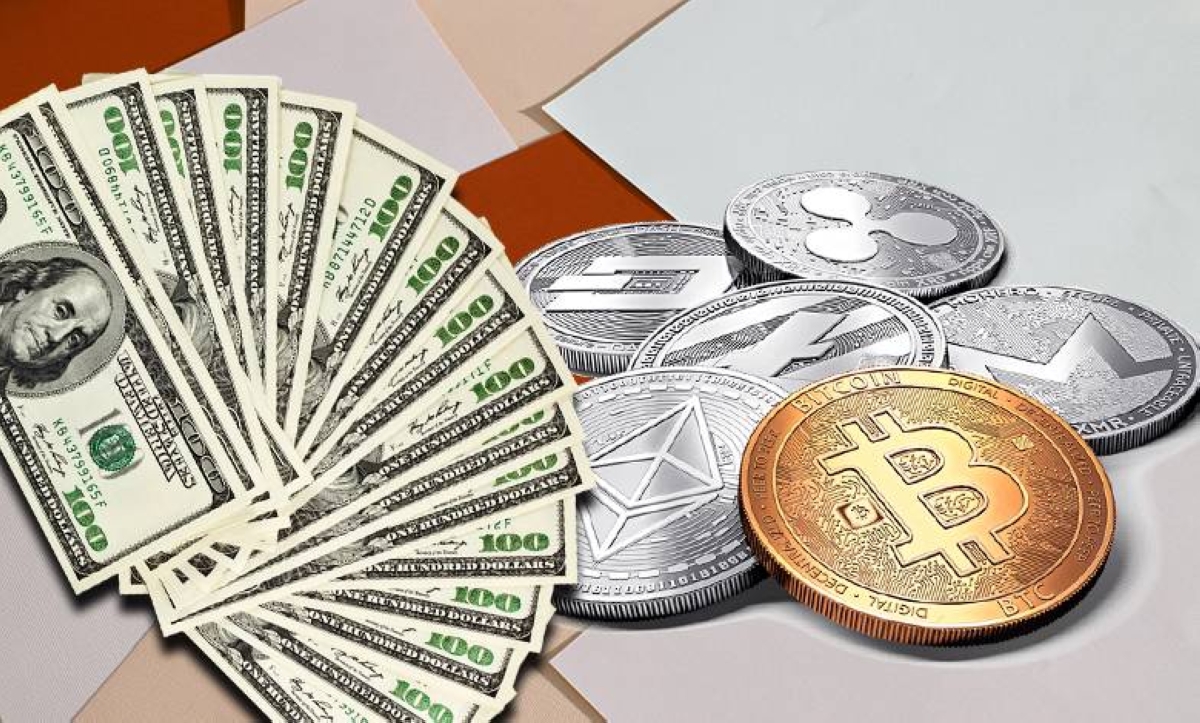
في العصر الرقمي، اتخذت الظاهرة بعدا جديدا، حيث أصبحت العملات الرقمية مثل البيتكوين أداة فعالة لإخفاء الأموال نظرا لصعوبة تتبعها، وانتقل الغسل إلى الإنترنت مستفيدا من السرعة وسهولة الإخفاء. حتى بعض البثوث المباشرة على المنصات الرقمية تحولت إلى غطاء لتمرير الأموال عبر الهدايا الافتراضية، ما يفرض تحديات متزايدة على الجهات الرقابية حول العالم.
Money laundering is defined as the process of concealing illegal profits and converting them into funds that appear legitimate for trading. Its roots trace back to the 1920s in the United States, when the prohibition of alcohol from 1920 to 1933 led to a boom in underground mafia trade, where gangs like Al Capone's resorted to using laundromats as a front to integrate profits from the alcohol trade with legal revenues.
The laundering process goes through three main stages: introducing illegal funds into the financial system, then obscuring their trace through complex financial transactions, and finally integrating them into the legitimate economy to make them difficult to track. Over time, methods have evolved from direct cash deposits to complex bank transfers, taking advantage of international financial networks.
In the digital age, the phenomenon has taken on a new dimension, as digital currencies like Bitcoin have become an effective tool for concealing money due to their difficulty in being traced, and laundering has moved online, benefiting from speed and ease of concealment. Even some live broadcasts on digital platforms have turned into a cover for passing money through virtual gifts, posing increasing challenges for regulatory authorities around the world.