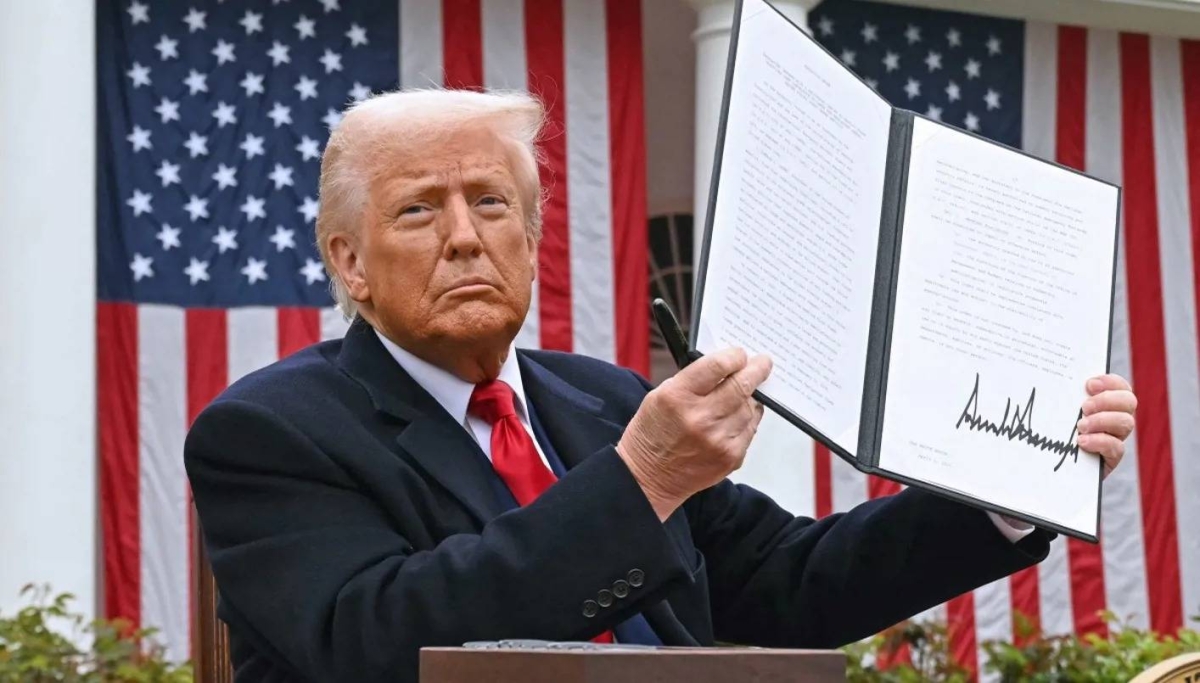
دخلت الرسوم الجمركية الجديدة التي أعلن عنها الرئيس الأمريكي دونالد ترمب حيز التنفيذ اليوم (الخميس)، مستهدفة عشرات الدول بمعدلات تصل إلى 50% على مجموعة واسعة من السلع، كجزء من استراتيجية ترمب لتقليص العجز التجاري الأمريكي وتعزيز الصناعات المحلية، وسط انتقادات دولية حادة ومخاوف من تأثيرات اقتصادية عالمية طويلة الأمد.
وتشمل الرسوم الجمركية، التي تُفرض بموجب قانون الطوارئ الاقتصادية الدولية، ضريبة أساسية بنسبة 10% على جميع الدول، مع رسوم إضافية تصل إلى 41% على دول مثل البرازيل والصين والهند، التي لديها عجز تجاري كبير مع الولايات المتحدة.
وأشار ترمب في منشور له إلى أن هذه الرسوم ستضخ «مليارات الدولارات» في الاقتصاد الأمريكي، متهمًا دولًا أخرى بـ«استغلال» الولايات المتحدة تجاريًا لعقود، وتستهدف الرسوم مجموعة واسعة من المنتجات، باستثناء سلع محددة مثل الأدوية وأشباه الموصلات وبعض المعادن الحرجة، بينما تُفرض رسوم إضافية على السلع غير المشمولة باتفاقية التجارة الحرة الأمريكية الشمالية، مثل 25% على الواردات من كندا والمكسيك غير المتوافقة مع الاتفاقية.
وتُعد هذه الرسوم جزءًا من استراتيجية ترمب التي بدأها خلال ولايته الأولى، حيث فرض رسومًا على الصين ودول أخرى لمواجهة ما وصفه بـ«الممارسات التجارية غير العادلة»، وفي أبريل الماضي، أعلن ترمب عن فرض رسوم متبادلة لمعالجة العجز التجاري، مستندًا إلى إعلان حالة طوارئ اقتصادية بسبب «اختلال التوازن التجاري» و«السياسات غير المتبادلة» من الدول الأخرى.
وقد واجهت هذه السياسة تحديات قانونية، حيث قضت محكمة التجارة الدولية الأمريكية في مايو 2025 بأن بعض الرسوم غير قانونية، لكنها ظلت سارية أثناء الاستئناف.
اقتصاديًا، حذر خبراء من أن الرسوم ستؤدي إلى ارتفاع الأسعار في الولايات المتحدة، حيث أكدت شركات عالمية أنها سترفع أسعار منتجاتها بسبب التكاليف الإضافية، حيث تشير تقديرات مؤسسة الضرائب إلى أن الرسوم ستزيد العبء الضريبي على الأسر الأمريكية بمتوسط 1300 دولار سنويًا، كما أن الرسوم أدت إلى تأخيرات في التفتيش الجمركي عند الحدود الأمريكية، مما يعقد سلاسل التوريد العالمية.
وأثارت الرسوم جدلًا داخليًا في الولايات المتحدة، حيث انتقد بعض الجمهوريين والديمقراطيين هذه السياسة، معتبرين أنها ستضر بالمستهلكين الأمريكيين، ومع ذلك، يصر ترمب على أن الرسوم ستعزز التصنيع المحلي وتقلل من الاعتماد على الواردات، خصوصاً من الصين، التي تواجه الآن رسومًا تصل إلى 245% بسبب الرسوم المتبادلة والإجراءات المتعلقة بأزمة الفنتانيل.
وتؤثر الرسوم الجديدة على ملايين الأسر والشركات حول العالم، حيث أعربت دول مثل الهند عن استياءها، واصفة الرسوم بـ«غير المبررة»، بينما حاولت دول أخرى مثل بريطانيا وفيتنام التفاوض لخفض الرسوم، وتشير التقديرات إلى أن الرسوم ستولد أكثر من 264 مليار دولار من الإيرادات للحكومة الأمريكية بحلول نهاية 2024، لكنها قد تقلل الناتج المحلي الأمريكي بنسبة ضئيلة وتؤدي إلى خسارة 27,000 وظيفة بسبب الرسوم المضادة من الدول الأخرى.
The new tariffs announced by U.S. President Donald Trump came into effect today (Thursday), targeting dozens of countries with rates reaching up to 50% on a wide range of goods, as part of Trump's strategy to reduce the U.S. trade deficit and boost domestic industries, amid sharp international criticism and concerns about long-term global economic impacts.
The tariffs, imposed under the International Economic Emergency Act, include a base tax of 10% on all countries, with additional tariffs of up to 41% on countries like Brazil, China, and India, which have significant trade deficits with the United States.
Trump noted in a post that these tariffs will inject "billions of dollars" into the U.S. economy, accusing other countries of "exploiting" the United States commercially for decades. The tariffs target a wide range of products, excluding specific goods such as pharmaceuticals, semiconductors, and some critical metals, while additional tariffs are imposed on goods not covered by the North American Free Trade Agreement, such as 25% on imports from Canada and Mexico that do not comply with the agreement.
These tariffs are part of Trump's strategy that he initiated during his first term, where he imposed tariffs on China and other countries to address what he described as "unfair trade practices." Last April, Trump announced reciprocal tariffs to address the trade deficit, citing a state of economic emergency due to "trade imbalances" and "non-reciprocal policies" from other countries.
This policy has faced legal challenges, as the U.S. International Trade Court ruled in May 2025 that some tariffs were illegal, but they remained in effect during the appeal.
Economically, experts warned that the tariffs will lead to price increases in the United States, as global companies confirmed they would raise prices on their products due to the additional costs. Tax Foundation estimates indicate that the tariffs will increase the tax burden on American families by an average of $1,300 annually, and the tariffs have caused delays in customs inspections at the U.S. border, complicating global supply chains.
The tariffs have sparked internal debate in the United States, with some Republicans and Democrats criticizing this policy, arguing that it will harm American consumers. Nevertheless, Trump insists that the tariffs will enhance domestic manufacturing and reduce reliance on imports, especially from China, which now faces tariffs of up to 245% due to reciprocal tariffs and actions related to the fentanyl crisis.
The new tariffs affect millions of families and businesses around the world, with countries like India expressing their discontent, describing the tariffs as "unjustified," while other countries like the UK and Vietnam have attempted to negotiate for lower tariffs. Estimates suggest that the tariffs will generate more than $264 billion in revenue for the U.S. government by the end of 2024, but they may slightly reduce U.S. GDP and lead to a loss of 27,000 jobs due to counter-tariffs from other countries.