


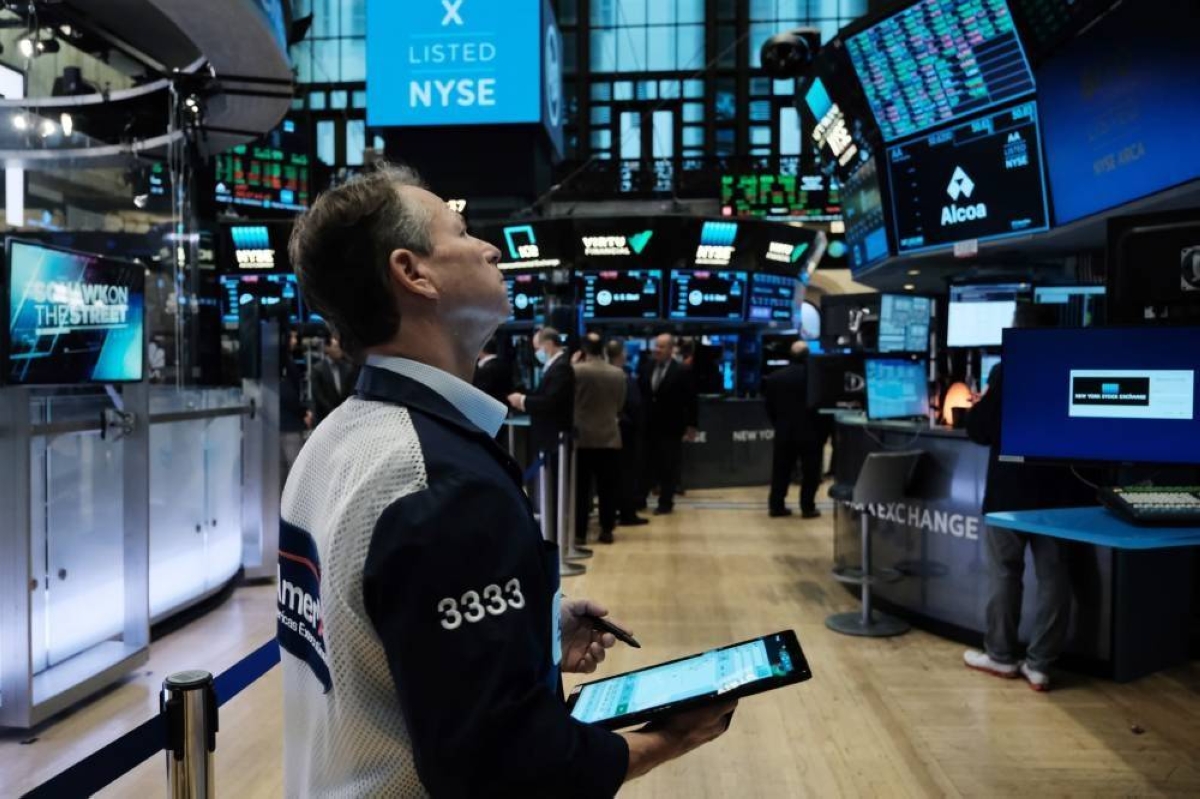
صعدت مؤشرات الأسهم الآسيوية، أمس، مقتفية أثر ارتفاع الأسهم الأمريكية «وول ستريت» التي استعادت معظم خسائرها الحادة التي تكبدتها الأسبوع الماضي.
وارتفع مؤشر نيكي 225 الياباني بنسبة 6.0%، ليصل إلى 81.40515 نقطة، كما زاد مؤشر كوسبي الكوري الجنوبي بنسبة 4.1% ليصل إلى 57.3192 نقطة، كما ارتفع مؤشر هانج سنج في هونج كونج بنسبة 3.0% ليصل إلى 67.24799 نقطة، وارتفع مؤشر شنغهاي المركب بنسبة 5.0% ليصل إلى 13.3602 نقطة.
وارتفع مؤشر ستاندرد آند بورز/إيه إس إكس 200 الأسترالي بنسبة 1.1% ليصل إلى 90.8759 نقطة، وصعد أيضاً مؤشر سيت التايلندي بنسبة 1.1%. وكان مؤشر سينسكس الهندي الاستثناء الوحيد، إذ تراجع بنسبة 5.0%.
وكانت الأسواق قد شهدت جلسة حمراء نهاية الأسبوع الماضي، إذ تراجع داو جونز بأكثر من 500 نقطة، وخسر «أس أند بي 500» نحو 1.6 %، وهبط ناسداك بنسبة 2.2%، في أسوأ أداء يومي للمؤشرين منذ 21 مايو و21 أبريل الماضي على التوالي.
ويقيّم المستثمرون الآن انعكاسات ضعف سوق العمل الأمريكي على الأسابيع القادمة، وسط تراجع التوقعات بخفض أسعار الفائدة في سبتمبر، بعد أن أبقى الاحتياطي الفيدرالي سعر الفائدة الرئيسي ثابتاً للاجتماع الخامس على التوالي.
بعد استعادة خسائرها الحادة.. أسواق آسيا تقتفي أثر ارتفاع «وول ستريت»
5 أغسطس 2025 - 17:33
|
آخر تحديث 5 أغسطس 2025 - 17:33


تابع قناة عكاظ على الواتساب
«عكاظ» (بانكوك)
Asian stock indices rose yesterday, following the upward trend of U.S. stocks on Wall Street, which regained most of the sharp losses incurred last week.
The Japanese Nikkei 225 index increased by 6.0%, reaching 81,405.15 points, while the South Korean KOSPI index rose by 4.1% to 57,319.2 points. The Hang Seng index in Hong Kong also climbed by 3.0%, reaching 67,247.99 points, and the Shanghai Composite Index increased by 5.0%, reaching 13,360.2 points.
The Australian S&P/ASX 200 index rose by 1.1%, reaching 90,875.9 points, and the Thai SET index also increased by 1.1%. The Indian Sensex index was the only exception, as it fell by 5.0%.
The markets experienced a red session at the end of last week, with the Dow Jones dropping by more than 500 points, the S&P 500 losing about 1.6%, and the Nasdaq falling by 2.2%, marking the worst daily performance for the two indices since May 21 and April 21, respectively.
Investors are now assessing the implications of the weak U.S. labor market for the coming weeks, amid declining expectations for interest rate cuts in September, after the Federal Reserve kept the key interest rate unchanged for the fifth consecutive meeting.
The Japanese Nikkei 225 index increased by 6.0%, reaching 81,405.15 points, while the South Korean KOSPI index rose by 4.1% to 57,319.2 points. The Hang Seng index in Hong Kong also climbed by 3.0%, reaching 67,247.99 points, and the Shanghai Composite Index increased by 5.0%, reaching 13,360.2 points.
The Australian S&P/ASX 200 index rose by 1.1%, reaching 90,875.9 points, and the Thai SET index also increased by 1.1%. The Indian Sensex index was the only exception, as it fell by 5.0%.
The markets experienced a red session at the end of last week, with the Dow Jones dropping by more than 500 points, the S&P 500 losing about 1.6%, and the Nasdaq falling by 2.2%, marking the worst daily performance for the two indices since May 21 and April 21, respectively.
Investors are now assessing the implications of the weak U.S. labor market for the coming weeks, amid declining expectations for interest rate cuts in September, after the Federal Reserve kept the key interest rate unchanged for the fifth consecutive meeting.


