


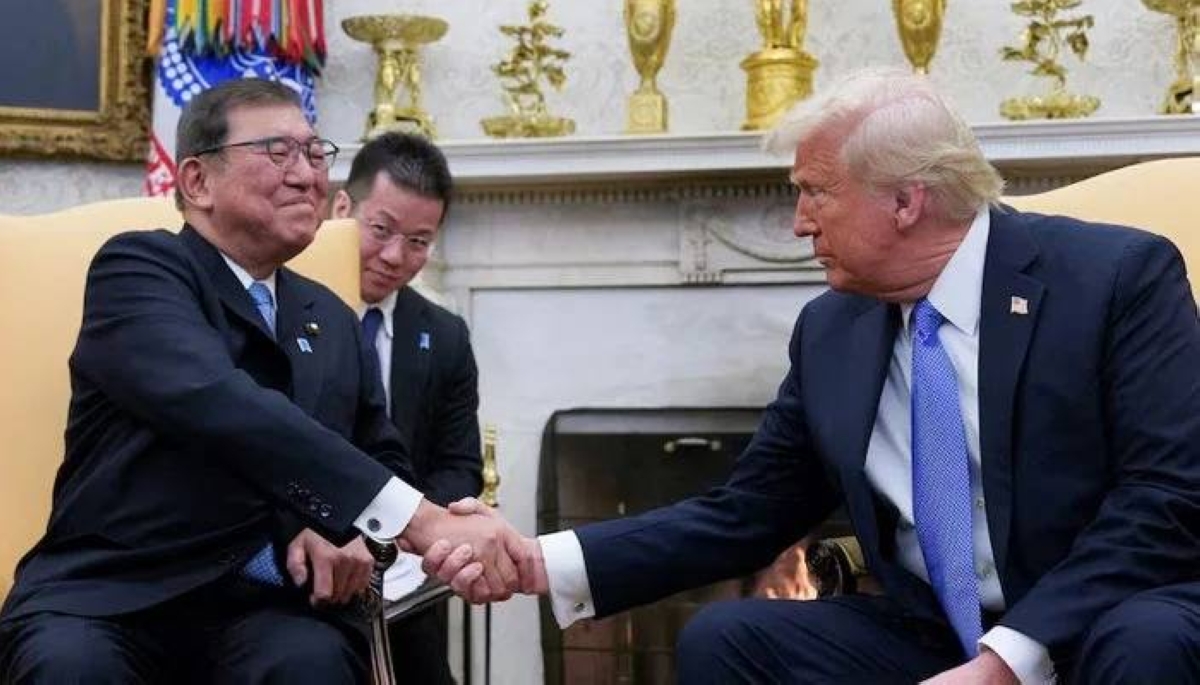
وقّع الرئيس الأمريكي دونالد ترمب اتفاقية تجارية مع اليابان تهدف إلى خفض الرسوم الجمركية على واردات السيارات اليابانية إلى الولايات المتحدة من 27.5% إلى 15%، مع إلغاء رسوم إضافية كانت مقررة على سلع يابانية أخرى بنسبة 25% بدءاً من أغسطس 2025.
وفي المقابل، التزمت اليابان بحزمة استثمارات وقروض بقيمة 550 مليار دولار موجهة إلى الولايات المتحدة، مع التركيز على قطاعات حيوية مثل الأدوية والرقائق الإلكترونية.
وتُعد هذه الاتفاقية الأبرز ضمن سلسلة اتفاقيات تجارية أبرمها ترمب منذ فرضه رسوماً جمركية عالمية في أبريل الماضي، رغم أن التفاصيل الدقيقة للاتفاقية لم تُكشف بالكامل بعد.
وقد أدى الإعلان عن الاتفاقية إلى ارتفاع مؤشر نيكي الياباني بنحو 4%، ليصل إلى أعلى مستوى له خلال عام، مع صعود أسهم شركات السيارات اليابانية.
ووصف ترمب الاتفاقية عبر منصته «تروث سوشال» بأنها «أكبر صفقة تجارية في التاريخ»، مؤكداً على العلاقات الوطيدة بين الولايات المتحدة واليابان.
من جانبه، أشاد رئيس الوزراء الياباني شيغيرو إيشيبا بالاتفاقية، معتبراً أنها تتضمن أدنى معدل رسوم جمركية مطبق بين الدول التي تحقق فائضاً تجارياً مع الولايات المتحدة.
ونفى إيشيبا تقارير عن استقالته بعد خسارته في الانتخابات، واصفاً إياها بالشائعات غير المؤسسة.
وبلغ حجم التجارة الثنائية بين البلدين في 2024 حوالى 230 مليار دولار، مع فائض تجاري ياباني يقارب 70 مليار دولار، وستزيد اليابان من مشترياتها من المنتجات الزراعية الأمريكية مثل الأرز، دون المساس بالقطاع الزراعي الياباني، وفقاً لإيشيبا.
كما ستُلغي اليابان اختبارات السلامة الإضافية على السيارات والشاحنات الأمريكية المستوردة، مما يعزز صادرات السيارات الأمريكية.
على صعيد آخر، أعربت شركات السيارات الأمريكية عن استيائها من الاتفاقية، معتبرة أن خفض الرسوم على السيارات اليابانية دون تقليص الرسوم على الواردات من كندا والمكسيك (التي تظل عند 25%) يضر بالصناعة الأمريكية.
وقال رئيس المجلس الأمريكي لسياسات السيارات مات بلانت، إن هذا الوضع غير عادل للعمال والصناعة الأمريكية.
وأشاد نائب محافظ بنك اليابان، شينيتشي أوشيدا، بالاتفاقية، معتبراً أنها تقلل من عدم اليقين الاقتصادي.
بـ 550 مليار دولار.. صفقة تجارية تاريخية بين أمريكا واليابان
23 يوليو 2025 - 18:47
|
آخر تحديث 23 يوليو 2025 - 18:47


تابع قناة عكاظ على الواتساب
محمد صديق (القاهرة)
President Donald Trump signed a trade agreement with Japan aimed at reducing tariffs on Japanese car imports to the United States from 27.5% to 15%, along with the elimination of additional tariffs that were set on other Japanese goods at 25% starting August 2025.
In return, Japan committed to a package of investments and loans worth $550 billion directed towards the United States, focusing on vital sectors such as pharmaceuticals and semiconductors.
This agreement is the most significant among a series of trade agreements Trump has made since imposing global tariffs last April, although the precise details of the agreement have not yet been fully disclosed.
The announcement of the agreement led to a nearly 4% rise in the Japanese Nikkei index, reaching its highest level in a year, alongside a surge in shares of Japanese car companies.
Trump described the agreement on his platform "Truth Social" as "the largest trade deal in history," emphasizing the close relations between the United States and Japan.
For his part, Japanese Prime Minister Shigeru Ishiba praised the agreement, considering it to include the lowest tariff rate applied among countries that have a trade surplus with the United States.
Ishiba denied reports of his resignation following his election loss, describing them as unfounded rumors.
The volume of bilateral trade between the two countries in 2024 was about $230 billion, with a Japanese trade surplus of nearly $70 billion, and Japan will increase its purchases of American agricultural products such as rice, without harming the Japanese agricultural sector, according to Ishiba.
Japan will also eliminate additional safety tests on imported American cars and trucks, which will boost American car exports.
On another note, American car companies expressed their dissatisfaction with the agreement, considering that reducing tariffs on Japanese cars without cutting tariffs on imports from Canada and Mexico (which remain at 25%) harms the American industry.
Matt Blunt, president of the American Automotive Policy Council, stated that this situation is unfair to American workers and the industry.
Shinichi Uchida, Deputy Governor of the Bank of Japan, praised the agreement, considering that it reduces economic uncertainty.
In return, Japan committed to a package of investments and loans worth $550 billion directed towards the United States, focusing on vital sectors such as pharmaceuticals and semiconductors.
This agreement is the most significant among a series of trade agreements Trump has made since imposing global tariffs last April, although the precise details of the agreement have not yet been fully disclosed.
The announcement of the agreement led to a nearly 4% rise in the Japanese Nikkei index, reaching its highest level in a year, alongside a surge in shares of Japanese car companies.
Trump described the agreement on his platform "Truth Social" as "the largest trade deal in history," emphasizing the close relations between the United States and Japan.
For his part, Japanese Prime Minister Shigeru Ishiba praised the agreement, considering it to include the lowest tariff rate applied among countries that have a trade surplus with the United States.
Ishiba denied reports of his resignation following his election loss, describing them as unfounded rumors.
The volume of bilateral trade between the two countries in 2024 was about $230 billion, with a Japanese trade surplus of nearly $70 billion, and Japan will increase its purchases of American agricultural products such as rice, without harming the Japanese agricultural sector, according to Ishiba.
Japan will also eliminate additional safety tests on imported American cars and trucks, which will boost American car exports.
On another note, American car companies expressed their dissatisfaction with the agreement, considering that reducing tariffs on Japanese cars without cutting tariffs on imports from Canada and Mexico (which remain at 25%) harms the American industry.
Matt Blunt, president of the American Automotive Policy Council, stated that this situation is unfair to American workers and the industry.
Shinichi Uchida, Deputy Governor of the Bank of Japan, praised the agreement, considering that it reduces economic uncertainty.


