


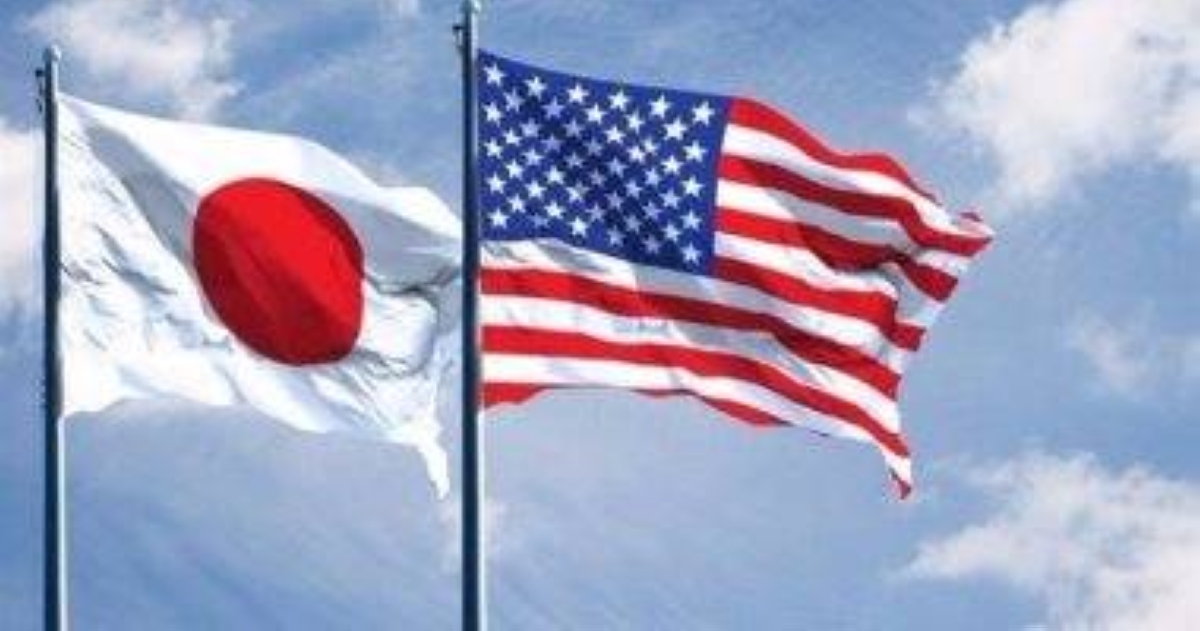
توصلت الولايات المتحدة الأمريكية واليابان إلى اتفاق لخفض الرسوم الجمركية إلى نسبة 15% على الصادرات اليابانية إلى أمريكا، بعدما كانت مقررة بنسبة 25% المقترحة في السابق، وذلك قبل الموعد النهائي لفرض رسوم أكبر، المقررة بالأول من أغسطس القادم.
وقال الرئيس الأمريكي دونالد ترمب: «وقعتُ للتو أكبر اتفاقية تجارية في التاريخ مع اليابان وهذه فترة مميزة للغاية للولايات المتحدة الأمريكية، خصوصاً أننا سنحافظ دائماً على علاقة ممتازة مع اليابان».
بدوره، أشاد رئيس الوزراء الياباني شيجيرو إيشيبا بالاتفاق ووصفه بأنه «أقل رقم بين الدول التي لديها فائض تجاري مع الولايات المتحدة».
وأشار إيشيبا إلى أن الجانبين اتفقا أيضاً على خفض الرسوم الجمركية المفروضة بالفعل على السيارات اليابانية من 25 إلى 15%، إذ تمثّل صادرات السيارات أكثر من ربع صادرات اليابان إلى أمريكا.
وكان وزير التجارة الأمريكي هوارد لوتنيك قد أعلن في وقت سابق، أنه واثق من قدرة الولايات المتحدة على إبرام اتفاق تجاري مع الاتحاد الأوروبي.
وقال لوتنيك: «أنا واثق من أننا سنبرم اتفاقاً»، منوهاً إلى أنه تحدث مع المفاوضين التجاريين الأوروبيين صباح اليوم.
ونقلت صحيفة «فاينانشال تايمز» عن مصادر، أن الرئيس الأمريكي دونالد ترمب رفض طلب الاتحاد الأوروبي بخفض الرسوم على السيارات.
وأفادت الصحيفة أن ترمب يضغط من أجل فرض رسوم جمركية تراوح بين 15 و20% كحد أدنى في أي اتفاق مع الاتحاد الأوروبي، موضحة أن الإدارة الأمريكية تبحث حالياً عن معدل رسم متبادل يتجاوز 10% حتى لو تم التوصل إلى اتفاق.
ونقلت الصحيفة عن مصادر، لم تكشف عنها، قولها إن ترمب لم يتأثر بالعرض الأخير الذي قدمه الاتحاد الأوروبي لتخفيض الرسوم الجمركية على السيارات، وسيبقي الرسوم على هذا القطاع عند 25% وفقاً لما هو مخطط له.
وقالت الصحيفة إن المفوضية الأوروبية تستعد لوضع قائمة برسوم جمركية محتملة على الخدمات الأمريكية، إلى جانب قيود على الصادرات، وذلك كجزء من إجراءات انتقامية محتملة إذا فشلت المحادثات التجارية مع واشنطن، بحسب ما أفاد مسؤولان مطلعان على تفاصيل المحادثات.
ورغم أن بروكسل سبق أن حذرت من توسيع نطاق الحرب التجارية عبر الأطلسي لتشمل قطاع الخدمات إذا فشلت المفاوضات في تجنب هذه الرسوم، فإنها امتنعت حتى الآن عن تقديم تدابير ملموسة للعواصم الأوروبية. وأكد أحد المسؤولين أن القائمة لن تقتصر فقط على شركات التكنولوجيا الأمريكية.
ومن المتوقع أن تُضاف هذه القائمة إلى اقتراح حالي بالرد على واردات أمريكية سنوية تبلغ قيمتها 72 مليار يورو، وهي تشمل بالفعل فرض رسوم على طائرات بوينغ والسيارات وبعض المشروبات الكحولية.
بنسبة 15%.. اتفاق أمريكي-ياباني لخفض رسوم الجمارك
23 يوليو 2025 - 15:48
|
آخر تحديث 23 يوليو 2025 - 15:48


تابع قناة عكاظ على الواتساب
«عكاظ» (واشنطن)
The United States and Japan have reached an agreement to reduce tariffs to 15% on Japanese exports to America, down from the previously proposed 25%, ahead of the deadline for imposing higher tariffs set for August 1.
U.S. President Donald Trump stated, "I just signed the largest trade agreement in history with Japan, and this is a very special time for the United States, especially since we will always maintain an excellent relationship with Japan."
For his part, Japanese Prime Minister Shigeru Ishiba praised the agreement, describing it as "the lowest figure among countries with a trade surplus with the United States."
Ishiba noted that both sides also agreed to reduce the existing tariffs on Japanese cars from 25% to 15%, as car exports represent more than a quarter of Japan's exports to America.
Earlier, U.S. Commerce Secretary Howard Lutnick announced that he is confident in the United States' ability to reach a trade agreement with the European Union.
Lutnick said, "I am confident that we will reach an agreement," noting that he spoke with European trade negotiators this morning.
The Financial Times reported from sources that President Donald Trump rejected the European Union's request to lower tariffs on cars.
The newspaper stated that Trump is pushing for tariffs ranging from 15% to 20% as a minimum in any agreement with the European Union, explaining that the U.S. administration is currently looking for a reciprocal tariff rate exceeding 10% even if an agreement is reached.
The newspaper quoted unnamed sources saying that Trump was not swayed by the recent offer from the European Union to reduce tariffs on cars and will keep the tariffs on this sector at 25% as planned.
The newspaper reported that the European Commission is preparing to put together a list of potential tariffs on American services, along with restrictions on exports, as part of possible retaliatory measures if trade talks with Washington fail, according to two officials familiar with the details of the talks.
Although Brussels has previously warned against expanding the transatlantic trade war to include the services sector if negotiations fail to avoid these tariffs, it has so far refrained from providing concrete measures to European capitals. One official confirmed that the list will not be limited to American technology companies.
This list is expected to be added to a current proposal in response to annual American imports worth 72 billion euros, which already includes tariffs on Boeing aircraft, cars, and some alcoholic beverages.
U.S. President Donald Trump stated, "I just signed the largest trade agreement in history with Japan, and this is a very special time for the United States, especially since we will always maintain an excellent relationship with Japan."
For his part, Japanese Prime Minister Shigeru Ishiba praised the agreement, describing it as "the lowest figure among countries with a trade surplus with the United States."
Ishiba noted that both sides also agreed to reduce the existing tariffs on Japanese cars from 25% to 15%, as car exports represent more than a quarter of Japan's exports to America.
Earlier, U.S. Commerce Secretary Howard Lutnick announced that he is confident in the United States' ability to reach a trade agreement with the European Union.
Lutnick said, "I am confident that we will reach an agreement," noting that he spoke with European trade negotiators this morning.
The Financial Times reported from sources that President Donald Trump rejected the European Union's request to lower tariffs on cars.
The newspaper stated that Trump is pushing for tariffs ranging from 15% to 20% as a minimum in any agreement with the European Union, explaining that the U.S. administration is currently looking for a reciprocal tariff rate exceeding 10% even if an agreement is reached.
The newspaper quoted unnamed sources saying that Trump was not swayed by the recent offer from the European Union to reduce tariffs on cars and will keep the tariffs on this sector at 25% as planned.
The newspaper reported that the European Commission is preparing to put together a list of potential tariffs on American services, along with restrictions on exports, as part of possible retaliatory measures if trade talks with Washington fail, according to two officials familiar with the details of the talks.
Although Brussels has previously warned against expanding the transatlantic trade war to include the services sector if negotiations fail to avoid these tariffs, it has so far refrained from providing concrete measures to European capitals. One official confirmed that the list will not be limited to American technology companies.
This list is expected to be added to a current proposal in response to annual American imports worth 72 billion euros, which already includes tariffs on Boeing aircraft, cars, and some alcoholic beverages.


