


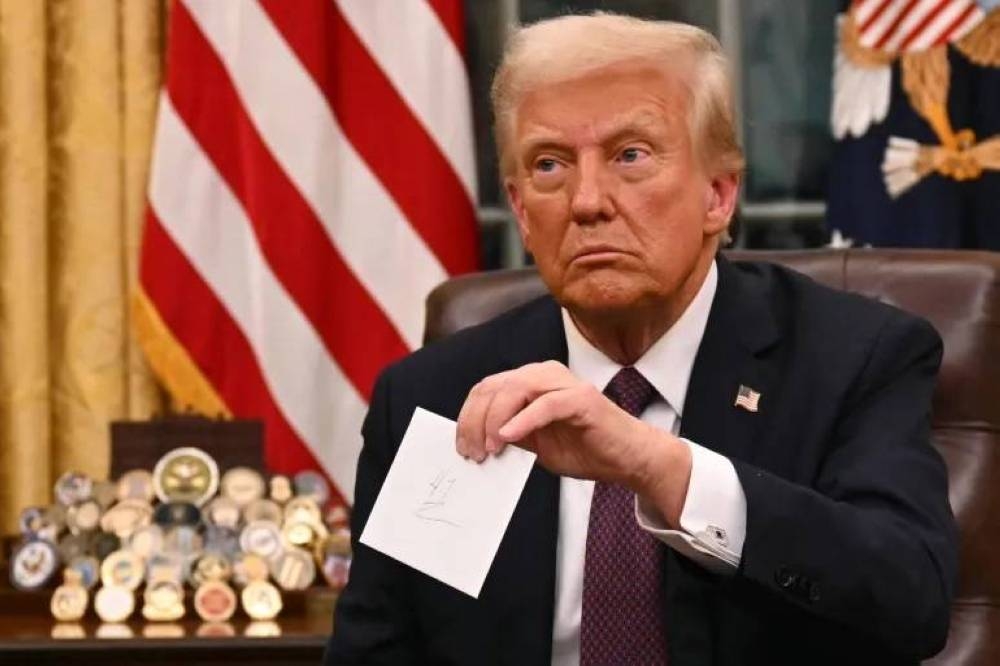
أعلن الرئيس الأمريكي دونالد ترمب، أن معدل الفائدة في أمريكا أعلى من الوضع الطبيعي بـ 3 نقاط مئوية، وجدد انتقاداته لرئيس بنك الاحتياطي الفيدرالي جيروم باول. وقال ترمب: «نريد أي شخص لرئاسة «الفيدرالي» غير جيروم باول».
وفي 18 يونيو الماضي وافق مسؤولو الاحتياطي الفيدرالي على إبقاء تكاليف الاقتراض ثابتة في نطاق يراوح بين 4.25% و4.5%.
ويطالب الرئيس الأمريكي بخفض الفائدة ويرى أن «الفيدرالي» متأخر في هذا الإجراء، وأن استمرار أسعار الفائدة مرتفعة يكلف ميزانية الولايات المتحدة مليارات الدولارات.
بينما يرى رئيس بنك الاحتياطي الفيدرالي الأمريكي جيروم باول أن الاحتياطي الفيدرالي يحتاج إلى مزيد من الوقت لاتخاذ قرار بشأن خفض الفائدة، نظراً لأن تأثير زيادة الرسوم الجمركية لم يظهر بعد.
وأشار باول إلى أنه كان سيقوم على الأرجح بخفض أسعار الفائدة هذا العام لولا رسوم ترمب الجمركية، موضحاً أن الأمر يستغرق بعض الوقت، والخيار الحكيم هو الانتظار لمعرفة المزيد حول آثار الرسوم.
وقال باول أثناء جلسة نقاشية مع مسؤولي بعض البنوك المركزية في اجتماعهم بالبرتغال مطلع يوليو الحالي: «في الواقع، توقفنا عن خفض الفائدة عندما رأينا حجم الرسوم الجمركية وتأثيرها، وبالفعل ارتفعت جميع توقعات التضخم في الولايات المتحدة بشكل كبير نتيجة لهذه الرسوم، لكننا لم نبالغ في رد الفعل، ولم نتخذ أي إجراء».
وأضاف: «نحن فقط نأخذ بعض الوقت، وطالما أن الاقتصاد الأمريكي في وضع قوي، فنعتقد أن الخيار الحكيم هو الانتظار لمعرفة المزيد ورؤية ما قد تكون عليه هذه الآثار، وحتى الآن لم تظهر فعلياً، ولذلك في الوقت الحالي نحن ننتظر».
ترمب: الفائدة أعلى من الوضع الطبيعي بـ 3 نقاط
9 يوليو 2025 - 22:35
|
آخر تحديث 9 يوليو 2025 - 22:35


تابع قناة عكاظ على الواتساب
«عكاظ» (واشنطن)
U.S. President Donald Trump announced that the interest rate in America is 3 percentage points higher than the normal situation, and he renewed his criticisms of Federal Reserve Chairman Jerome Powell. Trump said, "We want anyone to head the 'Fed' other than Jerome Powell."
On June 18, Federal Reserve officials agreed to keep borrowing costs steady in a range between 4.25% and 4.5%.
The U.S. president is calling for a rate cut and believes that the 'Fed' is behind in this action, arguing that the continued high interest rates are costing the U.S. budget billions of dollars.
Meanwhile, Federal Reserve Chairman Jerome Powell believes that the Fed needs more time to make a decision regarding a rate cut, as the impact of the increased tariffs has not yet been seen.
Powell indicated that he would likely have lowered interest rates this year were it not for Trump's tariffs, explaining that it takes some time, and the wise choice is to wait to learn more about the effects of the tariffs.
Powell said during a discussion session with officials from some central banks at their meeting in Portugal in early July: "In fact, we stopped lowering rates when we saw the magnitude of the tariffs and their impact, and indeed all inflation expectations in the United States rose significantly as a result of these tariffs, but we did not overreact, and we did not take any action."
He added: "We are just taking some time, and as long as the U.S. economy is in a strong position, we believe that the wise choice is to wait to learn more and see what these effects might be, and so far they have not actually appeared, and therefore for now we are waiting."


