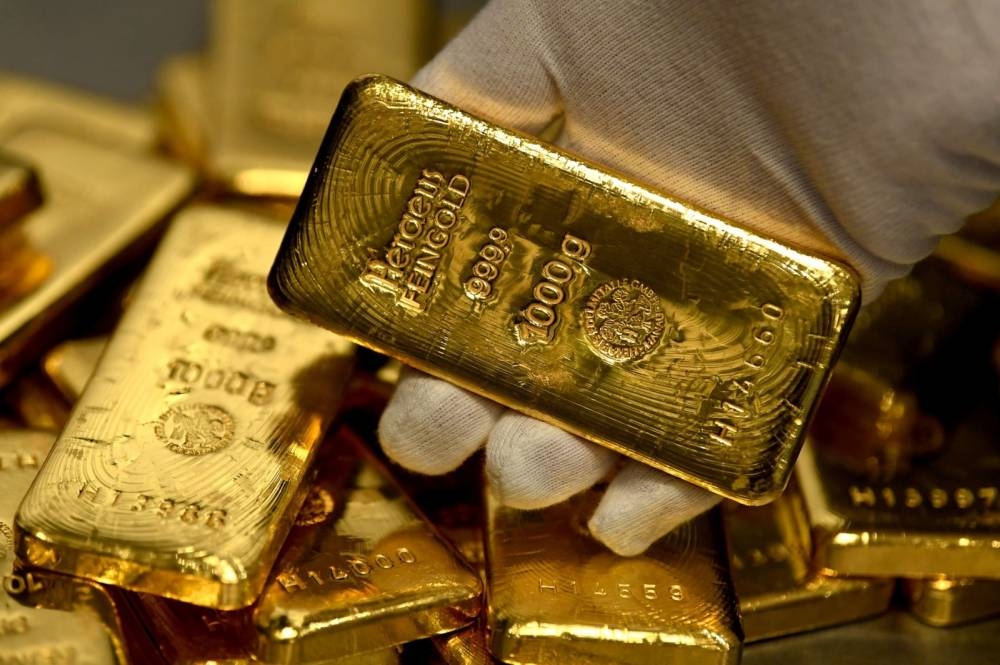
انخفضت أسعار الذهب اليوم (الأربعاء) بعد أن طغت تصريحات بنك الاحتياطي الفيدرالي الأمريكي حول استمرار التضخم على جاذبية المعدن النفيس كملاذ آمن، رغم تصاعد التوترات الجيوسياسية في الشرق الأوسط.
وأبقى الفيدرالي الأمريكي أسعار الفائدة دون تغيير، لكنه خفض توقعاته لتخفيضات الفائدة هذا العام إلى مرتين فقط، وهو ما يعكس مخاوف من ارتفاع الأسعار بسبب الرسوم الجمركية التي فرضها الرئيس دونالد ترمب منذ أبريل الماضي.
وتُداول الذهب الفوري عند مستوى 3351.59 دولار للأونصة، بانخفاض 0.5%، فيما سجلت الفضة والبلاديوم تراجعاً أيضاً.
وأشار رئيس الفيدرالي جيروم باول إلى أن السياسة النقدية ستظل حذرة في ظل توقعات بتباطؤ النمو الاقتصادي، وارتفاع التضخم، وتراجع معدلات التوظيف.
هذه التوقعات، التي تأتي كأول تقييم منذ فرض الرسوم الجمركية، قد تقلل من فرص التيسير النقدي، ما يؤثر سلباً على الذهب الذي لا يدر عائداً.
ويأتي تراجع أسعار الذهب في ظل مشهد اقتصادي عالمي معقد، فمنذ بداية 2025 شهدت الأسواق تقلبات حادة بسبب السياسات التجارية الأمريكية، التي شملت فرض رسوم جمركية جديدة على الواردات، ما أثار مخاوف من تصاعد التضخم عالمياً.
في الوقت ذاته، تستمر التوترات في الشرق الأوسط، خصوصاً بين إيران وإسرائيل، في دعم الطلب على الذهب كأصل آمن.
وعلى الرغم من الانخفاض الأخير، ارتفع الذهب بنحو 30% منذ بداية العام، مدعوماً بعمليات شراء مكثفة من البنوك المركزية، خصوصاً في آسيا، وتدفقات قوية نحو صناديق المؤشرات المتداولة.
ويعكس هذا الارتفاع الطويل الأمد ثقة المستثمرين في الذهب كحماية ضد التضخم والاضطرابات الجيوسياسية، لكنه يظل حساساً لتغيرات السياسة النقدية الأمريكية.
Gold prices fell today (Wednesday) after statements from the U.S. Federal Reserve regarding persistent inflation overshadowed the appeal of the precious metal as a safe haven, despite rising geopolitical tensions in the Middle East.
The U.S. Federal Reserve kept interest rates unchanged but lowered its expectations for interest rate cuts this year to just two, reflecting concerns about rising prices due to tariffs imposed by President Donald Trump since last April.
Spot gold is trading at $3,351.59 per ounce, down 0.5%, while silver and palladium also recorded declines.
Federal Reserve Chairman Jerome Powell indicated that monetary policy will remain cautious amid expectations of slowing economic growth, rising inflation, and declining employment rates.
These expectations, which come as the first assessment since the imposition of tariffs, may reduce the chances of monetary easing, negatively impacting gold, which does not yield a return.
The decline in gold prices comes amid a complex global economic landscape, as markets have experienced sharp fluctuations since the beginning of 2025 due to U.S. trade policies, which included new tariffs on imports, raising fears of rising inflation globally.
At the same time, tensions in the Middle East, particularly between Iran and Israel, continue to support demand for gold as a safe asset.
Despite the recent decline, gold has risen by about 30% since the beginning of the year, supported by heavy purchases from central banks, especially in Asia, and strong inflows into exchange-traded funds.
This long-term rise reflects investor confidence in gold as a hedge against inflation and geopolitical turmoil, but it remains sensitive to changes in U.S. monetary policy.