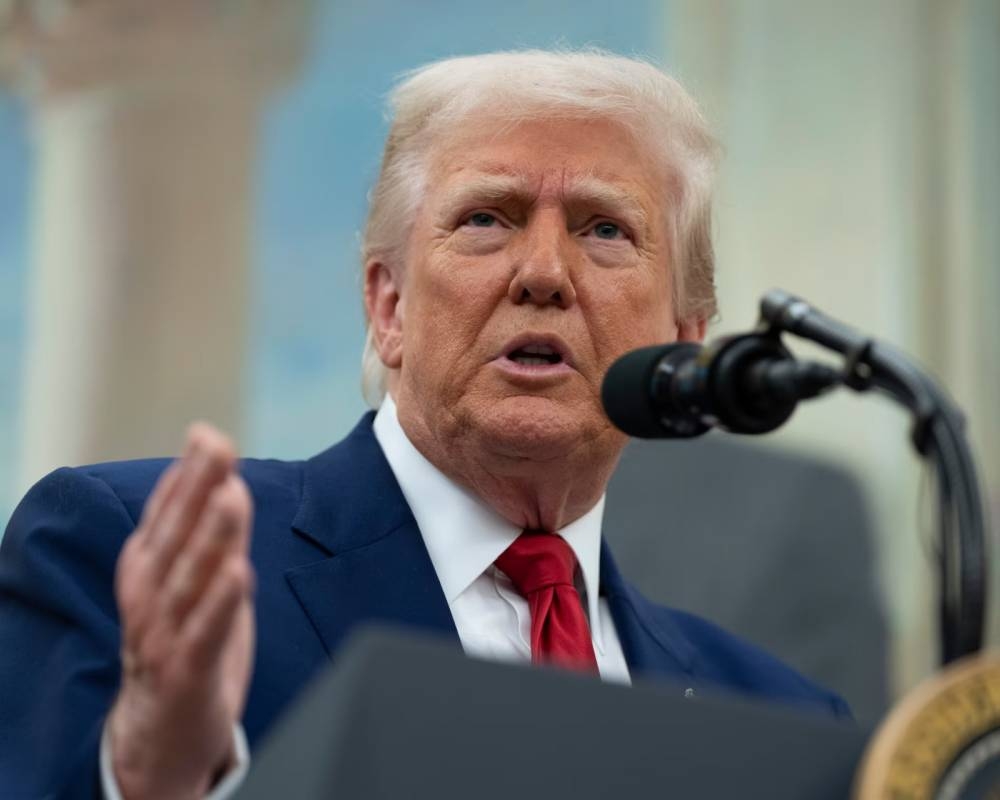
في قرار مفاجئ، أصدرت محكمة التجارة الدولية في نيويورك حكماً ببطلان التعريفات الجمركية الشاملة التي فرضها الرئيس الأمريكي دونالد ترمب، ما يشكل ضربة قوية لسياسته التجارية المثيرة للجدل.
جاء الحكم بعد دعاوى قضائية عديدة زعمت أن ترمب تجاوز سلطاته الرئاسية، ما أدى إلى حالة من الفوضى الاقتصادية عالمياً.
وحسب صحيفة «الغارديان»، اعتبرت المحكمة، المكونة من 3 قضاة، أن قرارات ترمب بفرض التعريفات الجمركية تتجاوز السلطة الممنوحة للرئيس بموجب القانون، مشيرة إلى أن القوانين الفيدرالية لا تسمح بمثل هذه الإجراءات.
وأوضحت المحكمة أن قرارها لا يتعلق بمدى حكمة أو فعالية التعريفات، بل بمدى قانونية تطبيقها من الأساس.
كان ترمب استند إلى قانون الطوارئ الاقتصادية الدولية لتبرير فرض تعريفات جمركية على معظم دول العالم، مدعياً أن العجز التجاري الأمريكي، الذي بلغ 1.2 تريليون دولار، يشكل حالة طوارئ وطنية، لكن المحكمة أبطلت هذه التعريفات، وأمرت الإدارة الأمريكية بإصدار قرارات جديدة خلال 10 أيام.
ورحبت الأسواق المالية بالقرار، حيث ارتفع الدولار الأمريكي مقابل اليورو والين والفرنك السويسري، كما سجلت الأسواق الأوروبية مكاسب، حيث ارتفع مؤشر داكس الألماني بنسبة 0.9%، وكاك 40 الفرنسي بنسبة 1%، كما شهدت الأسواق الآسيوية ارتفاعاً، مع توقعات بصعود في بورصة وول ستريت.
في المقابل، أعلنت إدارة ترمب نيتها استئناف الحكم، معتبرة أن القضاة غير المنتخبين لا يملكون سلطة تحديد كيفية التعامل مع حالة طوارئ وطنية، وفقاً لتصريح المتحدث باسم البيت الأبيض، كوش ديساي، لوكالة رويترز.
كما نائب رئيس الأركان للسياسة هاجم ستيفن ميلر الحكم، واصفاً إياه بالانقلاب القضائي.
ويهدد الحكم، إذا تم تثبيته، بتقويض استراتيجية ترمب لاستخدام التعريفات الجمركية كوسيلة للضغط على الشركاء التجاريين، واستعادة وظائف التصنيع إلى الولايات المتحدة، وتقليص العجز التجاري.
ومن دون قانون الطوارئ، ستضطر الإدارة إلى اتباع مسار أبطأ يتطلب تحقيقات تجارية طويلة الأمد وفقاً للقوانين التجارية الأخرى.
وجاء الحكم استجابة لدعويين قضائيتين: الأولى رفعها عدد من الشركات الصغيرة، بما في ذلك شركة استيراد النبيذ فوس سيليكشنز، التي حذر مالكها من أن التعريفات تهدد بإغلاق شركته.
أما الثانية فرفعتها 12 ولاية أمريكية بقيادة ولاية أوريغون، التي أكدت أن القوانين يجب أن تُحترم وأن القرارات التجارية لا يمكن أن تُتخذ بناءً على نزوات الرئيس.
وفي سياق متصل، يواجه ترمب انتقادات بسبب هجماته على الصحافة، بما في ذلك فرض قيود ودعاوى قضائية ضد وسائل إعلام تنتقد سياساته.
In a surprising decision, the International Trade Court in New York issued a ruling invalidating the comprehensive tariffs imposed by President Donald Trump, marking a significant blow to his controversial trade policy.
The ruling came after numerous lawsuits claimed that Trump exceeded his presidential powers, leading to a state of economic chaos globally.
According to the Guardian newspaper, the court, composed of three judges, found that Trump's decisions to impose tariffs exceeded the authority granted to the president under the law, noting that federal laws do not allow for such actions.
The court clarified that its decision was not about the wisdom or effectiveness of the tariffs, but rather about the legality of their application in the first place.
Trump had relied on the International Economic Emergency Act to justify imposing tariffs on most countries, claiming that the U.S. trade deficit, which reached $1.2 trillion, constituted a national emergency. However, the court overturned these tariffs and ordered the U.S. administration to issue new decisions within 10 days.
Financial markets welcomed the decision, with the U.S. dollar rising against the euro, yen, and Swiss franc. European markets also recorded gains, with the German DAX index rising by 0.9% and the French CAC 40 by 1%. Asian markets experienced an uptick as well, with expectations of a rise in the Wall Street stock exchange.
In contrast, the Trump administration announced its intention to appeal the ruling, asserting that unelected judges do not have the authority to determine how to handle a national emergency, according to White House spokesperson Kush Desai's statement to Reuters.
Additionally, Deputy Chief of Staff for Policy Stephen Miller criticized the ruling, describing it as a judicial coup.
The ruling threatens, if upheld, to undermine Trump's strategy of using tariffs as a means to pressure trading partners, bring manufacturing jobs back to the United States, and reduce the trade deficit.
Without the emergency law, the administration will have to follow a slower path that requires long-term trade investigations under other trade laws.
The ruling came in response to two lawsuits: the first was filed by several small businesses, including the wine import company Voss Selections, whose owner warned that the tariffs threaten to shut down his business.
The second was filed by 12 U.S. states led by Oregon, which asserted that laws must be respected and that trade decisions cannot be made based on the president's whims.
In a related context, Trump faces criticism for his attacks on the press, including imposing restrictions and lawsuits against media outlets that criticize his policies.