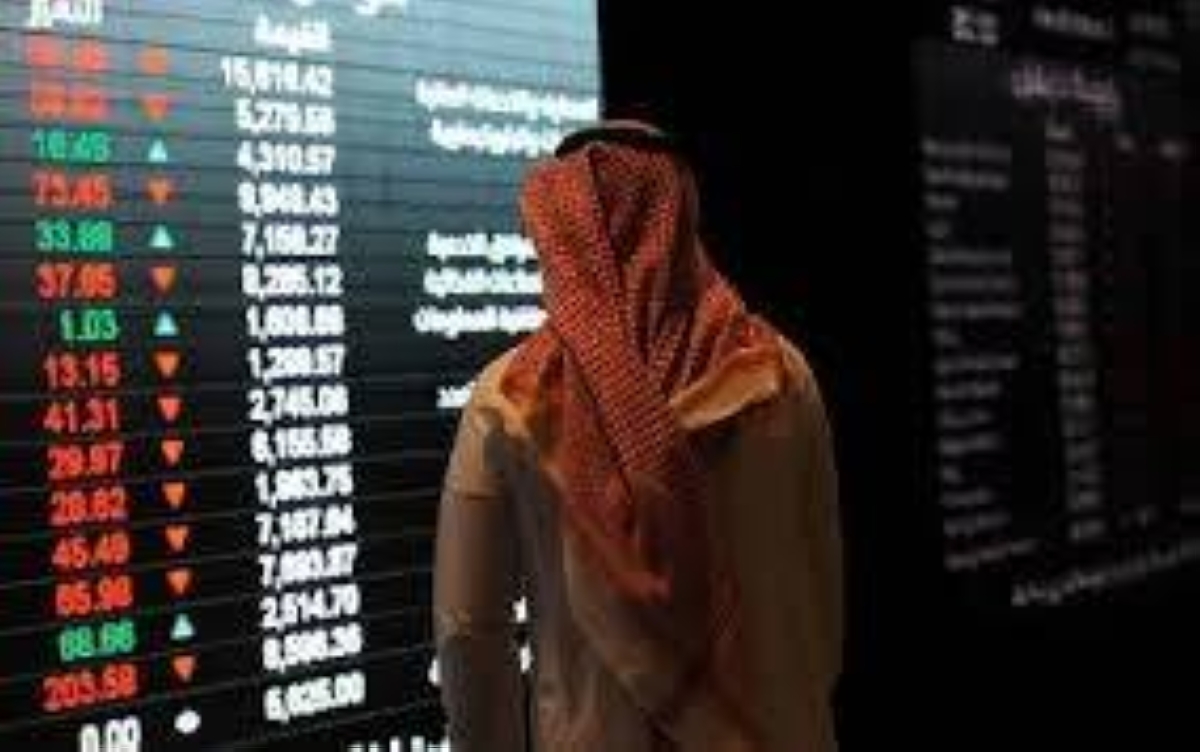
تراجعت مؤشرات الأسهم في أسواق الخليج خلال تعاملات اليوم (الأحد)، متأثرة بتصاعد حدة التوتر التجاري بين الولايات المتحدة والصين، بعد القرارات الأمريكية الأخيرة بفرض رسوم جمركية إضافية على الواردات الصينية وقيام الصين باتخاذ إجراءات تقييدية على صادرات المعادن الأرضية النادرة.
وفي السعودية، انخفض مؤشر «تاسي» الرئيسي خلال التعاملات 88.86 نقطة، ليصل إلى مستوى 11494.45 نقطة، وبتداولات بلغت قيمتها 4.6 مليار ريال، وسط موجة بيع جماعي في الأسواق الإقليمية.
كما انخفض مؤشر بورصة قطر بمقدار 108 نقاط أو 1% إلى 10.824 نقطة، في حين تراجع مؤشر سوق الكويت العام بـ61 نقطة، تعادل 0.66% ليصل إلى 9240 نقطة.
رسوم الجمارك
وفي سلطنة عمان، تراجع مؤشر سوق مسقط المالي بـ52 نقطة أو 1% إلى 5197 نقطة، بينما شهد مؤشر بورصة البحرين انخفاضاً طفيفاً مستقراً عند 1970 نقطة. والأحد يوافق العطلة الأسبوعية في الإمارات.
وجاءت هذه التراجعات في أعقاب التصريحات التصعيدية التي أدلى بها الرئيس الأمريكي دونالد ترمب، أخيراً، التي قال فيها إن بلاده تدرس زيادة هائلة في الرسوم الجمركية على الواردات الصينية، مضيفاً أنه لا يرى سبباً للاجتماع مع نظيره الصيني شي جين بينغ خلال الأسبوعين القادمين في كوريا الجنوبية.
إجراءات عدائية
وردّت وزارة التجارة الصينية بانتقاد القرارات الأمريكية، مؤكدة أن ضوابط التصدير التي فرضتها على المعادن الأرضية النادرة تأتي استجابة لسلسلة من الإجراءات الأمريكية العدائية، داعية في الوقت نفسه إلى إدارة الخلافات من خلال الحوار والمشاورات المتكافئة على أساس الاحترام المتبادل.
وتشكل هذه التطورات أحدث فصول الحرب التجارية المتجددة بين أكبر اقتصادين في العالم، التي ألقت بظلالها على الأسواق العالمية والإقليمية، إذ شهدت وول ستريت نهاية الأسبوع الماضي خسائر حادة تجاوزت تريليوني دولار، لتنتقل موجة القلق إلى الأسواق الخليجية مع بداية الأسبوع.
ويرى محللون أن استمرار التوتر بين واشنطن وبكين سيزيد من ضبابية المشهد الاقتصادي العالمي، خصوصاً في ظل ترقب المستثمرين لمدى تأثير الرسوم الجديدة على سلاسل الإمداد وأسعار السلع والطاقة، ما قد يضغط على شهية المخاطرة في الأسواق الناشئة، ومن بينها أسواق الخليج.
The stock indices in the Gulf markets declined during today's trading (Sunday), affected by the escalating trade tensions between the United States and China, following recent U.S. decisions to impose additional tariffs on Chinese imports and China's implementation of restrictive measures on rare earth metal exports.
In Saudi Arabia, the main "TASI" index fell by 88.86 points during trading, reaching a level of 11,494.45 points, with trading values amounting to 4.6 billion riyals, amid a wave of collective selling in regional markets.
The Qatar Stock Exchange index also dropped by 108 points or 1% to 10,824 points, while the Kuwait general market index decreased by 61 points, equivalent to 0.66%, reaching 9,240 points.
Customs Duties
In Oman, the Muscat Securities Market index fell by 52 points or 1% to 5,197 points, while the Bahrain Stock Exchange index saw a slight decline, stabilizing at 1,970 points. Sunday coincides with the weekend holiday in the UAE.
These declines came in the wake of the escalatory statements made by U.S. President Donald Trump, in which he stated that his country is considering a massive increase in tariffs on Chinese imports, adding that he sees no reason to meet with his Chinese counterpart Xi Jinping in the coming two weeks in South Korea.
Hostile Measures
The Chinese Ministry of Commerce responded by criticizing the U.S. decisions, affirming that the export controls it imposed on rare earth metals are a response to a series of hostile U.S. measures, while also calling for the management of disputes through dialogue and equal consultations based on mutual respect.
These developments represent the latest chapters in the renewed trade war between the world's two largest economies, which has cast a shadow over global and regional markets, as Wall Street experienced sharp losses exceeding two trillion dollars last weekend, with the wave of concern shifting to Gulf markets at the beginning of the week.
Analysts believe that the ongoing tension between Washington and Beijing will increase the uncertainty in the global economic landscape, especially as investors await the impact of the new tariffs on supply chains and commodity and energy prices, which may pressure risk appetite in emerging markets, including the Gulf markets.