


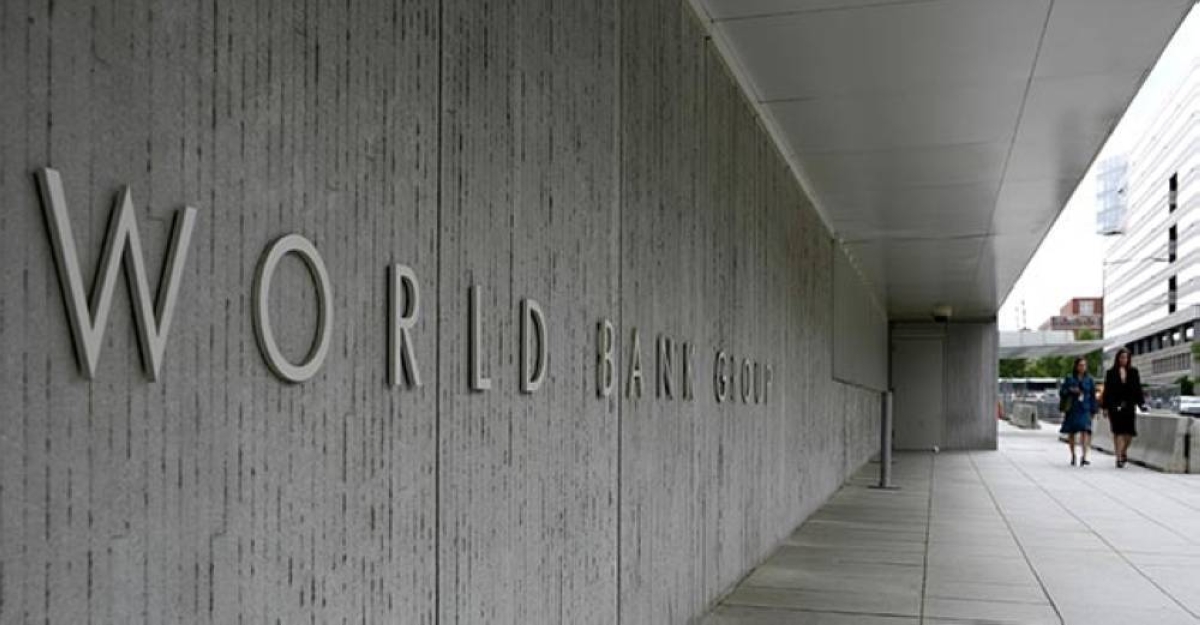
أدرجت مجموعة البنك الدولي الجزائر ضمن الشريحة العليا من البلدان متوسطة الدخل، للعام الثاني على التوالي، وذلك في تحديثها السنوي لتصنيف اقتصادات الدول الأعضاء.
وبحسب التصنيف ذاته، تعد الجزائر من بين 10 دول أفريقية ضمن الشريحة العليا من البلدان متوسطة الدخل، على غرار جنوب أفريقيا والغابون، كما جاءت إلى جانب كل من إيران وليبيا والعراق بمنطقة الشرق الأوسط وشمال أفريقيا وأفغانستان وباكستان.
وكانت مجموعة البنك الدولي قد رفعت تصنيف الجزائر العام الماضي، من الشريحة الدنيا من البلدان متوسطة الدخل إلى الشريحة العليا من البلدان متوسطة الدخل، بعد مراجعة شاملة للبيانات الاقتصادية.
وأوضحت وزارة المالية الجزائرية، آنذاك، أن هذا الرفع يعود إلى المراجعة الكاملة لإحصاءات الحسابات الوطنية التي نفذها الديوان الوطني للإحصاءات؛ بهدف المطابقة مع المعايير الدولية المعتمدة حالياً.
وقالت: «إن عملية إعادة التصنيف أخذت في الحسبان إعادة تحديد الدخل الوطني الخام من خلال رفع مستواه، فضلاً عن عوامل أخرى على غرار النتائج المسجلة خلال السنوات الأخيرة في مجال النمو وزيادة الاستثمارات العامة وتعزيز القطاعات الاقتصادية المنتجة.
من جهة أخرى، يشير التصنيف الخاص بهذا العام إلى أن نسبة بلدان منطقة الشرق الأوسط وشمال أفريقيا المصنفة في فئة الدخل المرتفع قد بلغت 35%.
ويقسم التصنيف السنوي لمجموعة البنك الدولي اقتصادات العالم إلى أربع فئات: منخفض الدخل، متوسط الدخل الأدنى، متوسط الدخل الأعلى، وعالي الدخل.
ويعتمد هذا التصنيف على تطور نصيب الفرد من الدخل القومي الإجمالي خلال العام السابق، مع الأخذ في الاعتبار مؤشرات مثل النمو الاقتصادي، والتضخم، وسعر الصرف، والنمو الديموغرافي.
ويعرّف البنك الدولي الاقتصادات منخفضة الدخل بأنها الاقتصادات التي لا يتجاوز فيها نصيب الفرد من الدخل القومي الإجمالي 1135 دولاراً في عام 2024، أما الاقتصادات متوسطة الدخل الدنيا، فهي التي يراوح فيها هذا المؤشر بين 1136 و4495 دولاراً، بينما تمتد فئة متوسطة الدخل العليا من 4496 إلى 13.9 ألف دولار، وتصنف الاقتصادات التي يتجاوز فيها نصيب الفرد هذا السقف ضمن فئة الدخل المرتفع.
«البنك الدولي»: إدراج الجزائر ضمن الشريحة العليا للبلدان متوسطة الدخل
3 أغسطس 2025 - 21:38
|
آخر تحديث 3 أغسطس 2025 - 21:38


تابع قناة عكاظ على الواتساب
«عكاظ» (الجزائر)
The World Bank Group has classified Algeria among the upper tier of middle-income countries for the second consecutive year, in its annual update of the classification of the economies of member countries.
According to the same classification, Algeria is among 10 African countries in the upper tier of middle-income countries, alongside South Africa and Gabon, as well as Iran, Libya, and Iraq in the Middle East and North Africa, and Afghanistan and Pakistan.
The World Bank Group had raised Algeria's classification last year from the lower tier of middle-income countries to the upper tier of middle-income countries, following a comprehensive review of economic data.
The Algerian Ministry of Finance explained at that time that this elevation was due to the complete review of national account statistics conducted by the National Statistics Office, aimed at aligning with currently adopted international standards.
It stated: “The reclassification process took into account the redefinition of gross national income by raising its level, in addition to other factors such as the results recorded in recent years in terms of growth, increased public investments, and the strengthening of productive economic sectors.
On another note, this year's classification indicates that the percentage of countries in the Middle East and North Africa classified in the high-income category has reached 35%.
The World Bank Group's annual classification divides the world's economies into four categories: low income, lower-middle income, upper-middle income, and high income.
This classification is based on the development of per capita gross national income during the previous year, taking into account indicators such as economic growth, inflation, exchange rates, and demographic growth.
The World Bank defines low-income economies as those where per capita gross national income does not exceed $1,135 in 2024, while lower-middle-income economies are those where this indicator ranges between $1,136 and $4,495, whereas the upper-middle-income category extends from $4,496 to $13,900, and economies where per capita income exceeds this ceiling are classified as high income.
According to the same classification, Algeria is among 10 African countries in the upper tier of middle-income countries, alongside South Africa and Gabon, as well as Iran, Libya, and Iraq in the Middle East and North Africa, and Afghanistan and Pakistan.
The World Bank Group had raised Algeria's classification last year from the lower tier of middle-income countries to the upper tier of middle-income countries, following a comprehensive review of economic data.
The Algerian Ministry of Finance explained at that time that this elevation was due to the complete review of national account statistics conducted by the National Statistics Office, aimed at aligning with currently adopted international standards.
It stated: “The reclassification process took into account the redefinition of gross national income by raising its level, in addition to other factors such as the results recorded in recent years in terms of growth, increased public investments, and the strengthening of productive economic sectors.
On another note, this year's classification indicates that the percentage of countries in the Middle East and North Africa classified in the high-income category has reached 35%.
The World Bank Group's annual classification divides the world's economies into four categories: low income, lower-middle income, upper-middle income, and high income.
This classification is based on the development of per capita gross national income during the previous year, taking into account indicators such as economic growth, inflation, exchange rates, and demographic growth.
The World Bank defines low-income economies as those where per capita gross national income does not exceed $1,135 in 2024, while lower-middle-income economies are those where this indicator ranges between $1,136 and $4,495, whereas the upper-middle-income category extends from $4,496 to $13,900, and economies where per capita income exceeds this ceiling are classified as high income.


