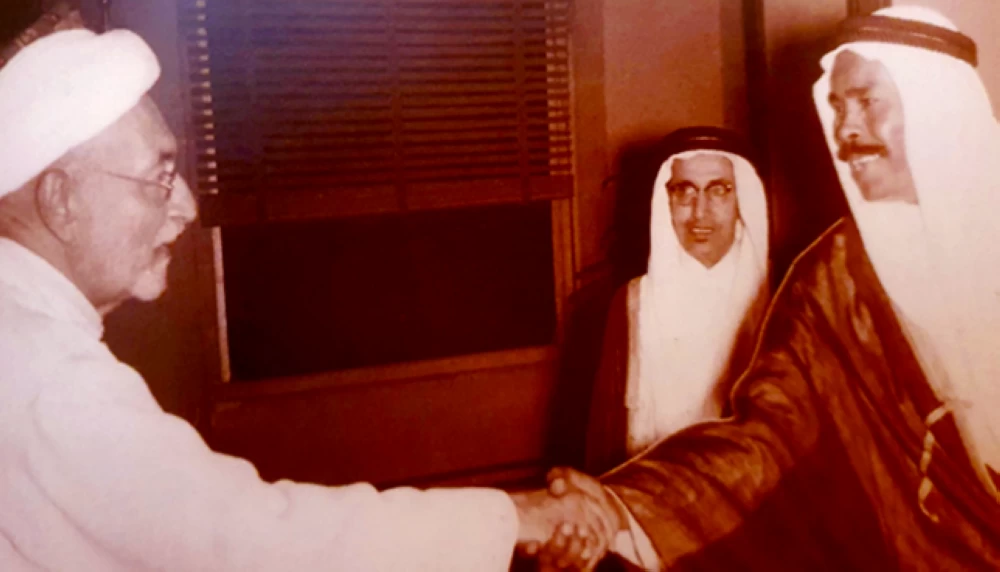
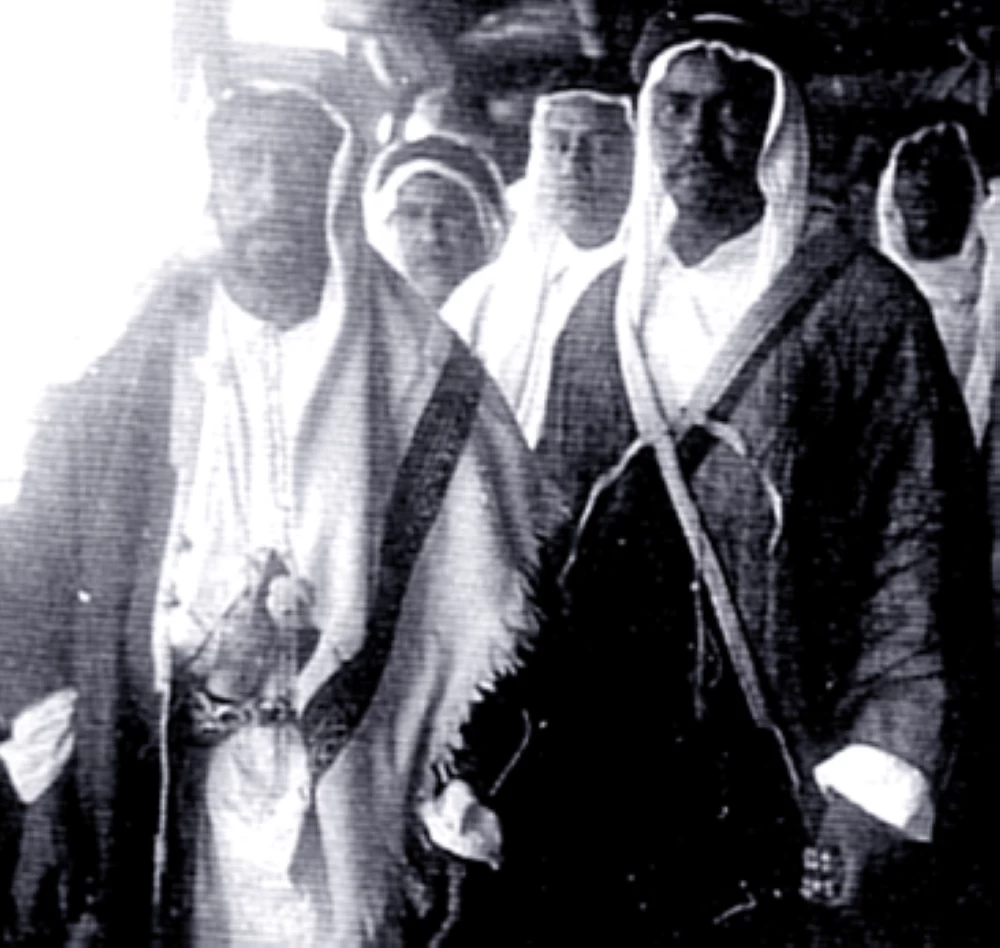
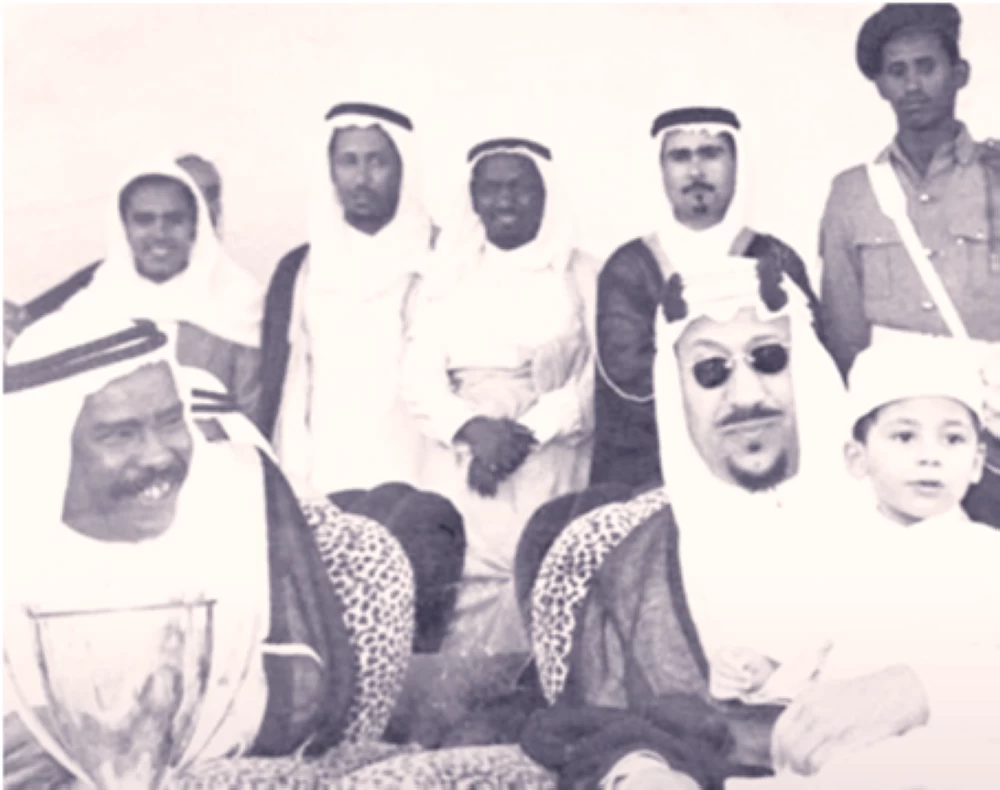
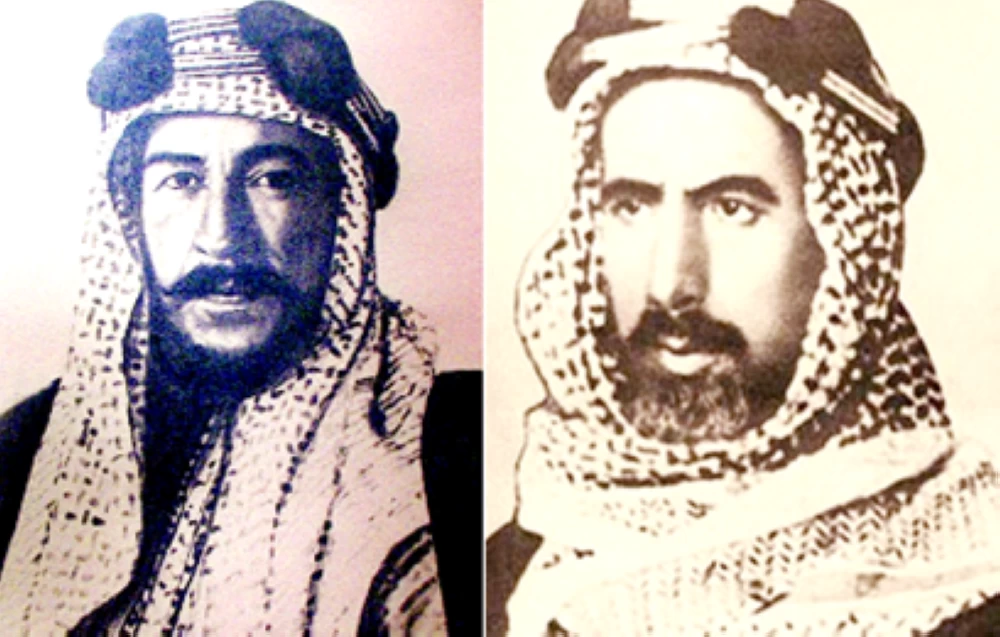
في حياة الأمم شخصيات، لئن تركت بصماتها في تاريخ أوطانها ورحلت فإن اسمها يبقى خالداً مخلداً في الذاكرة، لا سيما حين تطلق أوطانها على شوارعها أو ميادينها أو معالمها اسم تلك الشخصيات. وهذا ما فعلته دولة الكويت بعد استقلالها الناجز عن بريطانيا في 19 يونيو 1961. إذ قامت باختيار شارع الجهراء لتطلق عليه «شارع فهد السالم»، وكان هذا الاختيار موفقاً، ليس فقط لأن الشارع شهد طوراً من أطوار عمل الشيخ الراحل فهد السالم الصباح إبان توليه المناصب الحكومية قبل استقلال البلاد، وإنما لأنه أيضاً من الشوارع السياحية الرئيسية الكبرى في العاصمة الكويت، ناهيك عن أنه يقع في قلبها ويطل على العديد من أهم المباني والمعالم والفنادق والمجمعات، بل كان آنذاك الشارع الأول والأهم تجارياً وترويحياً، والأكثر ارتياداً من قبل الشباب والمتسوقين.
ومما لا شك فيه، أن مرور وارتياد أهل الكويت، خصوصاً الذين ولدوا بعد الاستقلال، لهذا الشارع الأثير، جعلهم يتساءلون عن الشيخ فهد ودوره السياسي والإداري في تاريخ الكويت، وأسباب إطلاق اسمه على المكان. وهذا ما سنحاول الإجابة عليه في هذه المادة، معتمدين على ما تيسر من معلومات منشورة عن الفقيد، ومستندين في ما قيل عنه إلى عدد من المؤلفات، وعلى رأسها كتاب مؤرخ الكويت الأول الشيخ عبدالعزيز الرشيد «تاريخ الكويت»، والذي ورد فيه: «الشاب النبيه فهد بن سالم آل الصباح هو شاب ذكي تلقى مبادئ الفقه والعقيدة والنحو والصرف والجغرافيا وغيرها في المدرسة الأحمدية بالكويت، يعجبني من هذا الشاب طموح نفسه للرحلة في طلب العلم إلى البلاد القصية، فعسى الله أن يحقق أمنيته، فالشوق وحده يكفي لتذليل الصعاب، فكيف إذا انضم إليه استعداد وذكاء؟».
كما كتب عنه الأديب والرحالة اليمني «أحمد محمد الشرماني»، الذي التقى به في زيارة صيفية إلى سوريا فتوثقت بينهما عرى الصداقة، فقال في كتابه «الجناح المحلق في سماء الشرق»: «وقد وجدت له من النبل وعلو الهمة وكمال الخلق ما جعلني أكبره في نظري إلى أبعد حد، وأجعل له في قلبي مكانة خاصة، هي به أليق، وبسمو صفاته أخلق، عرف الكثير عن رحلاتي والقصد منها، وفهم مغزاها ومرماها، فقدّر لي مجهودي، وأكبر أعمالي، وأثنى على ما أسماه بعزيمتي المتجددة، ودفعته طبيعته العلمية الإصلاحية وشغفه باستطلاع المجهول إلى أن يشاركني أشواطاً من رحلتي، ويقوّي من عزيمتي، وليس في الأمر غرابة، فتلك جبلّة وطباع آل الصباح....، وهي أخلاق العرب من نجدة ومروءة، وشهامة وإباء مع فطنة متأصلة وذكاء متوقد». وكتب عنه «محمد بن خليفة النبهاني» في كتابه الموسوعي «التحفة النبهانية في تاريخ الجزيرة العربية» قائلاً: «نشأ على حب الكويت، وحب العلوم والمعارف، وارتحل في طلب العلم، وله فكر وقاد، وذكاء مفرط، مع بشاشة يخالطها وقار وهيبة، وهو حسن المجالسة، محب للتاريخ وأخباره، فلا تُحَلُّ مجالسته».
ولد الشيخ فهد ابن الشيخ سالم ابن الشيخ مبارك بن صباح الثاني، بمدينة الكويت في 16 أغسطس 1909 (بعض المصادر تذكر أنه من مواليد العام 1906). والده هو حاكم الكويت التاسع سالم المبارك الصباح (1864ــ 1921) الذي حكم من فبراير 1917 وحتى وفاته في فبراير 1921. وجده هو حاكم الكويت السابع ومؤسسها الحقيقي الشيخ مبارك بن صباح الثاني المعروف باسم «مبارك الكبير» (1844 ــ 1915) الذي حكم من مايو 1896 حتى وفاته في نوفمبر 1915. وأخوه غير الشقيق هو حاكم الكويت الحادي عشر الشيخ عبدالله السالم الصباح (1895 ــ 1965)، الذي حكم من يناير سنة 1950 وحتى وفاته في نوفمبر 1965، وهو أيضاً الأخ غير الشقيق لحاكم الكويت الثاني عشر الشيخ صباح السالم الصباح (1913 ــ 1977) الذي حكم من نوفمبر 1965 وحتى وفاته في ديسمبر 1977. كما أنه الأخ غير الشقيق للشيخة بيبي سالم المبارك الصباح والدة أمير الكويت الثالث عشر الشيخ جابر الأحمد الجابر الصباح (1926 ــ 2006) الذي حكم من ديسمبر 1977 وحتى وفاته في يناير 2006. ومن جهة أخرى، هو عم أمير الكويت الرابع عشر الشيخ سعد العبدالله السالم الصباح الذي حكم لمدة تسعة أيام في يناير 2006، ووالد زوجته الشيخة لطيفة الفهد السالم، وهو كذلك عم الشيخ سالم صباح السالم الصباح الذي شغل مناصب نائب رئيس مجلس الوزراء ووزير الدفاع ووزير الخارجية، وعم الشيخ الدكتور محمد سالم صباح السالم رئيس مجلس الوزراء ووزير الخارجية الأسبق.
تربى الشيخ فهد مع أخيه الشيخ عبدالله السالم الصباح وأخته الشيخة بيبي السالم الصباح في كنف السيدة لطيفة الثاقب زوجة الشيخ جراح بن صباح الصباح. وتزوج في 17 مايو 1943 من الشيخة بدرية سعود المحمد الصباح التي ولدت في الزبير سنة 1925 ابنة لوالدها الشيخ سعود المحمد الصباح ووالدتها الشيخة مريم بنت مبارك الصباح. كما تزوج غيرها فرزق بثلاثة أولاد هم الشيوخ فهد وسالم ومبارك، وست بنات هن الشيخات لطيفة ولولوة وفاطمة وآمنة وإيمان وهدى.
أما لجهة دراسته، فقد تلقى تعليمه النظامي كغيره من مجايليه بالمدرستين المباركية والأحمدية، حيث درس مبادئ النحو والصرف والفقه والعقيدة والحساب والجغرافيا. كما درس بالتزامن اللغة الانجليزية بمدرسة الإرسالية الأمريكية التي تأسست في الكويت سنة 1917 على يد القس كالفرلي.
وحول تحصيله العلمي التالي، أخبرنا الكاتب مصطفى مراد المؤمن بجريدة «النهار» الكويتية (7/2/2022)، بأن الشيخ فهد كان في زيارة سياحية إلى البصرة، وأثناء ذلك قابل ثلاثة من أبناء شيوخ البحرين، وهم خليفة وسلمان ودعيج أبناء الشيخ محمد بن عيسى بن علي آل خليفة، فسألهم عن أسباب وجودهم هناك، فأجابوه بأنهم يدرسون بالبصرة، وبعد انتهاء دراستهم فيها سيواصلون الدراسة في بغداد أو في بيروت. ولأن الشيخ فهد كان محباً للعلم والمعرفة، ويرى أن ما حظي به من تعليم في الكويت غير كافٍ، فإنه قرر أن يقتدي بشيوخ البحرين. ولهذا فإنه بمجرد عودته إلى الكويت فاتح أخاه الأكبر الشيخ عبدالله السالم الصباح (كان وقتها ولياً للعهد) بموضوع رغبته في الدراسة بالخارج، فقام الأخير بعرض الموضوع على حاكم البلاد آنذاك الشيخ أحمد الجابر الصباح، الذي لم يعارض ووافق على سفره إلى البصرة للدراسة واكتساب المزيد من العلم والمعرفة والخبرة. وهكذا التحق بالمدرسة الرحمانية في البصرة وهو في مقتبل العمر، ومكث فيها فترة من الزمن توسعت خلالها مداركه وتعلم أثناءها شيئاً من العلوم العصرية، ثم عاد إلى الكويت.
ويضيف الكاتب مصطفى المؤمن ما مفاده، أنه في مطلع عام 1924 أرسلت دائرة المعارف الكويتية أول بعثة طلابية للدراسة في الخارج، وكانت وجهتها بغداد، ومكونة من سبعة طلاب من خريجي مدرستي المباركية والأحمدية، وذلك بقصد إلحاقهم بالكلية الأعظمية التي كان يشرف عليها المربي والواعظ العراقي العلامة نعمان الأعظمي. فكان الشيخ فهد السالم في عداد الطلاب السبعة المبتعثين.
وهكذا درس في بغداد، وبعد أن تخرج من الكلية الأعظمية سافر إلى لبنان لمواصلة دراسته في أعرق وأقدم جامعاته وهي الجامعة الأمريكية ببيروت، حيث أمضى فيها أربع سنوات؛ من 1932 إلى 1936، تكللت بحصوله على درجة البكالوريوس، ليصبح الرجل من أوائل الكويتيين الجامعيين المتخرجين من هذه الجامعة، ومن ضمن الكويتيين القلة الذين أجادوا اللغة الانجليزية وقتذاك كتابة وتحدثاً وقراءة.
ومما لا شك فيه، أن دراسة الشيخ فهد في لبنان كانت لها تأثير كبير على أفكاره وتوجهاته، نجد تجلياتها في بروزه كرجل عصري سابق لزمنه، وإيمانه بحق المرأة في التعليم والعمل على قدم المساواة مع الرجل. وبطبيعة الحال كان مثل هذه الأفكار شيئاً منكراً في تلك الحقبة داخل مجتمع لم يكن يسمح بخروج المرأة من منزلها، بل ويعتبر صوتها عورة.
كان الشيخ فهد يعرف مقدماً أن عملية التغيير الاجتماعي في الكويت ليست سهلة، وأن المحافظين والمتشددين سيكونون له بالمرصاد لإفشال أي خطوة في هذا الاتجاه، فقرر أن يبدأ التغيير من بيته، وهو ما فعله لاحقاً الشيخ عبدالله الجابر الصباح رئيس دائرة المعارف في موضوع تعليم البنات حينما بعث ببناته إلى المدارس ليشجع الآخرين على الاقتداء به. ما فعله الشيخ فهد ببساطة هو أن شجع حرمه الشيخة بدرية سعود المحمد الصباح على الخروج للعمل وتقديم الخدمات الصحية والاجتماعية للمواطنين من الجنسين، ثم شجعها على السفر إلى الولايات المتحدة لتمكث هناك مدة ثمانية أشهر من أجل التدرب والتعلم ومشاهدة كل جديد ومتطور ومفيد يمكن الاستعانة به أو تطبيقه في الكويت لخير وسعادة ورفاهية المواطنين. وحينما عادت راحت تعمل برغبة صادقة وقوية لخدمة مجتمعها ومواطنيها في مجالات التمريض والصحة العامة وإدارة المستشفيات. واضطرتها أعباؤها وواجباتها أن تقود السيارة في وقت لم يكن فيه ذلك مسموحاً، فشجعها زوجها في عام 1947 على القيادة واستصدار رخصة المرور اللازمة، فدخلت بذلك تاريخ الكويت كأول امرأة تقود سيارة.
بين الأسفار والمناصب
كان الرجل محباً للأسفار، ليس بقصد الراحة والاستجمام وإنما بهدف كسب المزيد من المعارف، والاطلاع على منجزات الأمم الأخرى، والتعرف على قادتها ورجالاتها من أهل العلم والمعرفة، وتفقد الكويتيين الدارسين في الخارج. فقد سافر إلى الهند ومصر وسوريا ولبنان والمغرب وفرنسا وإسبانيا وبريطانيا وأمريكا، وجال فيها. ومما يلفت النظر في رحلاته، أنه كان يحرص على مخاطبة وسائل الإعلام في كل بلد يمر به فيعبر عن مشاعره تجاه ذلك البلد، كما يشرح للناس كل شيء عن مستقبل وحاضر وطنه، ومما يلفت النظر أيضاً أنه كان يُستقبل في كل بلد يحل به استقبال الحكام ويُحاط بالتقدير والاحترام البالغين.
تولى العديد من المسؤوليات الإدارية قبل استقلال الكويت، فقد عين في سنة 1949 في عهد الشيخ أحمد الجابر الصباح رئيساً لمجلس الإنشاء والتعمير المكلف بإنفاق مداخيل النفط على تنمية وتطوير الكويت، ثم تولى في السنوات التالية في عهد أخيه الشيخ عبدالله السالم رئاسة دوائر البلدية، والصحة العامة والأشغال العامة، وصولاً إلى آخر مناصبه في عام 1958، وهو رئيس دائرة البرق والبريد والهاتف. وفي كل منصب من تلك المناصب بذل جهداً خارقاً لخير الكويت وإسعاد مواطنيها وخدمتهم، ما جعله محبوباً من الجميع وقريباً إلى قلوبهم.
الرحلة الأخيرة
في يونيو 1959، خرج الشيخ فهد في رحلة ترفيهية على متن يخته الخاص، بصحبة حرمه وبعض الخدم والمرافقين إلى منطقة الخيران إلى الجنوب من الكويت، ولكن الرحلة واصلت الإبحار إلى مدينة الدمام السعودية للتزود بالماء والوقود، وهناك قرر أخذ قسط من الراحة، وأثناء ذلك علم بوجوده الأمير سعود بن جلوي أمير المنطقة الشرقية فدعاه ومن معه إلى وليمة عشاء، وأصر على استضافتهم لعدة أيام. وصل خبر وجود الشيخ فهد في الدمام إلى أسماع العاهل السعودي الملك سعود بن عبدالعزيز، فدعا لزيارته في الرياض، وأرسل طائرة خاصة لنقله ومن معه من مطار الظهران، حيث تم استقبالهم بحفاوة بالغة والتقاهم الملك سعود والأمراء على وليمة عشاء. ومن الرياض انتقل الشيخ فهد وحاشيته بالطائرة إلى الدوحة، تلبية لدعوة من حاكمها الشيخ علي بن عبدالله آل ثاني. وحينما كان في الدوحة وصلته برقية من صاحب العظمة الشيخ سلمان بن حمد آل خليفة حاكم البحرين وتوابعها، يدعوه فيها لزيارة البحرين، فسافر من الدوحة إلى البحرين على متن طائرة الخطوط الجوية اللبنانية، ملبياً الدعوة. وهناك أمضى أربعة أيام ضيفاً مكرماً على الأسرة الحاكمة. ومن البحرين رجع بحراً إلى الدمام ليستقل يخته عائداً إلى الكويت. وصادف وصوله إلى الدمام يوم عيد الأضحى الموافق 16 يونيو 1959، لكنه بعد تناوله طعام الغداء داهمته سكتة قلبية مفاجئة، في الثانية بعد الظهر، تسببت بوفاته رحمه الله. فما كان أمام شريكة حياته الشيخة بدرية إلا العودة جواً إلى الكويت لإبلاغ العائلة والشعب الكويتي بالخبر المفجع. فأعلنت البلاد على الفور الحداد لمدة ثلاثة أيام، وأمر الحاكم الشيخ عبدالله السالم بإرسال طائرة خاصة إلى الظهران لنقل جثمان الفقيد إلى أرض الوطن.
In the lives of nations, there are figures whose imprints remain in the history of their homelands. Even if they depart, their names remain immortalized in memory, especially when their countries name streets, squares, or landmarks after these figures. This is what the State of Kuwait did after its complete independence from Britain on June 19, 1961. It chose Al-Jahra Street to name it "Fahad Al-Salem Street," and this choice was successful, not only because the street witnessed a phase of the late Sheikh Fahad Al-Salem Al-Sabah's work during his tenure in government positions before the country's independence, but also because it is one of the major tourist streets in the capital, Kuwait, located in its heart and overlooking many of the most important buildings, landmarks, hotels, and complexes. At that time, it was the first and most important street commercially and recreationally, and the most frequented by youth and shoppers.
Undoubtedly, the passage and frequenting of the people of Kuwait, especially those born after independence, of this beloved street made them wonder about Sheikh Fahad and his political and administrative role in Kuwait's history, as well as the reasons for naming the place after him. This is what we will attempt to answer in this article, relying on the information available about the late Sheikh, and referencing several works, foremost among them the book by Kuwait's first historian, Sheikh Abdulaziz Al-Rasheed, "The History of Kuwait," in which he stated: "The bright young man Fahad bin Salem Al-Sabah is an intelligent young man who received the principles of jurisprudence, creed, grammar, morphology, geography, and others at the Ahmadiah School in Kuwait. I admire this young man's ambition to travel in pursuit of knowledge to distant lands, may God fulfill his wish, for longing alone is enough to overcome difficulties, especially when accompanied by readiness and intelligence."
The Yemeni writer and traveler "Ahmed Muhammad Al-Sharmani," who met him during a summer visit to Syria, where a friendship bond was formed between them, wrote in his book "The Soaring Wing in the Sky of the East": "I found in him nobility, high aspirations, and perfect character that made me admire him to the utmost, and I held him in a special place in my heart, which is fitting for him, and more so with the nobility of his qualities. He learned much about my travels and their purpose, understood their significance and aim, appreciated my efforts, admired what he called my renewed determination, and his scientific and reformist nature, along with his passion for exploring the unknown, led him to share parts of my journey and strengthen my resolve. There is nothing strange in this; it is the nature and character of the Al-Sabah family... It reflects the morals of Arabs: generosity, nobility, and honor, combined with deep insight and sharp intelligence." Muhammad bin Khalifa Al-Nabhani wrote about him in his encyclopedic book "The Nabhani Gift in the History of the Arabian Peninsula," saying: "He grew up loving Kuwait, and loving sciences and knowledge, traveled in pursuit of knowledge, and possessed bright intellect, excessive intelligence, with a demeanor that combined cheerfulness with dignity and respect. He was pleasant to associate with, fond of history and its news, so his company was never to be missed."
Sheikh Fahad, son of Sheikh Salem, son of Sheikh Mubarak Al-Sabah II, was born in Kuwait City on August 16, 1909 (some sources mention he was born in 1906). His father was the ninth ruler of Kuwait, Salem Al-Mubarak Al-Sabah (1864-1921), who ruled from February 1917 until his death in February 1921. His grandfather was the seventh ruler of Kuwait and its true founder, Sheikh Mubarak Al-Sabah II, known as "Mubarak the Great" (1844-1915), who ruled from May 1896 until his death in November 1915. His half-brother was the eleventh ruler of Kuwait, Sheikh Abdullah Al-Salem Al-Sabah (1895-1965), who ruled from January 1950 until his death in November 1965. He was also the half-brother of the twelfth ruler of Kuwait, Sheikh Sabah Al-Salem Al-Sabah (1913-1977), who ruled from November 1965 until his death in December 1977. Additionally, he was the half-brother of Sheikha Bibi Salem Al-Mubarak Al-Sabah, the mother of the thirteenth Emir of Kuwait, Sheikh Jaber Al-Ahmad Al-Jaber Al-Sabah (1926-2006), who ruled from December 1977 until his death in January 2006. On another note, he was the uncle of the fourteenth Emir of Kuwait, Sheikh Saad Al-Abdullah Al-Salem Al-Sabah, who ruled for nine days in January 2006, and the father-in-law of Sheikha Latifa Fahad Al-Salem. He was also the uncle of Sheikh Salem Sabah Al-Salem Al-Sabah, who held positions as Deputy Prime Minister, Minister of Defense, and Minister of Foreign Affairs, and the uncle of Sheikh Dr. Muhammad Salem Sabah Al-Salem, the former Prime Minister and Minister of Foreign Affairs.
Sheikh Fahad was raised with his brother Sheikh Abdullah Al-Salem Al-Sabah and his sister Sheikha Bibi Al-Salem Al-Sabah under the care of Mrs. Latifa Al-Thaqib, the wife of Sheikh Jirrah bin Sabah Al-Sabah. He married on May 17, 1943, to Sheikha Badriya Saud Al-Muhammad Al-Sabah, who was born in Al-Zubair in 1925, the daughter of Sheikh Saud Al-Muhammad Al-Sabah and his mother Sheikha Mariam bint Mubarak Al-Sabah. He also married another woman and had three sons: Sheikhs Fahad, Salem, and Mubarak, and six daughters: Sheikhas Latifa, Lulwa, Fatima, Amina, Iman, and Huda.
As for his education, he received formal education like his contemporaries at the Mubarakiah and Ahmadiah schools, where he studied the principles of grammar, morphology, jurisprudence, creed, arithmetic, and geography. He also studied English concurrently at the American Mission School, which was established in Kuwait in 1917 by Reverend Kalferly.
Regarding his subsequent academic achievements, the writer Mustafa Murad Al-Mu'min informed us in the Kuwaiti newspaper "Al-Nahar" (7/2/2022) that Sheikh Fahad was on a tourist visit to Basra, and during that time, he met three sons of the rulers of Bahrain, Khalifa, Salman, and Dujayj, the sons of Sheikh Muhammad bin Isa bin Ali Al-Khalifa. He asked them about the reasons for their presence there, and they replied that they were studying in Basra, and after finishing their studies there, they would continue their education in Baghdad or Beirut. Since Sheikh Fahad loved knowledge and believed that the education he received in Kuwait was insufficient, he decided to follow the example of the Bahraini princes. Therefore, as soon as he returned to Kuwait, he approached his elder brother Sheikh Abdullah Al-Salem Al-Sabah (who was then the Crown Prince) about his desire to study abroad. The latter presented the matter to the ruler of the country at the time, Sheikh Ahmad Al-Jaber Al-Sabah, who did not oppose and agreed to his travel to Basra for further study and to gain more knowledge and experience. Thus, he joined the Al-Rahmaniyah School in Basra at a young age, where he stayed for a while, expanding his horizons and learning some modern sciences before returning to Kuwait.
Writer Mustafa Al-Mu'min adds that in early 1924, the Kuwaiti Ministry of Education sent its first student delegation to study abroad, destined for Baghdad, consisting of seven students from the graduates of the Mubarakiah and Ahmadiah schools, with the aim of enrolling them in the Al-Azhar College, which was supervised by the Iraqi educator and preacher, the scholar Nauman Al-Azami. Sheikh Fahad Al-Salem was among the seven students sent.
Thus, he studied in Baghdad, and after graduating from Al-Azhar College, he traveled to Lebanon to continue his studies at its most prestigious and oldest university, the American University of Beirut, where he spent four years from 1932 to 1936, culminating in obtaining his bachelor's degree, making him one of the first university graduates from Kuwait from this university, and among the few Kuwaitis who were proficient in the English language at that time in writing, speaking, and reading.
Undoubtedly, Sheikh Fahad's studies in Lebanon had a significant impact on his ideas and orientations, evident in his emergence as a modern man ahead of his time, and his belief in women's rights to education and work on equal footing with men. Naturally, such ideas were considered taboo in that era within a society that did not allow women to leave their homes and considered their voices a shame.
Sheikh Fahad knew in advance that the process of social change in Kuwait would not be easy, and that conservatives and extremists would be on the lookout to thwart any step in this direction. Therefore, he decided to start the change from his home, which was later done by Sheikh Abdullah Al-Jaber Al-Sabah, the head of the Ministry of Education, regarding girls' education when he sent his daughters to schools to encourage others to follow his example. What Sheikh Fahad did was simply to encourage his wife, Sheikha Badriya Saud Al-Muhammad Al-Sabah, to go out to work and provide health and social services to citizens of both genders, and then encouraged her to travel to the United States to stay there for eight months to train, learn, and see everything new, developed, and beneficial that could be utilized or applied in Kuwait for the welfare and happiness of citizens. When she returned, she worked with sincere and strong desire to serve her community and citizens in the fields of nursing, public health, and hospital management. Her responsibilities and duties compelled her to drive a car at a time when this was not permitted, so her husband encouraged her in 1947 to drive and obtain the necessary driving license, thus entering the history of Kuwait as the first woman to drive a car.
Between Travels and Positions
The man loved to travel, not for the sake of relaxation and recreation, but to gain more knowledge, learn about the achievements of other nations, meet their leaders and scholars, and check on Kuwaitis studying abroad. He traveled to India, Egypt, Syria, Lebanon, Morocco, France, Spain, Britain, and America, and roamed in them. Notably, during his travels, he was keen to address the media in every country he visited, expressing his feelings towards that country and explaining everything about the future and present of his homeland. It is also noteworthy that he was received in every country he visited with the hospitality of rulers and surrounded by great respect and appreciation.
He held many administrative responsibilities before Kuwait's independence. In 1949, during the reign of Sheikh Ahmad Al-Jaber Al-Sabah, he was appointed as the head of the Construction and Development Council, tasked with spending oil revenues on the development and advancement of Kuwait. In the following years, during the reign of his brother Sheikh Abdullah Al-Salem, he held the presidency of the municipal, public health, and public works departments, culminating in his last position in 1958 as the head of the Telegraph, Post, and Telephone Department. In each of these positions, he exerted extraordinary efforts for the benefit of Kuwait and the happiness of its citizens, which made him beloved by all and close to their hearts.
The Last Journey
In June 1959, Sheikh Fahad embarked on a recreational trip aboard his private yacht, accompanied by his wife and some servants and companions to the Khiran area south of Kuwait. However, the trip continued sailing to the city of Dammam in Saudi Arabia to refuel and replenish water. There, he decided to take a rest, and during that time, he learned of the presence of Prince Saud bin Jalawi, the Emir of the Eastern Province, who invited him and his companions to a dinner banquet and insisted on hosting them for several days. The news of Sheikh Fahad's presence in Dammam reached the ears of the Saudi monarch King Saud bin Abdulaziz, who invited him to visit him in Riyadh and sent a private plane to transport him and his companions from Dhahran Airport, where they were warmly received and met by King Saud and the princes at a dinner banquet. From Riyadh, Sheikh Fahad and his entourage flew to Doha, in response to an invitation from its ruler, Sheikh Ali bin Abdullah Al-Thani. While in Doha, he received a telegram from His Excellency Sheikh Salman bin Hamad Al-Khalifa, the ruler of Bahrain and its dependencies, inviting him to visit Bahrain, so he traveled from Doha to Bahrain on a Lebanese Airlines flight, responding to the invitation. There, he spent four days as an honored guest of the ruling family. From Bahrain, he returned by sea to Dammam to board his yacht back to Kuwait. His arrival in Dammam coincided with the day of Eid al-Adha on June 16, 1959, but after having lunch, he suffered a sudden heart attack at two in the afternoon, which led to his death, may God have mercy on him. His wife, Sheikha Badriya, had no choice but to return by air to Kuwait to inform the family and the Kuwaiti people of the tragic news. The country immediately declared a three-day mourning period, and the ruler Sheikh Abdullah Al-Salem ordered a private plane to be sent to Dhahran to transport the deceased's body back to the homeland.