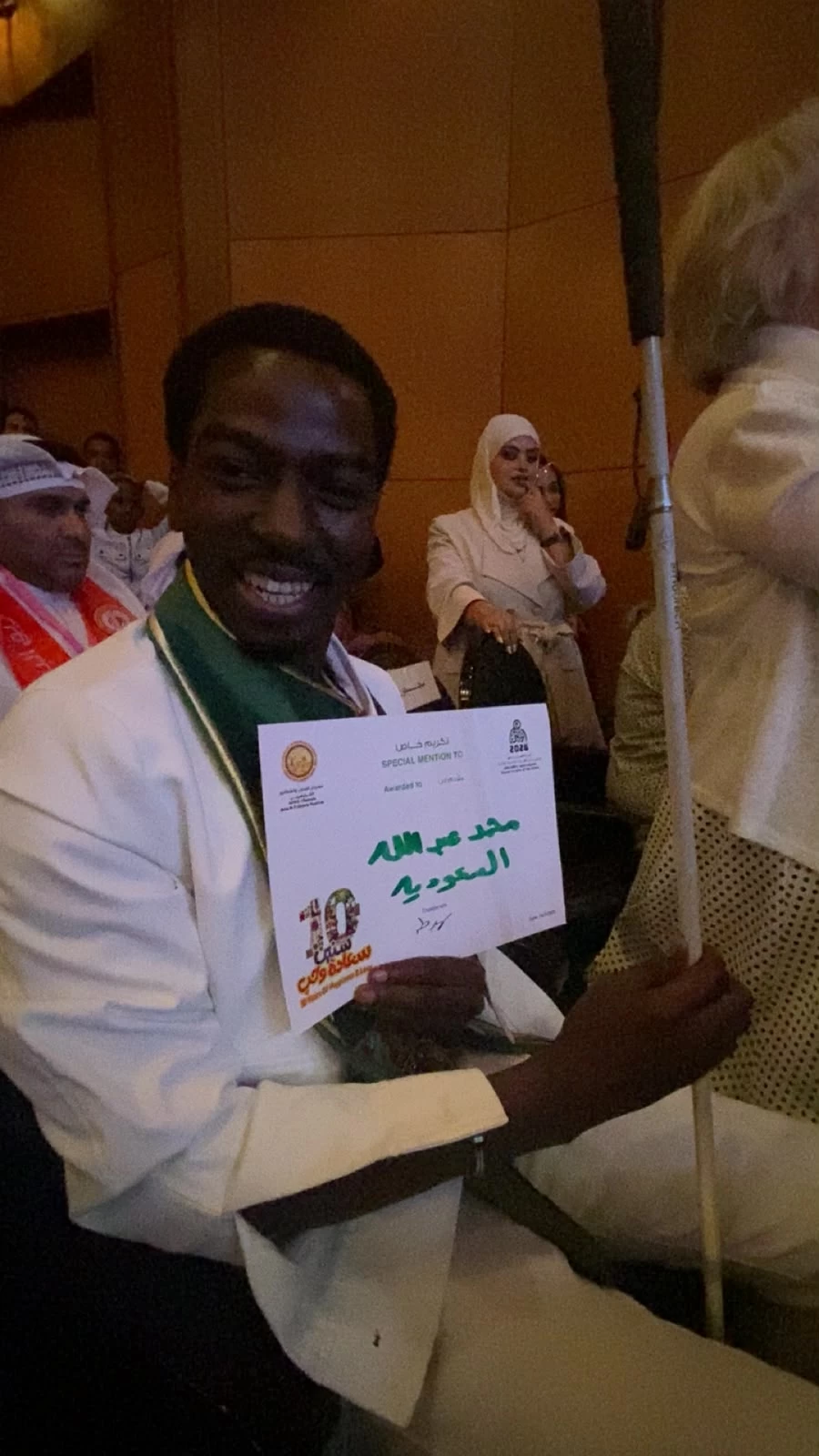
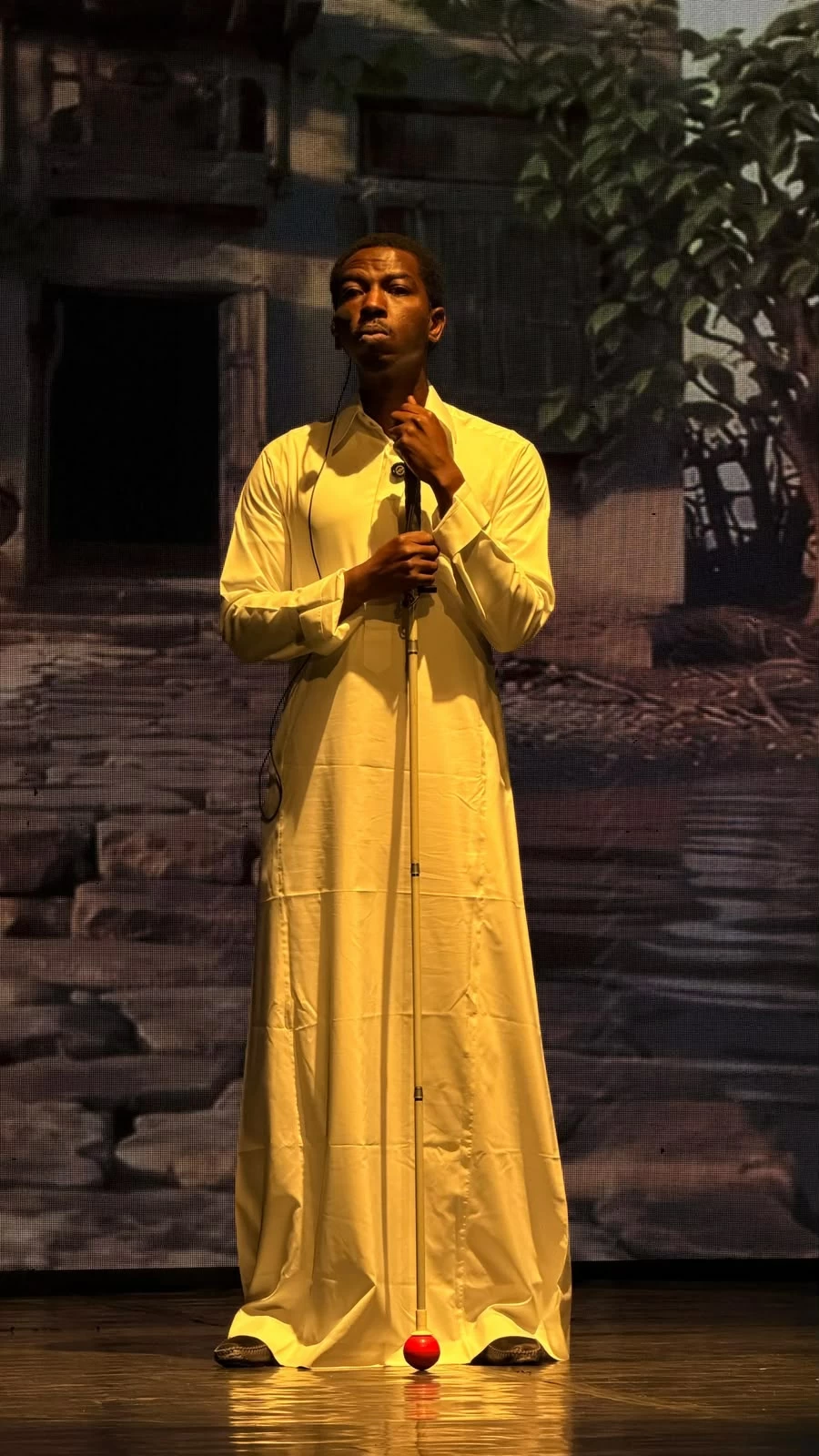
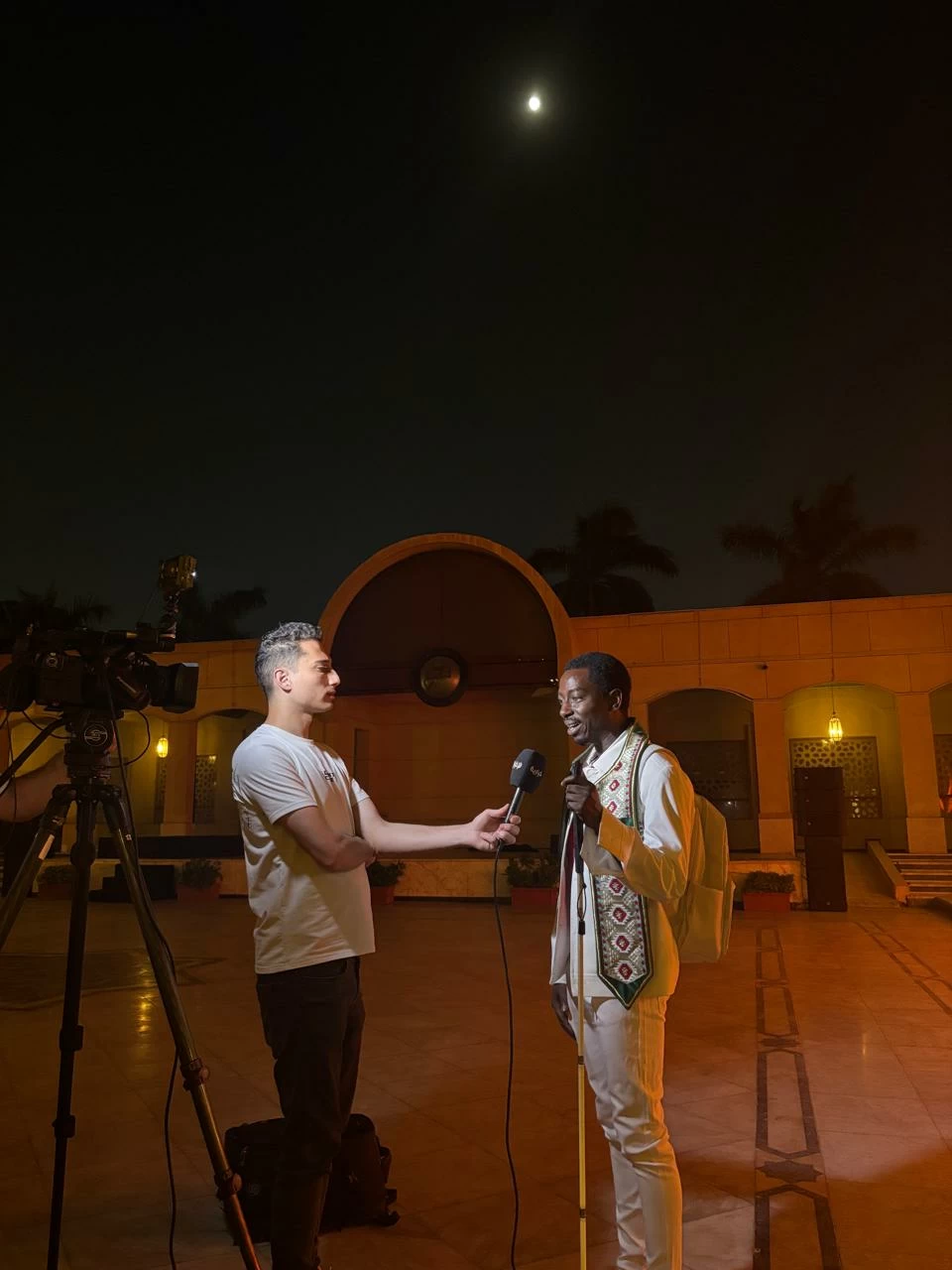
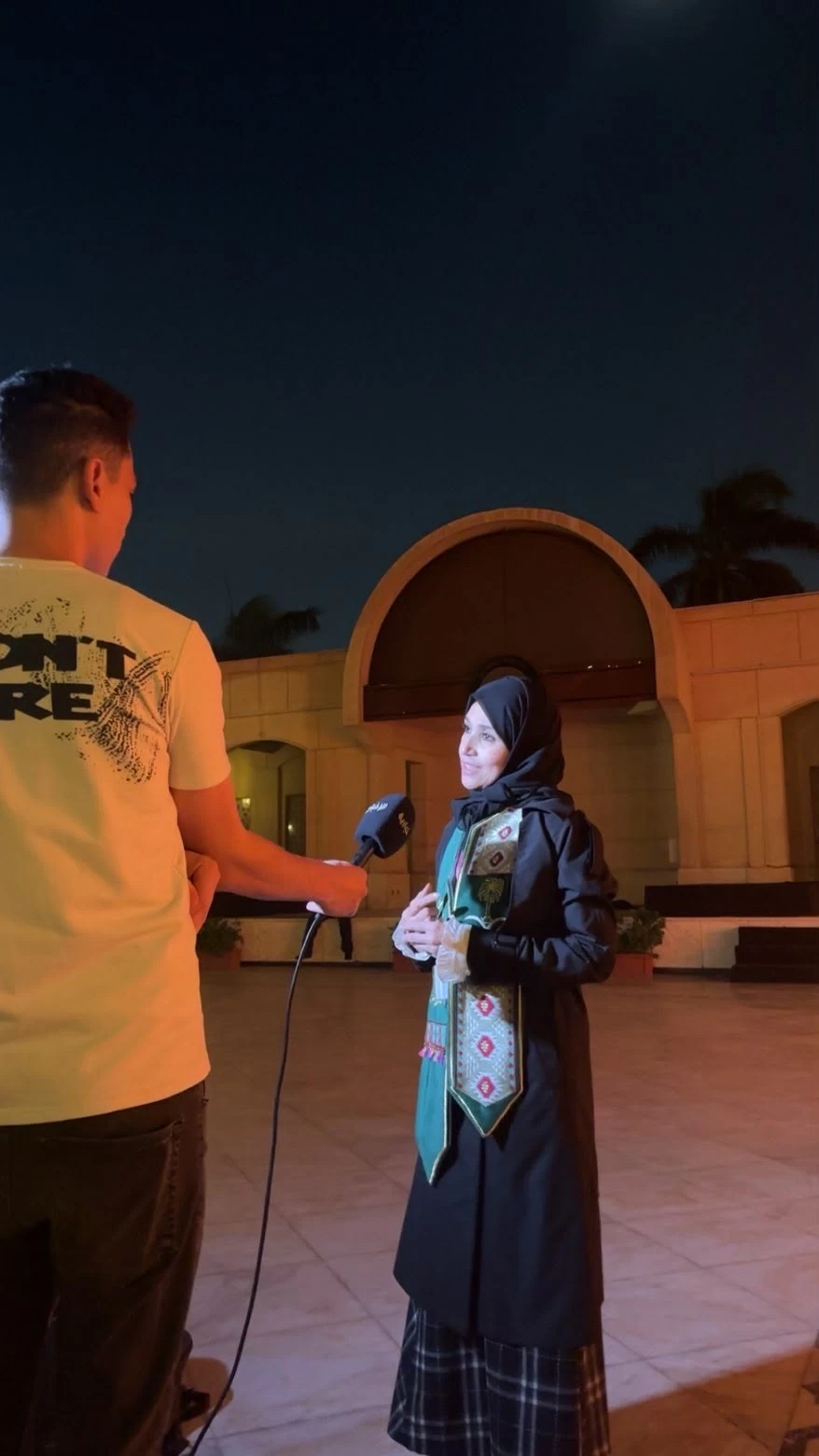
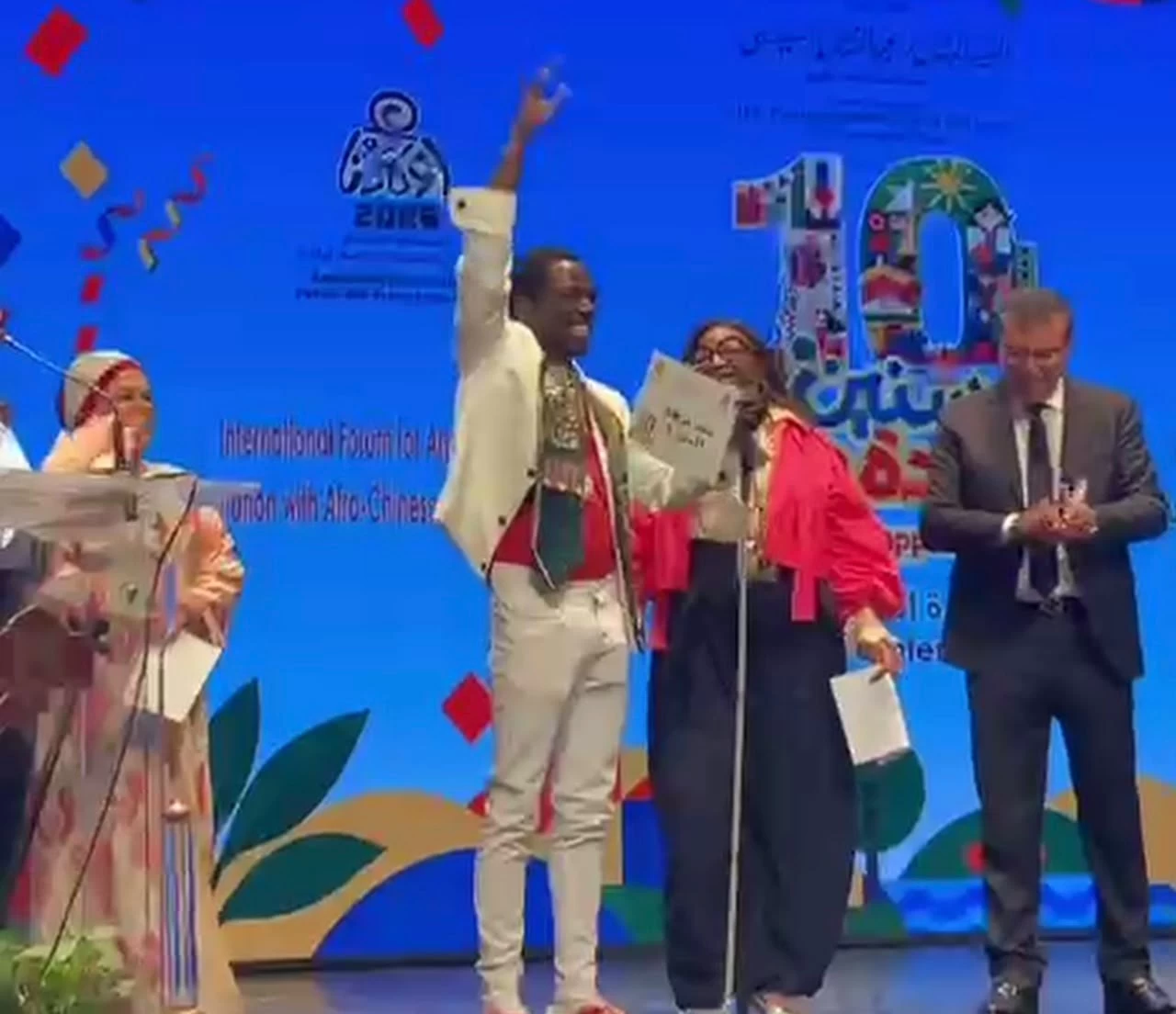
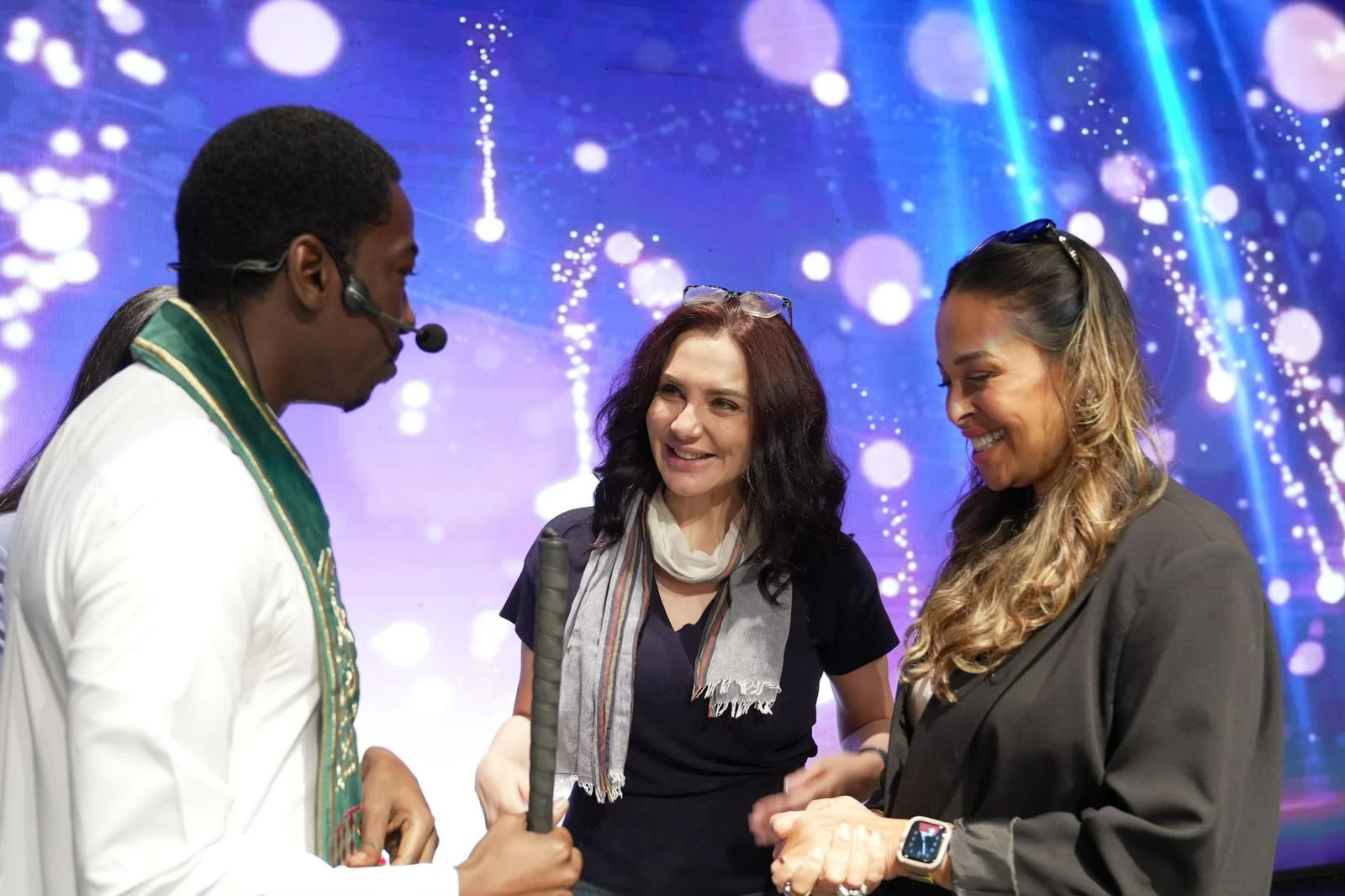
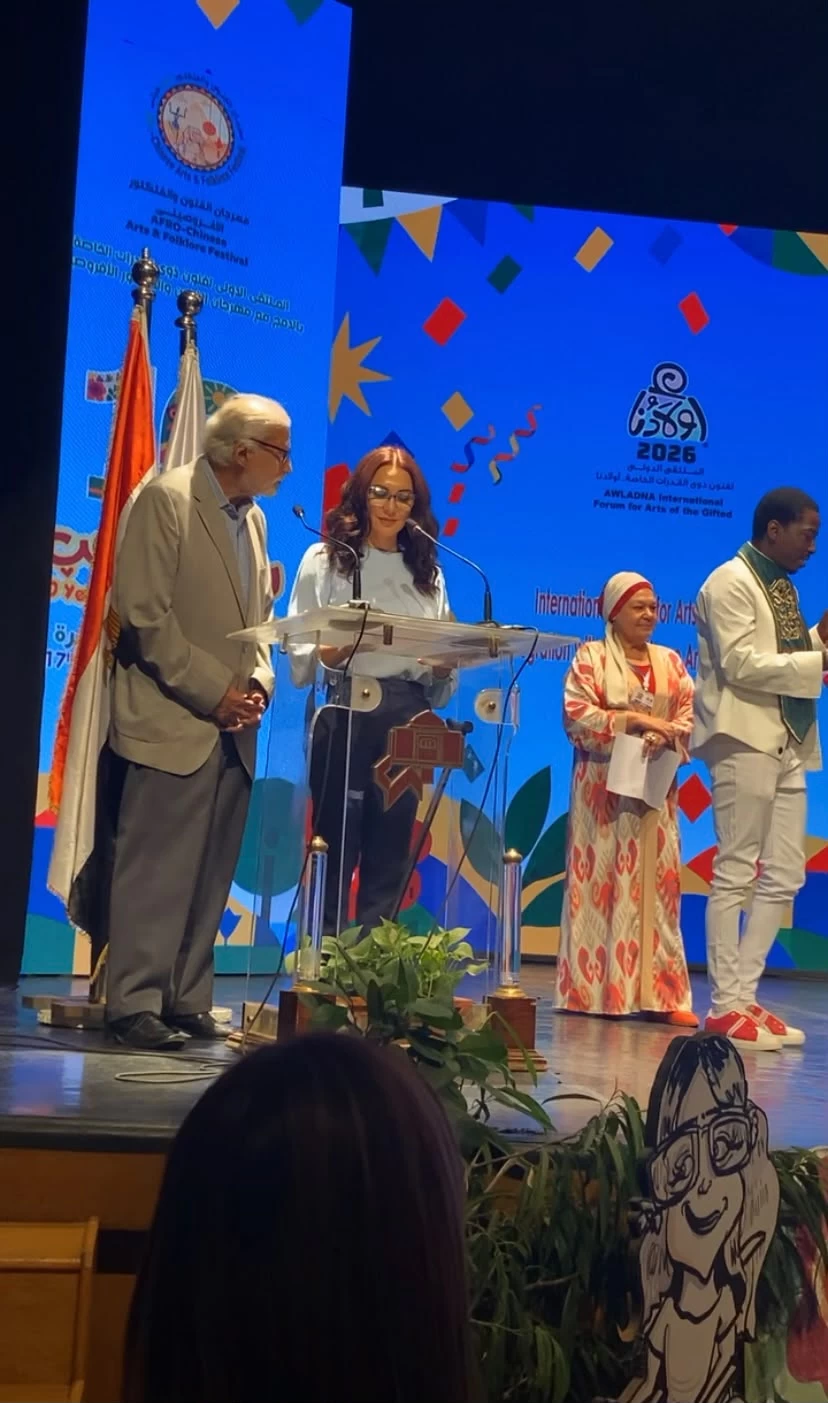
شاركت الكاتبة الباحثة السعودية هدى علي حدادي بمسرحيتها «حين رآني الغياب» ضمن فعاليات الدورة العاشرة من ملتقى «أولادنا» الدولي لفنون ذوي القدرات الخاصة الذي أقيم في دار الأوبرا المصرية بالقاهرة، بالتزامن مع احتفالات المملكة باليوم الوطني، في مشاركة حملت صوتاً مسرحياً سعودياً انطلق من تجربة إنسانية عميقة لطرح أسئلة الغياب والفقد وعلاقة الإنسان بذاته وبمن يحب. وتوجت المشاركة بحصول بطل المسرحية محمد لادان على جائزة أفضل ممثل في فنون ذوي القدرات الخاصة، تقديراً لأدائه في العمل وما قدمه من حضور مسرحي اعتمد على الصوت والإحساس وقدرته على نقل التحولات النفسية للشخصية إلى الجمهور. وجاءت المسرحية في قالب «مونودراما» تتبعت رحلة إنسان واجه الغياب وحاول إعادة اكتشاف نفسه بعد أن فقد من كان يمنحه الشعور بقيمته وحضوره، لتضع المتلقي أمام سؤالها المركزي: ماذا يبقى للإنسان حين يغيب من كان يشعر بقيمته في حضوره؟ ولم تتعامل حدادي مع الحزن باعتباره لحظة بكاء عابرة، بل اقتربت منه بوصفه أثراً عميقاً للتعلق بمن نحب وخوفاً من أن يعيد الغياب تشكيل الحياة التي اعتدناها. ومن المسافة الفاصلة بين ما نتمناه وما تفرضه الحياة بدأت الشخصية رحلة داخلية للبحث عن ذاتها وإعادة فهم قيمتها بعيداً عن الارتهان الكامل لوجود الآخرين. وتوقفت المسرحية عند سيكولوجية الحزن وما يتركه الفقد في النفس من أسئلة حول دوام الأشخاص والأشياء في عالم يقوم في جوهره على التغير. ولم تطرح تجاوز الحزن باعتباره نسياناً أو محواً للذكرى، بل ذهبت إلى سؤال أكثر إنسانية: كيف نحمل معنا أثر الذين غابوا ونواصل الحياة دون أن نفقد أنفسنا معهم؟ وجسد الممثل الكفيف محمد لادان هذه الرحلة على الخشبة في تجربة تقدم فيها الصوت والإنصات والإحساس على الصورة المرئية، لتصبح أدوات أساسية في بناء الشخصية والتواصل مع الجمهور. وجاء فوزه بجائزة أفضل ممثل في فنون ذوي القدرات الخاصة تتويجاً لهذا الحضور وللتجربة التي قدمها على المسرح. ورافقت العرض موسيقى وألحان قدمها الملحن المنتج السعودي عبدالله عبود إهداء للعمل، وتحولت الموسيقى من مجرد خلفية للمشهد إلى لغة موازية للنص عبرت عن المساحات التي عجز الكلام عن بلوغها في لحظات الحزن والذاكرة والتحول. وجاءت المسرحية بإخراج أمينة السوداني، فيما قدم المهندس محمد الحبشي رسم الإضاءة إهداء للعمل، وتولت شيري وجدي التصميم الجرافيكي. كما وظف العرض تقنيات الذكاء الاصطناعي في المواد البصرية المعروضة على الشاشة، بما وسع فضاء الذاكرة والخيال وربطهما بالحضور الحي على خشبة المسرح. ومنحت مشاركة «حين رآني الغياب» بالتزامن مع اليوم الوطني السعودي حضوراً ثقافياً سعودياً في فضاء فني عربي ودولي جمع الفن بتجارب ذوي القدرات الخاصة، قبل أن تختتم المشاركة بجائزة أكدت قدرة الفن على تجاوز حدود الصورة والوصول إلى المتلقي عبر صدق التجربة وقوة الأداء. وفي «حين رآني الغياب» لم يكن الغياب خاتمة للحكاية، بل بداية لاكتشاف الذات. فحين يرحل من اعتدنا أن نرى أنفسنا في عينيه، يبقى السؤال الأصعب: هل نغيب معه أم نتعلم أن نرى أنفسنا من جديد؟
وثمنت هدى حدادي جهود رئيسة ومؤسسة ملتقى «أولادنا» الدولي لفنون ذوي القدرات الخاصة سهير عبدالقادر، وما أتاحه الملتقى من مساحة التقت فيها الفنون بتجارب المبدعين، ومنحت الموهبة فرصة الحضور والتعبير والوصول إلى الجمهور.
The Saudi writer and researcher Huda Ali Haddadi participated in her play "When Absence Saw Me" as part of the tenth edition of the "Awladna" International Forum for Arts of Persons with Disabilities, which was held at the Egyptian Opera House in Cairo, coinciding with the Kingdom's celebrations of National Day. This participation carried a Saudi theatrical voice that emerged from a profound human experience to raise questions about absence, loss, and the relationship of a person with themselves and their loved ones. The participation was crowned with the lead actor, Mohamed Ladan, winning the Best Actor award in the Arts for Persons with Disabilities, in recognition of his performance and the theatrical presence he brought, which relied on voice, emotion, and his ability to convey the character's psychological transformations to the audience. The play was presented in the form of a "monodrama" that traced the journey of a person who faced absence and sought to rediscover themselves after losing those who gave them a sense of value and presence, placing the audience before its central question: What remains for a person when those who made them feel valued in their presence are gone? Haddadi did not treat sadness as a fleeting moment of tears; rather, she approached it as a deep impact of attachment to those we love and a fear that absence will reshape the life we have grown accustomed to. From the distance between what we wish for and what life imposes, the character embarked on an internal journey to search for their self and to re-understand their value away from complete dependence on the existence of others. The play paused at the psychology of sadness and what loss leaves in the soul in terms of questions about the permanence of people and things in a world that is fundamentally based on change. It did not propose overcoming sadness as forgetting or erasing memories, but rather posed a more human question: How do we carry with us the traces of those who have gone and continue to live without losing ourselves along with them? The blind actor Mohamed Ladan embodied this journey on stage in an experience where sound, listening, and feeling took precedence over the visual image, becoming essential tools in building the character and communicating with the audience. His winning the Best Actor award in the Arts for Persons with Disabilities was a crowning achievement for this presence and the experience he presented on stage. Accompanying the performance were music and melodies provided by Saudi composer and producer Abdullah Aboud as a gift to the work, transforming the music from mere background to a parallel language to the text that expressed the spaces that words failed to reach in moments of sadness, memory, and transformation. The play was directed by Amina Al-Sudani, while engineer Mohamed Al-Habshi provided the lighting design as a gift to the work, and Sheri Wagdy handled the graphic design. The performance also employed artificial intelligence techniques in the visual materials displayed on screen, expanding the space of memory and imagination and linking them to the live presence on stage. The participation of "When Absence Saw Me," coinciding with Saudi National Day, granted a Saudi cultural presence in an Arab and international artistic space that brought together art with the experiences of persons with disabilities, before concluding with an award that affirmed the ability of art to transcend the boundaries of imagery and reach the audience through the authenticity of experience and the strength of performance. In "When Absence Saw Me," absence was not the end of the story, but rather the beginning of self-discovery. When those we have grown accustomed to seeing ourselves in their eyes depart, the hardest question remains: Do we disappear with them, or do we learn to see ourselves anew?
Huda Haddadi praised the efforts of the president and founder of the "Awladna" International Forum for Arts of Persons with Disabilities, Suhair Abdelkader, and what the forum provided as a space where arts met the experiences of creators, granting talent the opportunity to be present, express, and reach the audience.