يتغنّى البعض من المثقفين العرب بالاستقلالية الثقافية والفكرية والسياسية والاجتماعية، التي لا محل ولا حقيقة لها إلا في الادّعاء، ويستجيب بعضهم لسُلْطة النُخب أو الجماهير، ويتولّع بالمكونات الصغرى لما قبل الدولة، فيما يقضي البعض العمر هَلِعاً من السّلطات صغيرها وكبيرها، لو قرر الانطلاق من رؤى محايدة، ودون انحيازات، ويظهر بعض المثقفين على حقيقتهم الزائفة أوقات الأزمات، ما يدل على ارتباك الهويّة، وسرعة الانجذاب للاستقطابات، ولذا ربما تغدو الاستقلالية مجرد كلام.
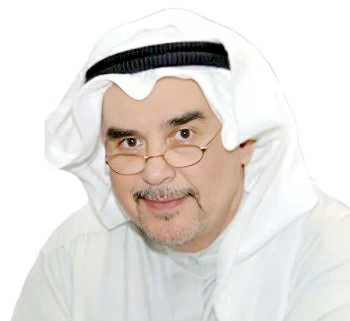
ويذهب المفكّر الدكتور محمد الرميحي إلى أن المثقف ليس كائناً معزولاً عن بيئته، بل هو نتاج مجتمع وثقافة وتاريخ، يتأثر بلغته، وبما يقرأ، وبمن يلتقي، وبما يمر به من تجارب. لافتاً إلى أن فكرة الحياد الكامل تبدو أقرب إلى المثال النظري منها إلى الواقع. وأضاف: بالطبع هذا لا يعني استحالة الاستقلال، بل يعني أن الاستقلال نسبي ويحتاج جهداً واعياً. ويرى الرميحي أن استقلال المثقف يبدأ من وعيه بتحيزاته قبل أن يدّعي تجاوزها، ومن قدرته على مساءلة أفكاره لا الدفاع عنها فقط، ويرتبط بامتلاكه أدوات المعرفة، لا الاكتفاء بتكرار ما يُقال حوله. موضحاً أن المثقف المستقل لا ينعزل عن مجتمعه، ولا يذوب فيه، بل يحافظ على مسافة نقدية، تسمح له بالرؤية دون قطيعة، ولا يجعل من الانتماء عائقاً أمام الحقيقة. مؤكداً أن الاستقلال له كلفة، كونه يضع صاحبه خارج التيارات السائدة، وربما يحرمه من القبول السريع أو الشعبية السهلة، إلا أن قيمته تكمن في قدرته على قول ما يجب قوله، لا ما يُراد سماعه. وأضاف: «الاستقلالية ليست حالة ثابتة، بل ممارسة يومية، وخيار أخلاقي قبل أن تكون موقفاً فكرياً».
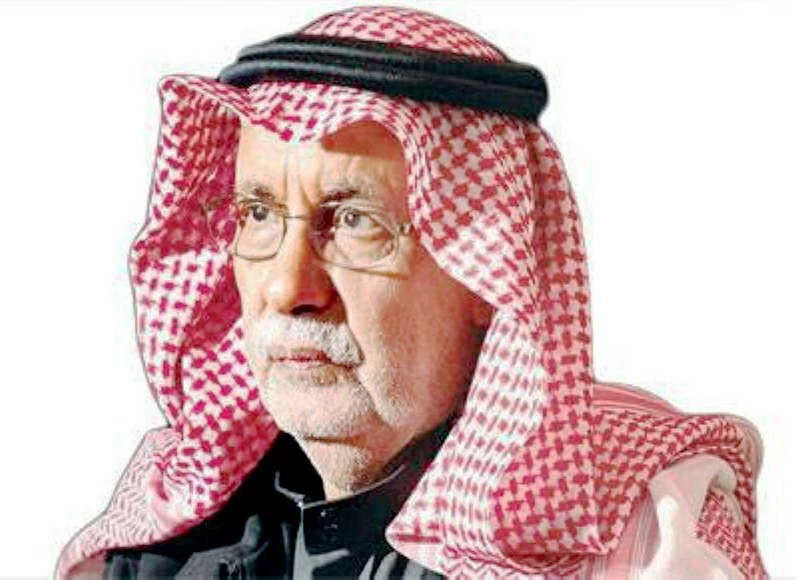
وعدّ الباحث الفلسفي محمد محفوظ، تجديد وتفعيل العلاقة وبناء أواصر الثقة بين مؤسسات الدولة، والمجتمع من الضرورات القصوى التي تجنّب الواقع العربي الكثير من السلبيات والسيئات. ودعا المجتمعات العربية المتنوعة إلى الخروج من عناوينهم الخاصة، إلى رحاب الوحدة الوطنية والمواطنة الجامعة، وذهب محفوظ إلى أن وحدة الأوطان العربية اليوم مرهونة، بتبني مبادرات فعالة وشجاعة، تستهدف معالجة بعض مشاكل الحياة العربية وتعزيز أواصر العلاقة بين الدولة والشعب. مؤكداً أن الدعوة إلى التشبث بخيار الدولة، والعمل على حماية فكرتها في الاجتماع العربي المعاصر، لا يعني تدمير القبائل أو المذاهب أو الأديان والطوائف، بل تدعو إلى احترام التنوع الذي تعيشه كل المجتمعات العربية، إلا أنه الاحترام الذي يعزز خيار الاندماج والوحدة. لافتاً إلى أنه حينما يتشبث كل طرف بعنوانه الخاص، ويضحي بحاضن وجامع الجميع فإنه يفتح الطريق لفتن وحروب لا تنتهي بين جميع هذه المكونات، وتطلّع إلى الإعلاء من قيمة المواطنة؛ بوصفها العنوان والحقيقة القانونية والدستورية التي تنظم منظومة الحقوق والواجبات. مضيفاً أن الأوطان لا تُحمى بتنمية النزاعات الطائفية أو أنظمة المحاصصة المذهبية، والقبليّة والحزبيّة والشعارات السياسية الجوفاء.
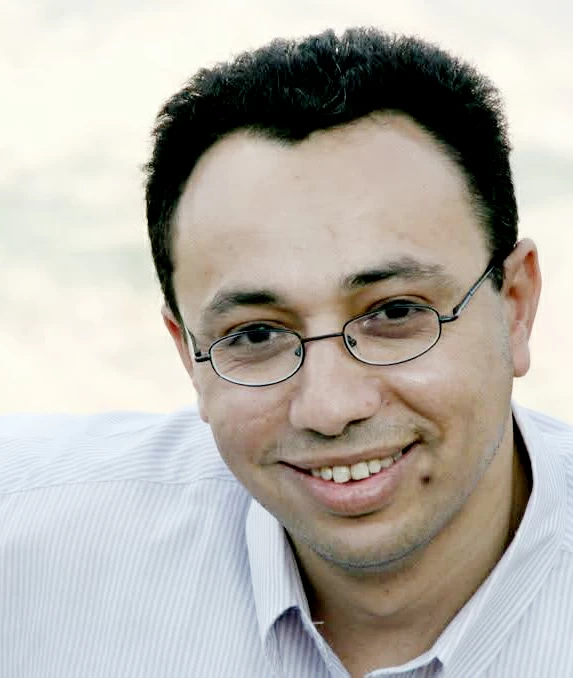
فيما تساءل الشاعر فارس خضر: كيف يكون المثقف مستقلاً في واقعنا العربي، وهو يسير مثل لاعب السيرك على حبل مشدود، منتظراً- مع أية هفوة- أن يسقط على رقبته..؟!
ويرى خضر أنه متى أردنا معرفة حجم استقلالية المثقف العربي، فعلينا أن نحصي عدد السير الذاتية، المكتوبة بدرجة عالية من الصدق والتجرد، والقادرة على مساءلة النفس ومراجعتها، وعلى محاكمة الواقع الاجتماعي والسياسي وإدانته، وكم سيرة ذاتية ملهمة كتبها مثقفون، فكوا خلالها الأغلال عن أفكارهم المكبوتة، وجعلونا نعيد ترتيب الحياة من جديد.. كم..؟!
وعدّ مصطلح الاستقلال مرادفاً للحرية، فلا استقلال إلا بها. مضيفاً: لطالما تخلّى المثقف طواعية عن استقلاله، وانتمى إلى حزب أو جماعة أو نقابة أو قبيلة أو طائفة أو شلة، لا لشيء سوى أن يوفر لنفسه بعض الحماية. مفترضاً أنه بهذا الانتماء يجعل وسائل البطش أقل فتكاً. مشيراً إلى ما يتعاظم في داخل المثقف من الكوابح الداخلية، والمخاوف المشروعة، بل الرعب الذي يجعل طموحه في التعبير عن آرائه يتراجع تدريجياً. ونفى عن المثقف كونه جباناً، لأنه يرى مآلات الحالمين، الذين في لحظة صدق تجردوا من حذرهم، وقالوا كلمتهم، ضاربين عرض الحائط بكل التابوهات التي حالت دون استقلاليتهم.
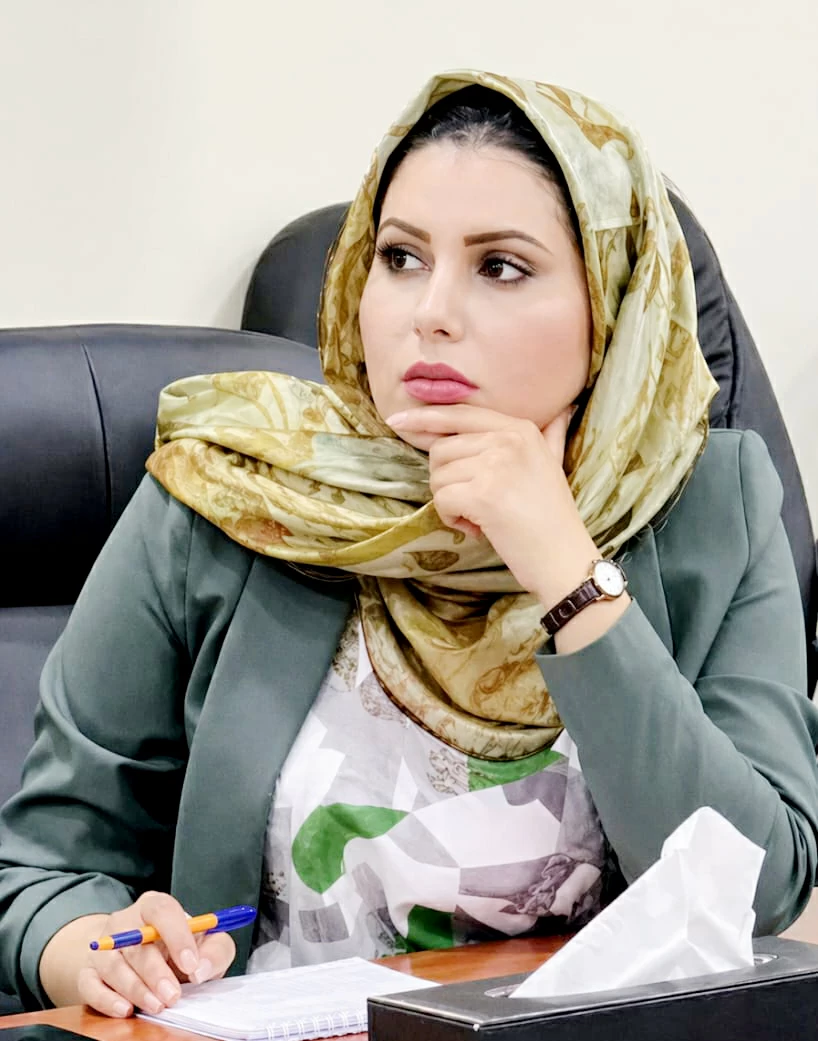
وذهبت الكاتبة سلمى المنفي إلى أن المثقف يتمتع بفكر ناقد، وله زاويته الخاصة التي ينظر من خلالها للأمور بشكل مختلف، وإن كان فرداً من المجتمع، يعيش آلامهم ويتطلع إلى تحقيق آمالهم ولا يتصنع اهتماماً، قدر ما هي مسؤولية أخلاقية. مؤكدةً أن المثقف يتأثر بغيره من البشر، وبالبيئة المحيطة التي احتضنت أفكاره، بدايةً من الأب والأم، مروراً بالمدرسة والقرية والقبيلة والمنطقة والوظيفة، وصولاً إلى العالم الأكبر. وترى أنه يصعب عليه التمرد على هذه الانتماءات التي دخل مختاراً أو مكرهاً تحت عباءتها. لافتةً إلى أن المثقف الذي لا يسهم في انتشال المجتمع من الطائفية والتعصب والخرافة، ليس مثقفاً إلا بالادعاء. وأضافت: يدّعي البعض من المثقفين الاستقلالية إلا أنه يرسب ويسقط في أوّل امتحان؛ كونه يواجه جبلاً من المغريات؛ من المال والمناصب والصورة الاجتماعية، فيبدأ الانزلاق الصامت. وأضافت: المثقف شأنه شأن غيره في توفير الذرائع والمبررات. وتساءلت: هل كان المثقف في يوم من الأيام مستقلاً حقاً؟ وهل بإمكانه دون أن يتكبّد المشاق، ويدفع ضريبة باهظة؟
عبدالله الغذامي: المثقف عاشق للصفات والتوشح بها
يؤكد عرّاب الحداثة السعودية الدكتور عبدالله الغذامي أنّ المثقف كائن بشري مثله مثل سائر البشر، ومن طبع البشر أن يدّعوا لأنفسهم صفات حميدة يتزينون ويتواصون بها. وقال الغذامي: «إننا نعلم يقيناً أننا حين الامتحان لا نصمد لدعاوى أو ادعاءات، من أخطرها دعوى الاستقلال والحياد، وكلنا ندعيها وهذا ما أربكني حين قررت وضع تعريف لي في حسابي في تويتر، إذ استخدمت عبارة «سموا أنفسكم مستقلين»، وهذه جملةً تحدتني كثيراً لحظة تكوينها في ذهني، وفي البداية كتبت «كونوا مستقلين» إلخ، إلا أنني تراجعت وحذفتها؛ لأن التعبير هنا سيكون أمراً وتوجيهاً من جهة، وسيكون افتراضاً متعالياً عن قدرتنا، وأننا نستطيع أن نكون كما نريد من جهة أخرى، وهذا تصورٌ غير واقعي».
وأوضح صاحبُ حكاية الحداثة، أنه ذهب إلى القول «سموا انفسكم مستقلين»؛ كون تسمية أنفسنا بصفة ما، أمرٌ معتاد، إذ من السهل أن يسمي المرء نفسه أو ولده بحاتم أو كريم ويدرك إدراكاً تاماً أن الناس لن يأخذوا ذلك مأخذ الجد، ولن يتعاملوا معه بشرط الكرم ولا الحاتمية، وكذلك الحال مع كلمة مستقلين. لافتاً إلى أن من السهل أن نزعم الاستقلالية صفةً لنا؛ لأننا لن نقول أبداً إننا منحازون وخاضعون لشروط الرغبة والرهبة.
ويرى أن لسؤالنا وجهاً، من حيث إن المثقف معروفٌ عنه عشق الصفات والتوشح بها ادعاءً ومكابرةً، في حين يتواضع العامي، وتخف عنده جرعة الغرور. وعزا سرّ دعاوي المثقفين إلى كونهم يُظَن بهم أن يكونوا مستقلين ومحايدين وحاملي شعلة التنوير، ومن ثم أصبح ادعاء هذه الصفات بمقام الشرط الثقافي. مضيفاً: قليل من يتواضع مع هذه الصفات، إلا أن الواقع يشهد بغير ذلك ولا شك. وزاد: ربما نرأف بالمثقف الشخص، فنقول إن الثقافة لا تريد منه التواضع، وهذه لعبة ماكرة توقعنا في حبائلها.
Some Arab intellectuals boast about cultural, intellectual, political, and social independence, which has no place or reality except in claims. Some respond to the authority of elites or the masses, becoming enamored with the smaller components that predate the state, while others spend their lives in fear of authorities, both small and large, if they decide to launch from neutral perspectives, without biases. Some intellectuals reveal their false reality during times of crisis, indicating a confusion of identity and a quick attraction to polarization, which is why independence may become mere words.
Intellectual Dr. Mohammed Al-Rumaihi argues that the intellectual is not an isolated being from his environment; rather, he is a product of society, culture, and history, influenced by his language, what he reads, whom he meets, and the experiences he undergoes. He points out that the idea of complete neutrality seems closer to a theoretical ideal than to reality. He added: "Of course, this does not mean that independence is impossible; it means that independence is relative and requires conscious effort." Al-Rumaihi believes that the independence of the intellectual begins with his awareness of his biases before claiming to transcend them, and with his ability to question his thoughts rather than just defend them. It is linked to possessing tools of knowledge, not merely repeating what is said about him. He clarifies that the independent intellectual does not isolate himself from his society, nor does he dissolve into it; rather, he maintains a critical distance that allows him to see without severance and does not let belonging become an obstacle to truth. He emphasizes that independence has a cost, as it places its holder outside prevailing currents, possibly depriving him of quick acceptance or easy popularity, but its value lies in his ability to say what must be said, not what is desired to be heard. He added: "Independence is not a fixed state, but a daily practice and an ethical choice before it is an intellectual position."
Philosophical researcher Mohammed Mahfouz considers the renewal and activation of the relationship and building bonds of trust between state institutions and society to be among the utmost necessities that can spare the Arab reality many negatives and evils. He called on the diverse Arab societies to move beyond their specific titles to the realm of national unity and inclusive citizenship. Mahfouz stated that the unity of Arab homelands today is contingent upon adopting effective and courageous initiatives aimed at addressing some of the problems of Arab life and strengthening the bonds between the state and the people. He emphasized that the call to cling to the choice of the state and to work on protecting its idea in contemporary Arab society does not mean destroying tribes, sects, religions, or communities, but rather calls for respecting the diversity that all Arab societies experience, while that respect enhances the choice of integration and unity. He pointed out that when each party clings to its specific title and sacrifices a unifying and encompassing entity, it opens the door to endless strife and wars among all these components, aspiring to elevate the value of citizenship as the title and legal and constitutional truth that organizes the system of rights and duties. He added that homelands are not protected by fostering sectarian disputes or systems of sectarian, tribal, and partisan quotas, and hollow political slogans.
Meanwhile, poet Fares Khadr questioned: How can the intellectual be independent in our Arab reality, when he walks like a circus performer on a tightrope, waiting—with any misstep—to fall on his neck..?!
Khadr believes that whenever we want to know the extent of the independence of the Arab intellectual, we must count the number of autobiographies written with a high degree of honesty and objectivity, capable of self-questioning and reviewing, and of judging and condemning the social and political reality. He wonders how many inspiring autobiographies have been written by intellectuals who freed their repressed thoughts, allowing us to rearrange life anew.. how many..?!
He considered the term independence synonymous with freedom, for there is no independence without it. He added: The intellectual has often voluntarily relinquished his independence, belonging to a party, group, union, tribe, sect, or clique, not for any reason other than to provide himself with some protection. He assumes that by this affiliation, he makes the means of oppression less lethal. He pointed to the internal restraints and legitimate fears that grow within the intellectual, even the terror that gradually diminishes his ambition to express his opinions. He denied that the intellectual is cowardly, as he sees the outcomes of dreamers who, in a moment of honesty, stripped themselves of caution and spoke their word, disregarding all the taboos that hindered their independence.
Writer Salma Al-Munfi stated that the intellectual possesses a critical mind and has his own perspective through which he views matters differently. Even if he is an individual from society, he lives their pains and aspires to achieve their hopes, and does not feign interest, as much as it is a moral responsibility. She emphasized that the intellectual is influenced by others and by the surrounding environment that embraced his ideas, starting from parents, through school, village, tribe, region, and job, reaching the larger world. She sees it as difficult for him to rebel against these affiliations that he entered voluntarily or under duress. She pointed out that an intellectual who does not contribute to rescuing society from sectarianism, fanaticism, and superstition is not an intellectual except in pretense. She added: Some intellectuals claim independence, yet they fail and fall in the first test; as they face a mountain of temptations—money, positions, and social image—leading to silent slipping. She added: The intellectual, like others, provides excuses and justifications. She questioned: Has the intellectual ever truly been independent? And can he do so without enduring hardships and paying a heavy price?
Abdullah Al-Ghudami: The Intellectual is in Love with Qualities and Adorning Himself with Them
Dr. Abdullah Al-Ghudami, the architect of Saudi modernity, affirms that the intellectual is a human being like all other humans, and it is human nature to claim noble qualities for oneself, to adorn and commend them. Al-Ghudami said: "We know for certain that when it comes to the test, we do not withstand claims or assertions, one of the most dangerous of which is the claim of independence and neutrality, and we all claim it. This is what perplexed me when I decided to put a definition for myself in my Twitter account, as I used the phrase 'call yourselves independent,' a phrase that challenged me greatly at the moment of its formation in my mind. Initially, I wrote 'be independent,' etc., but I retracted and deleted it; because the expression here would be a command and direction from one side, and a presumption of superiority over our ability, that we can be as we wish from another side, which is an unrealistic perception."
The author of the story of modernity explained that he went on to say "call yourselves independent" because naming ourselves with a quality is a common thing; it is easy for a person to name himself or his child Hatem or Kareem and fully realize that people will not take that seriously and will not treat him with the conditions of generosity or nobility, and it is the same with the word independent. He pointed out that it is easy to claim independence as a quality for us because we will never say that we are biased and subject to the conditions of desire and fear.
He believes that our question has a face, in that the intellectual is known for his love of qualities and adorning himself with them, in pretense and arrogance, while the ordinary person is humble, and his dose of arrogance diminishes. He attributed the secret of the claims of intellectuals to the assumption that they should be independent, neutral, and bearers of the torch of enlightenment, and thus the claim of these qualities became a cultural condition. He added: Few are those who are humble with these qualities, yet reality undoubtedly witnesses otherwise. He added: Perhaps we sympathize with the intellectual as a person, saying that culture does not require him to be humble, and this is a cunning game that traps us in its snares.