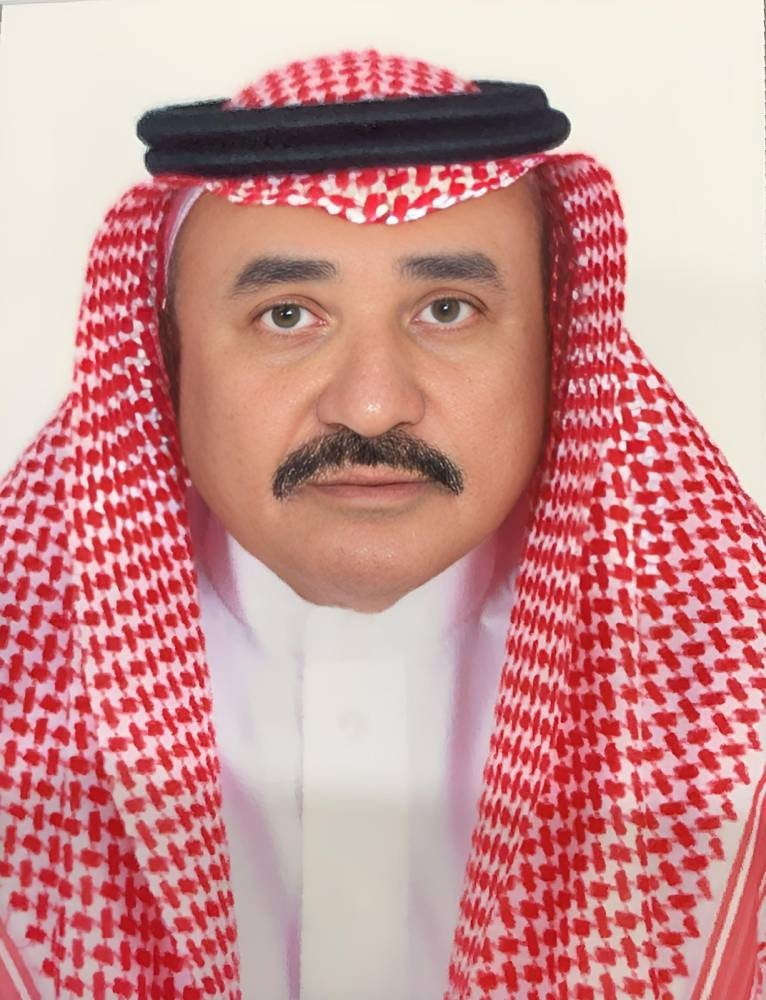
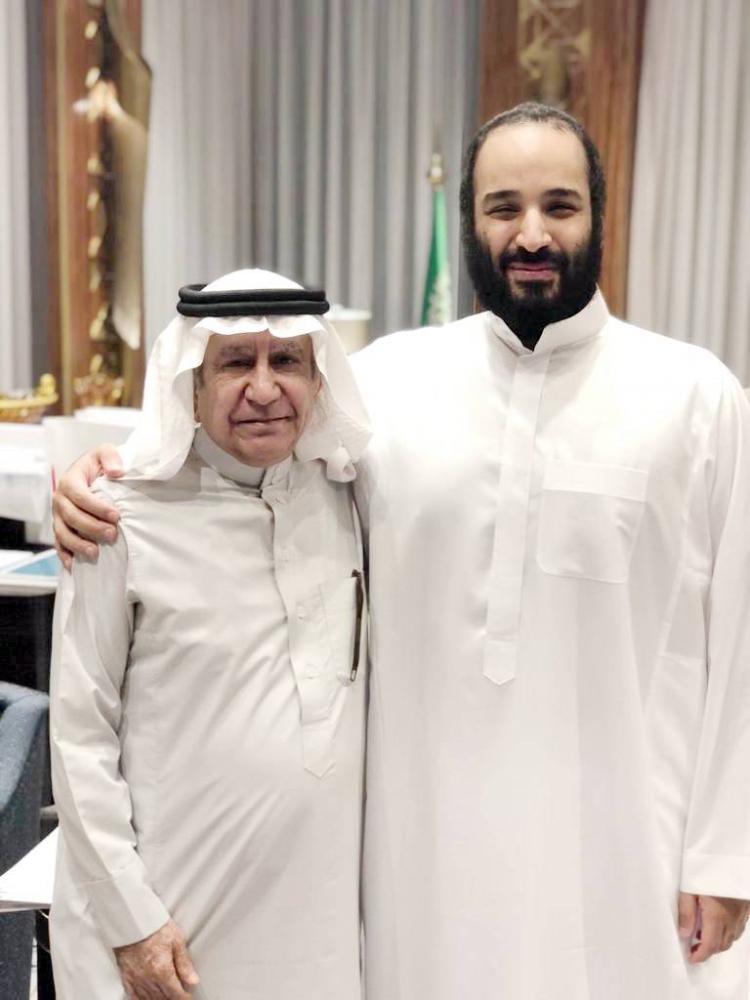
التفت مثقفون وكتّاب إلى الدور الثقافي والإنساني للرائد التنويري الدكتور تركي الحمد؛ الذي يمر بوعكة صحية أبعدته عن المشهد منذ أعوام. ولأن الغياب وإن طال لا يهضم حق «أبو طارق» فهو كاتب وطني لا يُنسى، ومن هنا يبعث مثقفون رسائل إلى أكثر الأسماء (التنويرية) جدلاً وإلهاماً في المشهد الفكري الحديث؛ فقامة وقيمة تركي الحمد، كبيرة وممنونة، فهو الكاتب السياسي، والمفكّر العصريّ، والروائي المُلهم، ولم يكن يوماً عابراً في وعي قرائه، ولا طيفاً مؤقتاً في مدارات الجدل، بل أحد أعمدته الراسخة، فهو الكاتب الذي قال ما لا يُقال، وكتب ما لا يُكتب، ولامس المسكوت عنه بمبضع الفكر لا بهتاف المنابر، فكان في نظر محبّيه علامة على الحريّة الفكرية، وفي عيون خصومه خصماً لا يُستباح إلا افتراء.
وهنا مشاعر وعبارات منصفين، يستنطقون الغياب بكلماتٍ لا تسأل عن الرأي بقدر ما تسأل عن الرجل، لا تعاتب الصمت بقدر ما تستحثّ الكلمة، إنها رسائل إلى من لا يزال في القلب والعقل، وإلى من نأمل أن يعود قريباً، لا ليكتب ما يُرضي، بل ليكتب ما يُوقظ. فبعض الحضور لا يُعوّض، وبعض الغياب لا يُطاق!
عبدالله الغذامي:
لا تغلق بابك أبا طارق
عزيزي أبا طارق، أعرف أنك ترانا وتسمعنا وتتحدث معنا ولكن هذا لا يكفينا منك، فلقلمك وعد معنا وعهد عليك لنا، وليس لك أن تغيب والكل ينتظرك، ورسالتي إليك هي مخاطبة القلب للقلب والعقل للعقل، بأن تطلق قلمك وتسمح له باللعب معنا كما كنا نلعب في الحارة مع أطفال الجيران، ونحن كلنا أطفال القلم والورق، وما زلنا كذلك مهما كبرت بنا السن، ولقلمك عليك حق ولنا عليك حق، وقد طال الانتظار وحان موعد الوعد والعهد وها هي «عكاظ» تركض نحوك فلا تغلق دونها بابك، تناول قلمك إذن.. واكتب لنا وللوطن وللثقافة، ولك من القلب تحيةٌ ومن العقل موقفٌ.
حمزة المزيني:
تحيّة إلى الشخصية الوطنية النموذجية
ظل الزميل الصديق الدكتور تركي الحمد سنين طوالاً في مقدمة الصفوف للدفاع عن الوطن بإسهاماته في كتابة المقالات الصحفية وفي مشاركاته في النقاشات السياسية والاجتماعية الكثيرة داخل المملكة وخارجها.
وكان الدكتور الحمد في كل ذلك يمثِّل السَّويَّة التي كِدنا نفقدها في خضم التشدد الاجتماعي والفقهي الذي آل في ما بعد إلى الهيجان الأصولي لأكثر من عقدين من السنين. وكان ذلك الهيجان يهدف في تلك الفترة، في حقيقته، إلى إثارة التنازع بين مكونات الوطن وزعزعة استقراره وإشاعة الفوضى لصرف الوطن عن متابعة إنجازاته في المجالات كلها التي كان يسعى دائباً لتحقيقها. وظل الدكتور الحمد طوال جهوده المشهودة ثابتاً لا يلين في مواجهة المناوئين للوطن رغم ما كان يناله من أذى يتمثل في خطاب عنيف لا يقيم للأخلاق وزناً إذا اختصم مع أحد. وكانت مجافاة ذلك الخطاب للأخلاق وشرف الخصومة تتمثل في التأويلات المغرِضة لعبارة واحدة وردت في سياق سرد أدبي اتُّخذت على أنها تمثل موقف الدكتور تركي. ولو أراد أولئك الحق لوجدوا مخارج قريبة لتأويل تلك العبارة، لكنه الهوى ومجافاة الحق وحسب. ومما يشار إليه ويُذكر من إسهامات الدكتور الحمد إسهامُه الواضح في المجال الأدبي في بلادنا برواياته المتعددة التي يمكن أن يُنظر إليها على أنها سيرة ذاتية له وسيرة للوطن في فترات حاسمة أيضاً. وسبق ذلك كله إسهامُه في التدريس في جامعة الملك سعود حيث كان يبث أفكاره الوطنية التي كان يرى أنها تسهم في تأسيس نهضة الوطن على أسس علمية وفكرية سليمة. والمؤكد أن طلابه الذين درسوا على يديه ما زالوا يذكرون له تلك الدروس المختلفة في مضمونها عن كثير من المواد الدراسية الباهتة التي لا توقظ ذهناً ولا تحرك تطلُّعاً ولا تؤسس لاستشراف لمستقبل يليق بالمملكة بين الأمم. ونحمد الله تعالى أنَّ تطلعات الدكتور الحمد لم تذهب هباءً، بل تحققت في السنوات القليلة الماضية بكفاءة وحسْم، وهو ما جعل المملكة الآن مثالاً للدول الناهضة التي تسعى لسيادة السلام والاستقرار والتنمية والسوية الفكرية والاجتماعية والفقهية.
ليهنأ الزميل الصديق الأستاذ الدكتور الحمد، كما هنئنا جميعاً، بتحقيق تطلعاته التي صارت واقعاً ننعم به جميعاً، وكان يُنظر إليها على أنها بعيدة المنال قبل سنوات قليلة.
لقد أدى الأستاذ الدكتور الحمد واجب الوطن عليه بكفاءة وإخلاص، وسيحتفظ له التاريخ بسجل إسهاماته المتميزة في ما اهتم به من مجالات فكرية واجتماعية وثقافية وعلمية. أدعو الله للزميل العزيز الدكتور تركي الحمد شفاء عاجلاً وحياة هانئة سعيدة.
قينان الغامدي: لا أحد يضارعك في مقالك
أستاذنا الكبير تركي الحمد أرجو أن تقرأ رسالتي هذه وأنت بأتم الصحة، فقد افتقدناك كثيراً، افتقدتك ككاتب ومفكر قل أن يجود الزمن بمثله، وافتقدتك صديقاً وأخاً وإنساناً فذّاً قل نظيره بين أصدقائي!
لا يكاد يمر يوم دون أن أتذكرك، أتذكرك من خلال منصة «X» التي شهدت آخر إطلالاتك البهية منذ نحو 32 شهراً، وأتذكرك كلما قرأت فكرة بهية لمفكر كبير من السابقين، إذ أجدك نسجت ماهو أبلغ منها وأجمل، وأتذكرك كلما قرأت مقالاً في السياسة، إذ لا أحد يضارعك في ذلك، وأتذكرك كلما رأيت رواية جديدة، لأن ما بعد ثلاثيتك لا أراه إلا صدى لبعض صفحاتها، وأتذكرك كلما سمعت قهقهة تخرج من روح صاحبها، حيث أجدك علامة مميزة في الحديث والضحك، وأتذكرك كلما جئت الى العاصمة، حيث كان مجيئي مقترناً بلقائك، والآن أصبحت شبه مقيم في الرياض، لكن لسوء حظي لم أرَكَ فيها!
حزين أنا يا أبا طارق، لأنك لست هنا، لست في الرياض، ومنذ أكثر من عام قرأت لأحدهم نظماً مرفقاً بصورة يظهر فيها بجوارك أثناء رحلتك الاستشفائية، وشممت رائحة التشفي والشماتة في نظمه الركيك، لكني قلت في نفسي: تركي أكبر من هذا السخف، وقد كنت فعلاً أكبر منه ومن ركاكته، وبقيت في علوك ورفعتك، وستظل كذلك!
لقد كانت فضيلة ذلك الركيك الوحيدة، أن طمأنني على صحتك وأنك تتحسن بسرعة، ومذ ذاك لم أسمع ولم أقرأ عنك كلمة واحدة، سألت أصدقاء وأحبة مشتركين لكنهم مثلي يسألون، وفهمت غيابياً أن هذه عزلة اختيارية، وهي تعد لمشروع فكري لا يتقن مفاجأته أحد غير تركي الحمد! سيدي، أريد فقط الاطمئنان على صحتك وأين أنت؟
ودمت بخير دائماً.
منصور النقيدان:
حاضر لا يغيب ونقيّ لا يعرف المكائد
سمعت باسمه أول مرة عام 1997، كنت في زنزانتي في السجن في بريدة، وكنت أتابع برنامجاً سياسياً على الراديو من إذاعة قطر، وتركي الحمد واحد من ضيوفه. أثار اهتمامي من لحظتها. ولأني كنت بعد خروجي في طور التحول ومعنياً تلك الأيام بقصة الدين والعلمانية والليبراليين والشريعة، وكان تركي حاضراً في النقاش لا يغيب ذكره. وأذكر أني قرأت أول رواية له «شرق الوادي»، ثم قرأت «العدامة»، وقرأت له مقالات في الشرق الأوسط، وسلسلة مقالات لذيذة عن نهاية الألفية، الأحداث الكبرى والأعلام.
وقابلته أول مرة صيف 2003 في اجتماع مع وزير الداخلية الأمير المرحوم نايف بن عبدالعزيز، إذ دُعيت مع عشرات الصحفيين وشارك تركي بتعليق جريء حول الفلسطينيين، ودور السعودية تجاه قضيتهم. بعدها زرته لتعزيته في رحيل زوجته أم طارق رحمها الله. وقرأت رواية له ذلك العام اسمها «ريح الجنة»، لم تعجبني، وندمت على قراءتها. وبعد قرابة سنتين تلقيت منه رسالة واحدة على جوالي، بعدما عُرض فيلم وثائقي عني على قناة «العربية» نوفمبر 2005، كتب فيها: «لم أعرف أنك متزوج» وكان ابني يوسف وقتها في شهره الثالث.
أما لقائي الأخير عام 2009 فكان في حفل جائزة الشيخ زايد للكتاب في أبوظبي. ضحكنا فيها وتبادلنا النكات، وكان مساء بارداً حنوناً من ليالي نوفمبر. السنوات اللاحقة تابعت بعض لقاءاته، وبعضاً مما يكتبه. حيث بدأ ألقه الفكري يضعف، ومستوى كتابته يتراجع، وتغريداته على تويتر/ إكس كانت متفاوتة، وعام 2014 قرأت وأنا في زيارة لمكتب المدير العام للمباحث في الرياض رسالة كتبها تركي عن الوطن، عن المملكة ومجدها وملوكها العظام، وهي المرة الأولى التي أرى خطه. أهداها للوطن ونالت الحفاوة ومكانها اللائق بها على طاولة شمالك وأنت متجه إلى مكتب الرئيس.
شعرت نحوه بفيض في جوانحي يتعاظم مع السنين، مزيج من المحبة والرحمة والتقدير، وبعض شعور من الأسى جرّاء ما مرّ به في السنوات الثلاثين الأخيرة من فقد للأحبة ورحيل للأبناء، وبيانات تكفير، وتهديد بالقتل، وتعريض بإصدار حكم بردّته، وشماتة الأعداء جراء ما ناله من كروب.
رأيت فيه على الدوام إنساناً نزيهاً نقياً لا يعرف المكائد ولا الطعن في الظهر، وزادته عزلته، وندرة حضوره في العلن، وقلّة أصدقائه، ألقاً وجاذبية وغموضاً لدى معجبيه وقرائه. وحين كتب العام الماضي تغريدته الأخيرة يُطمئن فيها متابعيه والسعوديين أنه بخير قرأها الملايين وعلق عليها الآلاف. ويبدو أن من يحبه أضعاف من لا يحملون له الودّ.
علمت بمرضه قبل عام تقريباً، فانتابني ما يعصف بكل إنسان لفت انتباهه شخص مثل تركي. إنسان لطالما تمنيت لو كان لي صديقاً. رأيت صورة له قبل سنة تقريباً وهو في رحلة علاجه، فانقبض قلبي وران صمت في داخلي، وشيء ثقيل قاتم جثم على صدري. ربما أنني رأيت فيه نفسي، ومآل أمري، وغروب حياتي.
تركي الحمد، قصته، شاب حركي عابر في شبابه الباكر، ثم كاتب مثير للجدل، مفكر، وروائي، تركي بآلامه وأفكاره وتأثيره في جيلي، وملحمة صعوده، ثم ذبول عطائه في العقدين الأخيرين، ولحظات تضعضعه.
وحين يسدل الستار، بعد آخر شروق شمس سيكون شاهداً عليه، مبحراً في غموض الأبدية، محلقاً بجناحيه نحو دياره الأولى، تاركاً بعده قلوباً مكسورة ومهجاً خفقت بحبه، حينها سيدوي الدهر متحشرجاً بتأبين جوهرة عبرت عالمنا.
تركي الإنسان الذي أحببناه، والذي ظل مخلصاً لوطنه وولاة أمره.
مانع اليامي: علامة فارقة في مشهدنا
انقطاع الحمد عن المشهد الاجتماعي والثقافي، الانقطاع الاختياري يثير الجدل مثلما كان وما زال يثير الجدل حضوره الموزون على سعة المعرفة وحب الوطن، كقارئ أفتقد الدكتور تركي الحمد الإنسان.. المفكر والروائي المرموق، أبو طارق علامة فارقة في المشهد الاجتماعي والثقافي وله علم وخبرة في مواجهة التطرف والغلو بأدوات الفكر النيّر والمعهود عنه أنه لا يميل للواقع الاجتماعي المغلف بأدوات المثالية غير أنه لطيف يسير على الأرض ولا يجدف في الهواء حين يعقد العزم على ملامسة المسكوت عنه اجتماعياً، الصدقية في الطرح المؤسس على سلامة المقاصد وسعت دائرة قبوله عند العقلاء. والواضح مقابل كل ذلك أنه لم يسلم من تهمة التجاوزات إما لقصور فهم عند البعض وإما لغرض في نفس يعقوب، وفي النهاية لا تذكر الذاكرة الرقمية أن أحداً وقف أمامه وفي مستوى ريادة فكره مقارعاً الحجة بالحجة، أتمنى ألا يطول غيابه مع دعواتي له دائماً بدوام الصحة.
أحمد الأسود: عقل ناقد وقلب عاشق
في غيابك الطويل، شعرنا أنّ المساحات البيضاء اتّسعت في المشهد، وأنّ التغريدة التي كنا ننتظرها كلّ صباح قد غابت مع انطفاء قنديل العقل الحرّ. لم تكن يوماً مجرّد كاتب، بل ضميراً ثقافيّاً ظلّ يوقظ فينا الأسئلة الحرجة، ويُذكّرنا بأن التفكير فضيلة لا جريمة. نفتقد حضورك، لا في الجدل وحده، بل في التوازن الذي كنت تجسّده بين عقلٍ ناقد وقلبٍ عاشقٍ لوطنه، وطن طالما حلمت به مدنيّاً، حرّاً، عادلاً. وكم نحن بحاجة، اليوم، إلى عودتك؛ لنتأمّل في صراعاتنا الفكرية من جديد، ونستأنف حواراتنا المؤجلة.
لا نعرف من المرض إلا صمته، لكننا نؤمن أنّ الأرواح الكبيرة لا تُهزم بسهولة. فانهض يا صديق الكلمة، وأعد إلينا دفء الحضور، ولو بكلمة واحدة تطمئننا.
باسم المحبّين جميعاً، نقول لك: «أنت الغائب الذي لا يُنسى، والحاضر الذي لا يُغني عنه أحد».
عبده خال: تركي الحمد حاملاً تهماً مغلقة
في زمن (الغفوة) كانت الأرضية الفكرية خليطا من أفكار سوداء، وانشغل الكتاب المستنيرون في تبيض ذلك السواد، كانت فترة عصيبة، فبث الآراء غير متزن، والمجتمع مشبع بالآراء الدينية المكتسبة من غير تمحيص، وحينما يأتي الكاتب لإيضاح أن ما يقال بحاجة ماسة للمراجعة، ومن هنا مال المجتمع إلى ما يؤمن به (عمياني)، واستغل رجال (الصحوة) ذلك الإيمان المسلم به في تحريض الناس ضد كل كاتب يريد فتح أبواب التعصب الديني، وإيضاح الفروق بين ما جاء به الإسلام وبين العادات والتقليد التي تعطل صيرورة الحياة، في هذه النقطة نحر عشرات الكتّاب بتهمة أن فلاناً ضد الدين وضد الوطن، ومن الذين تم نحرهم الدكتور تركي الحمد.. أُوردت هذه المقدمة كتعليل لظهور حالة التشدد التي ظهرت فيها حركة أدبية تجديدية في الخطاب الحياتي والديني معا.
والدكتور تركي أستاذ سياسة انشغل كثيرا بدراسته ونشرها، وطبيعة التنظير السياسي نظريات يبتعد عنها القراء، فوجد الدكتور تركي أن حقل الأدب وتحديدا الرواية منفذ للدخول إلى عقول الناس والتأثير بها من خلال الحبكة الدرامية التي تحتاج إلى بث الأفكار المتباينة (الفكرة ونقيضها) ولأن شخصيات روايات الدكتور تركي شخصيات مفكرة كانت تحمل أفكارا تزلزل القناعات المترسخة من غير أن تخضع تلك الأفكار إلى التمحيص وإظهار أهمية التفكير المنطقي حيال ما هو متواجد على سطح الواقع ومتبلد في الأذهان، ومحاولته زحزحة الواقع ودفع أناسه للتفكير، قامت ثورة من لا يريد التفكر، وكأي محاولة تخضع لتقويم بين عقلين (عقل متفتح وعقل مغلق) ستكون النتيجة مخيبة لأصحاب العقول المستنيرة، إذ يصبح الكاتب وما يعرضه من أفكار عدواً لمجتمع لا يريد أن يفكر.
وإزاء كتابات الدكتور تركي تم حشد أكوام من التهم أضرت بشخصيتيه على المستويين الاجتماعي والتعليمي، وهو النصيب الذي حمله كل من سبقه، هو نصيب كل من يفكر ويجتهد لإخراج مجتمعه أو أمته من تكلس الأفكار.
الآن، المهم أن يعود لنا الدكتور تركي الحمد، يعود فتياً بأفكاره، فالجسد يبلى والأفكار تتجدد.
Cultural and literary figures have turned their attention to the cultural and humanitarian role of the enlightening pioneer Dr. Turki Al-Hamad, who has been suffering from a health crisis that has kept him away from the scene for years. And because absence, no matter how long, does not diminish the rights of "Abu Tariq," he is an unforgettable national writer. From here, intellectuals send messages to one of the most (enlightening) names that spark debate and inspiration in the modern intellectual scene; the stature and value of Turki Al-Hamad are significant and appreciated. He is the political writer, the modern thinker, and the inspiring novelist. He has never been a fleeting presence in the consciousness of his readers, nor a temporary shadow in the realms of debate, but rather one of its steadfast pillars. He is the writer who said what cannot be said, wrote what cannot be written, and touched on the unspoken with the scalpel of thought rather than the shouting of platforms. In the eyes of his admirers, he was a symbol of intellectual freedom, and in the eyes of his opponents, he was an adversary who could only be attacked through slander.
Here are feelings and phrases from fair-minded individuals, articulating absence with words that do not question opinions as much as they inquire about the man. They do not reproach silence as much as they urge for words. These are messages to someone who still resides in the heart and mind, and to someone we hope will return soon, not to write what pleases, but to write what awakens. For some presences are irreplaceable, and some absences are unbearable!
Abdullah Al-Ghodami:
Do not close your door, Abu Tariq
Dear Abu Tariq, I know you see us, hear us, and talk to us, but that is not enough for us. Your pen has a promise with us and a covenant upon you, and you cannot be absent while everyone is waiting for you. My message to you is a heart-to-heart and mind-to-mind communication, to unleash your pen and allow it to play with us as we used to play in the neighborhood with the children of our neighbors. We are all children of the pen and paper, and we remain so no matter how old we grow. Your pen has rights over you, and we have rights over you, and the wait has been long, and the time for the promise and covenant has come. Here is "Okaz" running towards you, so do not close your door to it. Take your pen, then... and write for us, for the homeland, and for culture. You have a greeting from the heart and a stance from the mind.
Hamza Al-Muzaini:
A salute to the exemplary national figure
My colleague and friend Dr. Turki Al-Hamad has remained for many years at the forefront of defending the homeland through his contributions in writing journalistic articles and participating in numerous political and social discussions both inside and outside the Kingdom.
Throughout all this, Dr. Al-Hamad represented the level of discourse that we were about to lose amidst the social and doctrinal extremism that later led to fundamentalist upheaval for more than two decades. This upheaval aimed, in reality, to stir conflict among the components of the homeland, destabilize it, and spread chaos to divert the homeland from pursuing its achievements in all fields that it was diligently striving to realize. Dr. Al-Hamad remained steadfast throughout his notable efforts, unwavering in the face of those opposing the homeland, despite the harm he endured, which manifested in violent rhetoric that disregarded ethics when it clashed with someone. The deviation of that rhetoric from ethics and the honor of opposition was evident in the biased interpretations of a single phrase that appeared in the context of a literary narrative, taken to represent Dr. Turki's position. If those who sought the truth had wanted it, they would have found close exits to interpret that phrase, but it was merely bias and deviation from the truth. Among the contributions of Dr. Al-Hamad that should be noted is his clear contribution to the literary field in our country through his multiple novels, which can be viewed as both a personal narrative and a narrative of the homeland during critical periods as well. Before all this, he contributed to teaching at King Saud University, where he instilled his national ideas that he believed would contribute to establishing a renaissance for the homeland on sound scientific and intellectual foundations. It is certain that his students, who studied under him, still remember those lessons, which were different in content from many of the dull academic subjects that awaken no minds, stir no aspirations, and do not establish a vision for a future worthy of the Kingdom among nations. We thank God that Dr. Al-Hamad's aspirations did not go in vain, but were realized in the past few years with efficiency and decisiveness, which has made the Kingdom an example of emerging countries striving for peace, stability, development, and intellectual, social, and doctrinal integrity.
May my colleague and friend Professor Dr. Al-Hamad enjoy, as we all do, the realization of his aspirations that have become a reality we all enjoy, which was seen as unattainable just a few years ago.
Professor Dr. Al-Hamad has fulfilled his duty to the homeland with efficiency and sincerity, and history will retain a record of his distinguished contributions in the fields he cared about, whether intellectual, social, cultural, or scientific. I pray to God for my dear colleague Dr. Turki Al-Hamad for a speedy recovery and a happy, blissful life.
Qinan Al-Ghamdi: No one rivals you in your writing
Our great professor Turki Al-Hamad, I hope you read this message while you are in perfect health. We have missed you greatly; I have missed you as a writer and thinker, a rarity in these times, and I have missed you as a friend, a brother, and a unique human being, unmatched among my friends!
Not a day goes by without me thinking of you. I remember you through the "X" platform, which witnessed your last splendid appearances about 32 months ago, and I think of you whenever I read a brilliant idea from a great thinker of the past, as I find you have woven something more eloquent and beautiful. I think of you every time I read a political article, as no one rivals you in that, and I remember you whenever I see a new novel, for I see nothing after your trilogy but echoes of some of its pages. I think of you whenever I hear laughter that comes from the soul of its owner, where I find you a distinctive mark in conversation and laughter. I think of you every time I come to the capital, where my visits were always associated with meeting you, and now I have become almost a resident in Riyadh, but unfortunately, I have not seen you here!
I am sad, Abu Tariq, because you are not here, not in Riyadh. More than a year ago, I read a poem from someone accompanied by a picture showing him next to you during your healing journey, and I smelled the scent of malice and gloating in his clumsy verses. But I said to myself: Turki is greater than this nonsense, and you were indeed greater than him and his clumsiness, and you remained in your elevation and dignity, and you will always be so!
The only virtue of that clumsy piece was that it reassured me about your health and that you are improving quickly. Since then, I have not heard or read a single word about you. I asked mutual friends and loved ones, but they, like me, are asking. I understood implicitly that this is a voluntary isolation, preparing for a project of thought that no one but Turki Al-Hamad can surprise! My dear friend, I just want to be reassured about your health and where you are.
And may you always be well.
Mansour Al-Naqidan:
A presence that does not fade and a pure heart that knows no schemes
I first heard his name in 1997 while I was in my cell in prison in Buraidah, following a political program on the radio from Qatar, where Turki Al-Hamad was one of the guests. He caught my attention from that moment. After my release, I was in a phase of transformation, concerned those days with the story of religion, secularism, liberalism, and Sharia, and Turki was always present in the discussions. I remember reading his first novel "East of the Valley," then "The Executioners," and I read his articles in Al-Sharq Al-Awsat, along with a delightful series of articles about the end of the millennium, major events, and prominent figures.
I first met him in the summer of 2003 at a meeting with the late Minister of Interior Prince Naif bin Abdulaziz, where I was invited along with dozens of journalists, and Turki made a bold comment about the Palestinians and Saudi Arabia's role regarding their issue. Later, I visited him to offer my condolences on the passing of his wife, Umm Tariq, may God have mercy on her. That year, I read a novel of his called "The Wind of Paradise," which I did not like, and I regretted reading it. About two years later, I received a single message from him on my mobile after a documentary about me aired on Al-Arabiya in November 2005, in which he wrote: "I did not know you were married," while my son Yusuf was three months old at the time.
My last meeting in 2009 was at the Sheikh Zayed Book Award ceremony in Abu Dhabi. We laughed and exchanged jokes, and it was a cold, gentle evening in November. In the following years, I followed some of his interviews and some of what he wrote. I noticed that his intellectual brilliance was weakening, and the level of his writing was declining, and his tweets on Twitter/X were inconsistent. In 2014, while visiting the office of the Director-General of Investigations in Riyadh, I read a message he wrote about the homeland, about the Kingdom and its glory and great kings, which was the first time I saw his handwriting. He dedicated it to the homeland, and it received the appreciation and place it deserved on your left table as you head to the president's office.
I felt towards him a flood of emotions that grew with the years, a mixture of love, compassion, and appreciation, along with some feeling of sorrow due to what he has gone through in the last thirty years of losing loved ones, the departure of children, excommunications, death threats, and accusations of apostasy, and the gloating of enemies due to the troubles he faced.
I have always seen in him a noble, pure person who knows no schemes or backstabbing, and his isolation, his rarity in public appearances, and the fewness of his friends added to his allure, charm, and mystery among his admirers and readers. When he wrote his last tweet last year, reassuring his followers and Saudis that he was well, millions read it and thousands commented on it. It seems that those who love him are many times more than those who do not hold affection for him.
I learned of his illness about a year ago, and I was overwhelmed by what strikes every person when someone like Turki draws attention. A person I have always wished could be my friend. I saw a picture of him about a year ago during his treatment journey, and my heart sank, silence reigned within me, and something heavy and dark settled on my chest. Perhaps I saw in him myself, my fate, and the sunset of my life.
Turki Al-Hamad, his story, a dynamic young man in his early youth, then a controversial writer, a thinker, and a novelist, Turki with his pains, thoughts, and influence on my generation, and the saga of his rise, followed by the decline of his contributions in the last two decades, and moments of his fragility.
And when the curtain falls, after the last sunrise, it will bear witness to him, sailing in the mystery of eternity, soaring with its wings towards his original home, leaving behind broken hearts and souls that fluttered with love for him. Then, time will resonate with a choking sound, mourning the jewel that crossed our world.
Turki, the man we loved, who remained loyal to his homeland and its leaders.
Mani Al-Yami: A distinctive mark in our scene
Turki Al-Hamad's absence from the social and cultural scene, the voluntary absence, stirs debate just as his balanced presence, with its vast knowledge and love for the homeland, has always stirred debate. As a reader, I miss Dr. Turki Al-Hamad the man... the thinker and esteemed novelist, Abu Tariq is a distinctive mark in the social and cultural scene, possessing knowledge and experience in confronting extremism and fanaticism with the tools of enlightened thought. It is well-known that he does not lean towards the social reality cloaked in tools of idealism; rather, he is gentle, grounded, and does not drift in the air when he resolves to touch on the socially unspoken. The credibility of the discourse based on sound intentions and the wide acceptance of it among the wise is evident. It is clear, however, that he has not escaped accusations of transgressions, either due to a lack of understanding on the part of some or for ulterior motives. Ultimately, the digital memory does not recall anyone who stood before him at the level of the leadership of his thought, countering argument with argument. I hope his absence will not be prolonged, and I always pray for his continued health.
Ahmed Al-Aswad: A critical mind and a loving heart
In your long absence, we felt that the white spaces have widened in the scene, and that the tweet we awaited every morning has vanished with the extinguishing of the lamp of free thought. You were never just a writer, but a cultural conscience that kept awakening in us the pressing questions and reminding us that thinking is a virtue, not a crime. We miss your presence, not only in the debate but in the balance you embodied between a critical mind and a loving heart for your homeland, a homeland you have always dreamed of being civil, free, and just. How much we need your return today; to reflect on our intellectual struggles anew and to resume our postponed dialogues.
We know nothing of the illness but its silence, yet we believe that great souls are not easily defeated. So rise, dear friend of the word, and return to us the warmth of presence, even with a single word to reassure us.
On behalf of all the lovers, we say to you: "You are the unforgettable absent, and the present that no one can replace."
Abdul Khaleq: Turki Al-Hamad carrying closed accusations
In the time of "the slumber," the intellectual ground was a mixture of dark ideas, and enlightened writers were preoccupied with whitening that darkness. It was a difficult period, where the dissemination of unbalanced opinions was rampant, and society was saturated with religious opinions acquired without scrutiny. When a writer comes to clarify that what is being said needs urgent review, society leans towards what it believes (blindly), and the men of "the awakening" exploited that unquestioned faith to incite people against any writer who seeks to open the doors of religious fanaticism and clarify the differences between what Islam brought and the customs and traditions that hinder the flow of life. At this point, dozens of writers were sacrificed on the accusation that so-and-so is against religion and against the homeland, and among those who were sacrificed was Dr. Turki Al-Hamad. This introduction is provided as an explanation for the emergence of a state of rigidity that appeared in a literary movement of renewal in both life and religious discourse.
Dr. Turki, a professor of political science, was heavily engaged in studying and publishing it, and the nature of political theorizing is such that readers tend to avoid it. Dr. Turki found that the field of literature, specifically the novel, was a gateway to enter people's minds and influence them through dramatic plots that require the dissemination of diverse ideas (the idea and its opposite). Because the characters in Dr. Turki's novels are thinking characters carrying ideas that shake entrenched convictions without subjecting those ideas to scrutiny and demonstrating the importance of logical thinking regarding what exists on the surface of reality and is dormant in minds, his attempts to shift reality and push its people to think sparked a revolution from those who do not wish to reflect. As with any attempt subjected to evaluation between two minds (an open mind and a closed mind), the result will disappoint those with enlightened minds, as the writer and the ideas he presents become an enemy to a society that does not want to think.
In light of Dr. Turki's writings, heaps of accusations were mobilized that harmed his personalities on both social and educational levels, which is the fate that everyone before him carried, the fate of anyone who thinks and strives to pull their society or nation out of the stagnation of ideas.
Now, what matters is that Dr. Turki Al-Hamad returns to us, returning youthful in his ideas, for the body ages, but ideas are renewed.