منذ أن اخترع الفرنسي لويس داجير الكاميرا الفوتوغرافية في شكلها الحديث، والتصوير الفوتوغرافي وآلته وتقنياته في تطور مستمر، وعشاقه يتزايدون ما بين هاوٍ ومحترف، وآخر يستخدمه مصدراً للرزق، وثالث يستخدمه للتوثيق التاريخي الفردي والجماعي، ورابع يعتبره فلسفة حياة ولغة لوصف المكان والزمان.
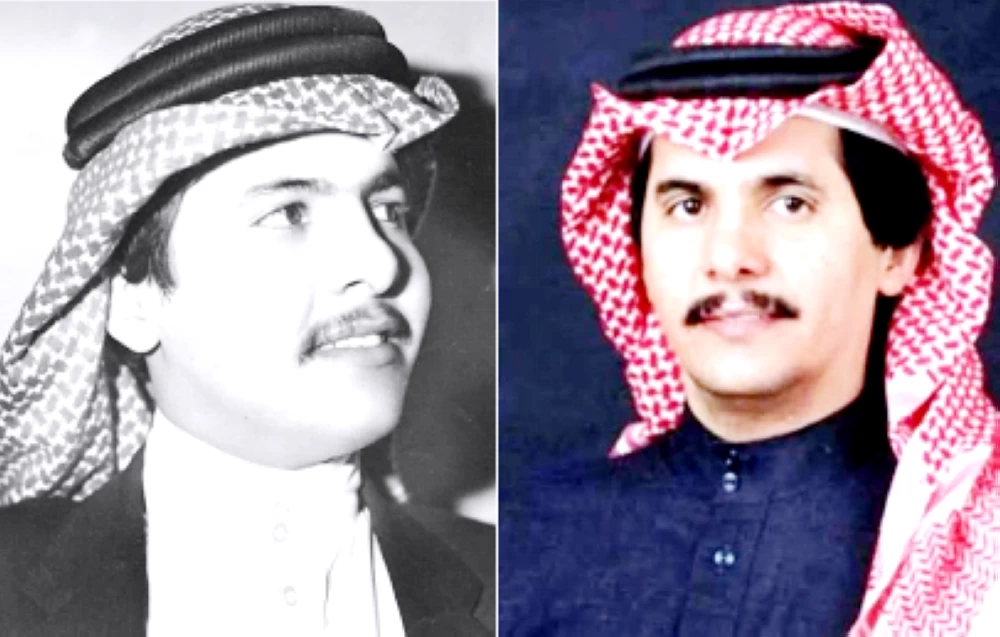
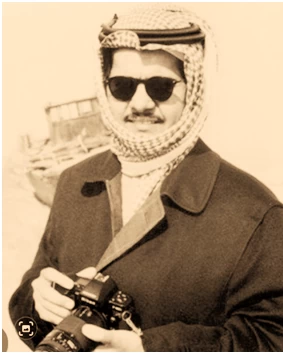
وفي عالمنا العربي، الذي يعتبر «أبوعلي الحسن بن الهيثم» (965 ــ 1040)، هو المخترع الأب للتصوير منذ أن بدأ أبحاثه في الضوء والبصريات، حينما كان معتقلاً في القاهرة زمن الخليفة الحاكم بأمر الله، برزت أسماء كثيرة حظي بعضها بجوائز عالمية مهمة لبراعتها في التقاط صور تغني عن ألف مقال وكتاب. لكن يبقى المصور والكاتب والصحافي السعودي الراحل صالح العزاز، سيرة يجب أن تروى، ليس لأنه عشق التصوير ومارسه في مجتمع كان يحرم التصوير فقط، وليس لأنه عانى الأمرين من المتشددين الذين طاردوه بفتاواهم المحرمة لكل ما له علاقة بالكاميرا وفنون التصوير فحسب، وإنما أيضاً لأنه، رحمه الله، نظر إلى التصوير كفلسفة بإمكانها أن تقول أشياء عديدة وتخلق أفكاراً كثيرة، ناهيك عن إيمانه القوي بصواب عشقه للتصوير وعدم استسلامه وتمسكه بموقفه.
قال عنه مواطنه الإعلامي الكبير عثمان العمير، إن التصوير عند العزاز كان بمثابة العشق ونوع من أنواع الممارسة العاطفية اليومية، ووصفه الفيلسوف السعودي إبراهيم البليهي، في برنامج «الراحل» من قناة روتانا، من تقديم الإعلامي محمد الخميسي، بصاحب الحس الإنساني الرفيع الذي أراد بصوره أن يقول للناس كيف يمكن أن ينتقلوا من حالة التعاسة إلى حالة السعادة، بينما نعته المسرحي والإعلامي والمستشار سلطان البازعي بالشخصية النبيلة المسالمة، التي تعرضت للظلم والأذى من قبل الجهلة وذوي الأفكار المسبقة ممن دخلوا معه من دون وعي في خصومة فاجرة. أما صديقه الإعلامي والدبلوماسي تركي الدخيل، فقد قال عنه في مقال نشره في «عكاظ» (31/ 10/ 2019): «كان صالح رجلاً، أشبه بمن يستيقظ كل فجر، ليمخر عباب الأحياء، ويسير في الأزقة، ليوزع الورود، ويغرس الشتلات، ويميط الأذى؛ الحسي عن الطريق، والمعنوي عن الناس. يمنح بكرم وسخاء، كل من يواجه، ابتسامة حلوة، تفيض إيجابية وتشجيعاً، ابتسامةً تشبه شعاع شمسٍ، يظهر كبشرى لمن ضاق ذرعاً بظلمة تتلبسه، ولا يعرف كيف يتجاوزها».
ولد صالح عبدالله سليمان العزاز بمدينة الخبراء بالقصيم في وسط نجد سنة 1959، ونشأ في بيئتها المحافظة، وتأثر منذ صغره بمشهد واحات النخيل الخضراء وحمرة الرمال وبيوت الطين الأثرية التي يحتضنها مسقط رأسه، كما تأثر بحكايات جدته الكفيفة موضي الشايع، التي ملأت ذهنه بعوالم الجمال المليئة بالصور.
في ريعان شبابه، انتقل إلى الرياض لإكمال دراسته في المرحلة المتوسطة، وهناك تعرف على عثمان العمير، الذي كان وقتها يعمل محرراً بجريدة «الجزيرة»، والذي وجد فيه خامة صحفية جيدة بأفكار متنورة وتراكمات ثقافية ناجمة عن ولعه منذ الصغر بالقراءة ومتابعة الصحف والمجلات، فدعاه للكتابة في «الجزيرة»، فكانت تلك بداية طريقه نحو الصحافة التي لم يفكر قبلاً في اقتحامها؛ لأن شغله الشاغل كان هو امتلاك آلة تصوير كي يصور بها رفاقه في المدرسة، ويسجل فوتوغرافياً لحظاته الحلوة بصحبتهم. كان هذا قبل أن يحقق حلمه ويمتلك الكاميرا بالفعل ويتعرف على تقنياتها وينصرف إلى تصوير أشياء أخرى ذات صلة بمجتمعه غير الوجوه والبشر، مثل رمال الصحراء وشمس الغروب وقوافل الجمال وواحات النخيل.
بعد تخرجه من المرحلة الثانوية، ولّى وجهه شطر الساحل الشرقي من وطنه لدراسة الهندسة بجامعة الملك فيصل. وربما لو وُجدتْ كلية للتصوير آنذاك داخل تلك الجامعة أو أي جامعة محلية أخرى لما اختار تخصص الهندسة التي درسها 3 سنوات، ثم هجرها بعد أن شعر بأنها ليست المجال الذي يشبع طموحاته. غير أن صاحبنا استهوته أجواء شرق بلاده، حيث المجتمع أكثر انفتاحاً والحياة أكثر بهجة وسلاسة، والناس أكثر تقبلاً لأفكاره، والسواحل والشواطئ الزمردية أكثر إلهاماً، فبقي في الدمام التي قابل فيها صديقه عثمان العمير مجدداً، حيث كان العمير وقتذاك يترأس تحرير جريدة «اليوم» الصادرة من الدمام.
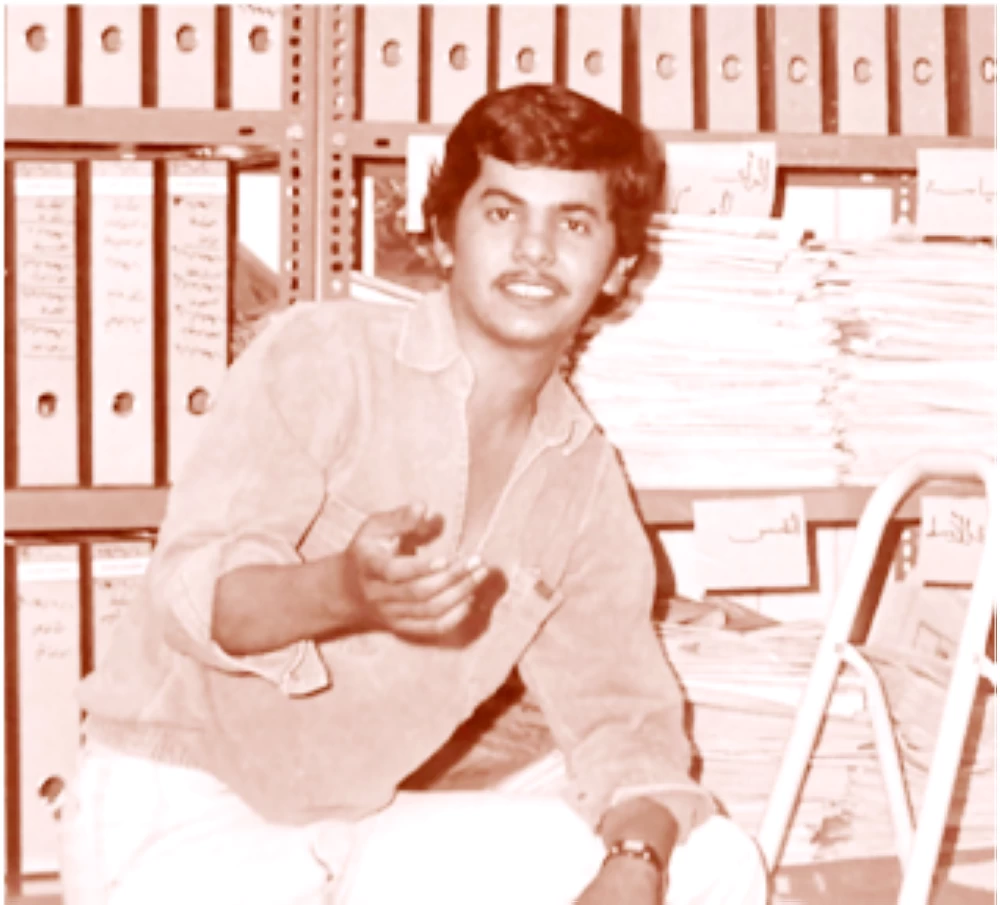
يقول العمير، إنه فوجئ بدخول العزاز عليه في مكتبه بجريدة «اليوم»، وهو يرتدي الملابس الإفرنجية كعادة أبناء المنطقة الشرقية، ليخبره أنه صار طالباً بجامعة الملك فيصل. ويعترف العمير أنه قال لصاحبنا ما مفاده، إن الشهادة الجامعية لن توصلك إلى مرادك بالضرورة، وإنه من الأفضل أن تواصل ما بدأته في «الجزيرة» هنا في صحيفة «اليوم»، فقبل الفكرة وراح يتدرج من متدرب إلى مساعد محرر فمحرر فرئيس للتحرير. كان العمير وقتها يستعد لمغادرة «اليوم» إلى لندن ليترأس هناك تحرير مجلة «المجلة»، وكان بحاجة لشخص يحل مكانه، وحينما سأل العاملين معه عمن يرشحون لخلافته، كان هناك إجماع على العزاز، بسبب حيويته ونشاطه وملكاته القيادية وأفكاره الخلاقة. وهكذا قُدّر للعزاز أن يقود تحرير «اليوم» بالنيابة وهو لم يتجاوز سن الثانية والعشرين، ومن دون خبرة صحفية طويلة مسبقة، الأمر الذي أوقعه في مشاكل عطلت مسيرته لبعض الوقت. يقول العمير، إن البعض استغل نقطة الضعف تلك عند العزاز لنشر بعض الأمور المحظورة، وهو ما أودى به إلى السجن، حيث تعرف للمرة الأولى في حياته على تجربة المعتقل.
وأثناء قيادته لفريق العمل في صحيفة «اليوم»، راح يكتب التحقيقات الصحفية المثيرة المدعمة بلقطات فوتوغرافية من تصويره، وهو مسترخٍ بمكتبه يستمع إلى الموسيقى الغربية الهادئة من إذاعة أرامكو، والتي تولع بها وناسبت عشقه للهدوء والسكينة. فكانت تجربته في «اليوم» هي الفرصة التي شرعتْ له الأبواب ليبرز كواحد من الشباب الموهوبين في مجالي الكتابة والتصوير معاً.
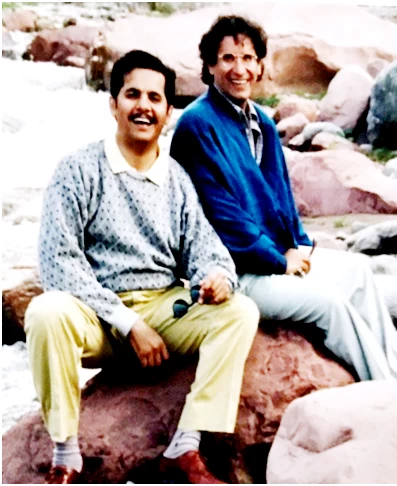
من الدمام انتقل إلى الرياض، لكن هذه المرة ليس كطالب يلتمس طريقه وإنما كاسم صحفي معروف، وهو ما جعله هدفاً للاستقطاب من قبل أكثر من مطبوعة، فكتب في مجلة اليمامة، وصحيفة الشرق الأوسط، وجريدة «القبس» الكويتية، تاركاً في كل منها بصمة وألقاً. ثم ترأس تحرير مجلة غرفة الرياض التجارية، محدثاً فيها تغييراً شاملاً، فصارت مقروءة ومطلوبة أكثر من أي وقت مضى. ومن الرياض إلى لندن، حيث التقى هناك مجدداً بمعلمه وصديقه عثمان العمير، الذي لم يتردد في دعوته للعمل بمجلة «المجلة»، رغم اعتراض البعض على توظيفه بدعوى أنه كان معتقلاً. وأخبرنا الأستاذ عثمان العمير في شهادته عن العزاز خلال برنامج «الراحل» من قناة روتانا، أنه اصطحب معه العزاز ذات مرة إلى براغ، مدينة الفن والموسيقى والمعارض والجمال، فكان كلما رأى شيئاً مبهجاً يقول متى سيكون لدينا مثل هذا أو ذاك في بلادنا. واستنتج العمير من تصرفه هذا أنه كان مهموماً بكيفية إحداث تغيير اجتماعي في بلاده.
في نوفمبر 1990، استل العزاز كاميرته وانطلق بجرأة ليصور مظاهرة النساء السعوديات المطالبات بقيادة السيارة. لم يأبه بخطورة الحدث ولا بخطورة عمله. كان يريد فقط توثيق حدث غير مسبوق في تاريخ وطنه، خصوصاً وأنه كان يحلم بأن يرى بناته وهن يقدن سياراتهن الخاصة بحرية، وهو ما تحقق لهن ولغيرهن، لكن بعد رحيله بسنوات. وبصنيعته تلك وجد نفسه أمام تيار صحوي يطالب بإيقافه ومحاكمته بتهمة الترويج لعادات دخيلة على المجتمع. ووصلت الأمور حينذاك إلى درجة قيام إحدى معلمات بناته من المتشددات بتخويفها وإبلاغها أن والدها يقترف ذنباً عظيماً، وأنه وكل أسرته سيلقون عذاباً أليماً في الآخرة؛ لأن التصوير من الكبائر. وعلى إثر الوشاية به تم إيقافه ومساءلته، قبل أن يعود إلى المشهد الإعلامي مرفوع الرأس، وقد صمم على صناعة إعلام جديد، ركيزته مزج الكلمة الصادقة بالصورة المعبرة. لكنه قرر في لحظة تفكير وتأمل أن يترك العمل في المؤسسات الصحفية وأن يكتفي بالتصوير وكتابة المقال. وكان وقتها قد بنى لنفسه سمعة وطيدة لدى العديد من مؤسسات التصوير العالمية، كمصور سعودي صاحب بصمة فوتوغرافية خاصة، وهو ما تجلى بوضوح في معرض أقامه بالرياض سنة 1996 لعرض أعماله، ومنها صور اختيرت من قبل المفكرين الدكتور غازي القصيبي والدكتور تركي الحمد كأغلفة لرواياتهما الاجتماعية. وفي عام 1997 تأكد حضوره على المستوى العالمي كمصور بارع، وذلك حينما نال جائزة المرتبة الثانية في مهرجان الاتحاد العالمي للمصورين الذي أقيم في الصين في تلك السنة. أما آخر معارضه الفنية، فكان في شكل غير مسبوق سنة 2001، وأقامه تحت اسم «بلا حدود» وسط الصحراء.
وللعزاز تجربة بصرية وأدبية فريدة مع الشاعر البحريني قاسم حداد، إذ تعاونا في تأليف كتاب «المستحيل الأزرق» سنة 2001، وهو كتاب تمت ترجمته إلى الإنجليزية والفرنسية، ويتضمن دمجاً ما بين فوتوغرافيا العزاز ونصوص حداد الشعرية. كما له تجربة إصدار كتاب مصور بعنوان «الجنادرية.. الحدث»، تعاون في إصداره سنة 1994 مع صديقه ورفيق دربه حمد العبدلي، والكتاب يوثق بالصور الفوتوغرافية فعاليات وأجواء مهرجان الجنادرية التراثي. إلى ما سبق أصدر كتاب «العودة إلى الأرض» بالعربية والإنجليزية، الذي وثق فيه بالصور الضوئية أساليب البناء بالطين.
«عش العنكبوت»
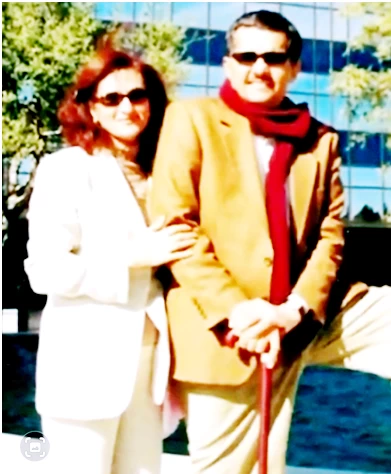
في صيف عام 2002، سافر مع شريكة حياته السيدة بدرية القبلان وأبنائه الخمسة منها، إلى الولايات المتحدة في رحلة سياحية، مبتدئين بولاية ألاسكا التي كان العزاز عازماً على تصوير ثلوجها، بل تصوير سيدة سعودية بعباءتها السوداء فوق الجليد البارد مقابل صورتها فوق رمال الصحراء الحارقة. قضت العائلة أوقاتاً سعيدة وجميلة في أحضان ألاسكا وكاليفورنيا، قبل أن تنقلب إلى أوقات حزينة ومؤلمة. فقد شعر العزاز خلال الرحلة بتعب شديد استدعى دخوله المستشفى ليكتشف الأطباء أنه مصاب بورم سرطاني في الدماغ. وعلى إثر ذلك، خضع للعلاج ولعدة عمليات جراحية في مستشفى بلاس فيغاس، ثم انتقل إلى هيوستن لمواصلة حربه ضد ما أسماه بـ«عش العنكبوت» بالعلاج الكيماوي لمدة عام ونصف العام، كانت زوجته إلى جانبه لحظة بلحظة، بينما أعاد أبناءه إلى الوطن، حرصاً منه بألا يشغلهم بمصيبته أو يشعرهم بتغيير في حياتهم.
أخبره الأطباء، أن المرض أسرع في الانتشار داخل جسده من وسائل الحد منه، وأن عليه أن يستعد للرحيل. وبانتظار نهايته، راح يكتب يوميات مرضه بلغة رصينة وبليغة، ويبعثها لصديقه عثمان العمير كي ينشرها الأخير في صحيفة «الشرق الأوسط»، فتعاطف معه الكثيرون، واهتم المسؤولون وكبار الشخصيات الإعلامية والثقافية بمرضه وأحواله، ما خفف عليه ما مرّ به من تجارب مؤلمة سابقة.
ترك وراءه ثروة من الأبناء النجباء
ومع مطلع عام 2002، بدأ الرجل يدخل مرحلة الغيبوبة، فتم نقله بطائرة الإخلاء الطبي إلى الرياض، ودخل المستشفى التخصصي الذي لم يتمكن أطباؤه من مساعدته. ثم أعلن المستشفى في الخامس عشر من ديسمبر 2002 خبر وفاته عن 43 عاماً فقط، ليسدل الستار على حياة إنسان أجمع كل الذين عرفوه على أنه كان نبيلاً ومسالِماً ومؤمناً وشجاعاً ومتفرداً في أسلوب حياته ونمط تعامله مع الآخر، ومتميزاً برهافة الحس والميل لكل ما هو جميل وحالم.
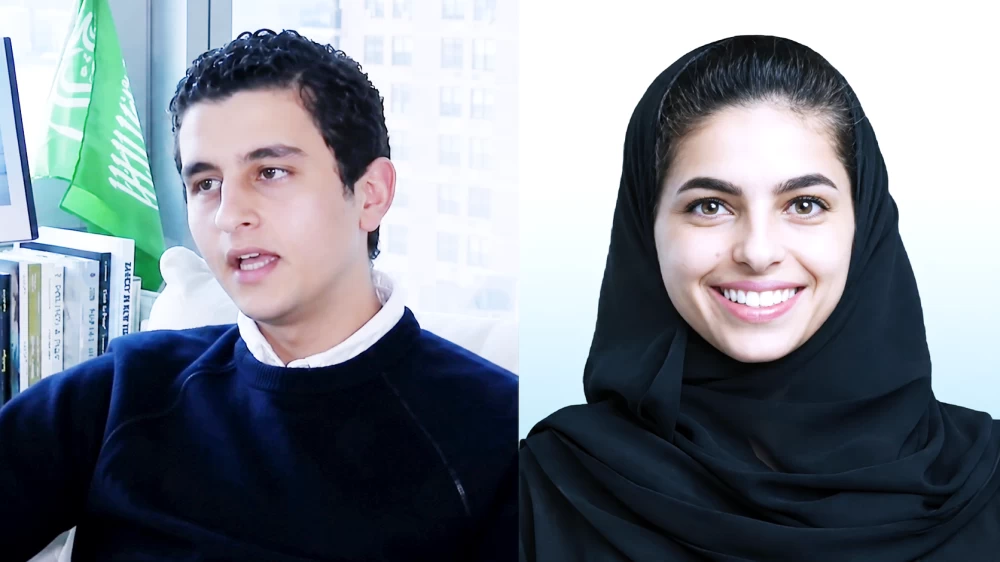
لقد رحل عن دنيانا، لكن عزاءه أنه ترك وراءه ثروة من الأبناء النجباء لوطنه. فابنته الكبرى الشيهانة عملت في مناصب رفيعة، مثل نائب الأمين العام لمجلس الوزراء والأمين العام لمجلس إدارة صندوق الاستثمارات العامة والمستشار القانوني للصندوق. وشهد، صارت مهندسة معمارية، عملت في إسبانيا لدى مكتب هندسي عريق لمدة سبع سنوات، ثم انتقلت إلى الرياض، وأسست مكتبها الخاص، والشهلاء، صارت مهندسة طيران وعملت في أمريكا، ثم عادت للوطن، لتعمل على توطين الصناعات العسكرية في الهيئة العامة للصناعات العسكرية، وولده عبدالله، أصبح مهندساً وعمل في نيويورك ثلاثة أعوام في قطاع النفط والغاز، ثم انتقل لإكمال المسيرة في لندن، وله نصيب في التصوير والكتابة، وآخر العنقود، ليانا، تخرجت من الجامعة في نيويورك عام 2019 وتعمل مع إحدى شركات التقنية النيويوركية، وهي التي لم تتجاوز السنوات الست يوم رحيل والدها.
وكان آخر ما كتبه قبل رحيله: «ما أجمل أن تموت، وأنت ترغب في ازدياد. رائع أن تترك الحياة، وأنت تموت، حباً ورغبةً فيها. جميلٌ أن تقول للموت: أرجوك... تمهل قليلاً... ثم، إذا به... لا يسمعك».
Since the Frenchman Louis Daguerre invented the photographic camera in its modern form, photography and its tools and techniques have been in continuous development, with its enthusiasts increasing, ranging from amateurs to professionals, some using it as a source of livelihood, others for individual and collective historical documentation, and some considering it a philosophy of life and a language to describe place and time.
In our Arab world, which considers "Abu Ali Al-Hasan Ibn Al-Haytham" (965 - 1040) as the father of photography since he began his research on light and optics while imprisoned in Cairo during the time of the Caliph Al-Hakim bi-Amr Allah, many names have emerged, some of whom have received significant international awards for their excellence in capturing images that convey more than a thousand articles and books. However, the late Saudi photographer, writer, and journalist Saleh Al-Azzaz remains a story that must be told, not only because he loved photography and practiced it in a society that prohibited it, nor because he suffered greatly from extremists who pursued him with their fatwas prohibiting everything related to the camera and the arts of photography, but also because, may God have mercy on him, he viewed photography as a philosophy that could express many things and create numerous ideas, not to mention his strong belief in the righteousness of his passion for photography and his refusal to surrender and his steadfastness in his position.
His fellow citizen, the prominent media figure Othman Al-Omair, said that photography for Al-Azzaz was akin to love and a form of daily emotional practice. The Saudi philosopher Ibrahim Al-Bulaihi described him in the program "The Late" on Rotana Channel, hosted by media figure Mohammed Al-Khamisi, as a person with a refined human sensibility who wanted through his images to show people how they could transition from a state of misery to a state of happiness. Meanwhile, the playwright, media figure, and advisor Sultan Al-Bazai characterized him as a noble, peaceful personality who suffered injustice and harm from the ignorant and those with preconceived ideas who entered into a vicious feud with him without awareness. As for his friend, the media figure and diplomat Turki Al-Dakhil, he wrote in an article published in "Okaz" (31/10/2019): "Saleh was a man, akin to one who wakes up every dawn to navigate the neighborhoods, walk through the alleys, distribute flowers, plant seedlings, and remove physical and moral harm from the road. He generously and graciously offers a sweet smile to everyone he encounters, overflowing with positivity and encouragement, a smile resembling a sunbeam, appearing as a harbinger for those who are overwhelmed by darkness and do not know how to overcome it."
Saleh Abdullah Suleiman Al-Azzaz was born in the city of Al-Khobar in Al-Qassim in central Najd in 1959, and he grew up in its conservative environment. From a young age, he was influenced by the sight of green palm oases, the reddish sands, and the ancient mud houses that embraced his birthplace, as well as by the stories of his blind grandmother, Moudhi Al-Shaya, who filled his mind with worlds of beauty filled with images.
In the prime of his youth, he moved to Riyadh to complete his intermediate studies, where he met Othman Al-Omair, who was then working as an editor at "Al-Jazirah" newspaper. Al-Omair found in him a good journalistic material with enlightened ideas and cultural accumulations resulting from his childhood passion for reading and following newspapers and magazines, so he invited him to write for "Al-Jazirah." This was the beginning of his path towards journalism, which he had not previously considered entering; his main concern was to own a camera to photograph his schoolmates and to document his sweet moments with them photographically. This was before he realized his dream and actually owned a camera, learned its techniques, and turned to photographing other things related to his community beyond faces and people, such as desert sands, sunsets, caravans of camels, and palm oases.
After graduating from high school, he turned his attention to the eastern coast of his country to study engineering at King Faisal University. Perhaps if there had been a photography college at that time within that university or any other local university, he would not have chosen the engineering specialization that he studied for three years before abandoning it after feeling that it was not the field that fulfilled his ambitions. However, our friend was captivated by the atmosphere of the eastern part of his country, where society was more open, life was more joyful and smooth, and people were more accepting of his ideas, and the emerald shores and beaches were more inspiring. He remained in Dammam, where he met his friend Othman Al-Omair again, who at that time was the editor-in-chief of "Al-Youm" newspaper published in Dammam.
Al-Omair says he was surprised when Al-Azzaz entered his office at "Al-Youm" wearing Western clothes, as is customary for the people of the eastern region, to inform him that he had become a student at King Faisal University. Al-Omair admits that he told our friend something to the effect that a university degree would not necessarily lead him to his goal, and that it would be better for him to continue what he had started at "Al-Jazirah" here at "Al-Youm." He accepted the idea and gradually progressed from an intern to an assistant editor, then to an editor, and finally to editor-in-chief. At that time, Al-Omair was preparing to leave "Al-Youm" for London to head the editorial department of "Al-Majalla" magazine, and he needed someone to take his place. When he asked his colleagues who they would recommend to succeed him, there was a consensus on Al-Azzaz due to his vitality, activity, leadership qualities, and creative ideas. Thus, it was destined for Al-Azzaz to lead the editorial department of "Al-Youm" on behalf of someone who had not yet reached the age of twenty-two and without prior extensive journalistic experience, which led him into problems that delayed his career for some time. Al-Omair says that some exploited this weakness in Al-Azzaz to publish some prohibited matters, which led to his imprisonment, where he experienced for the first time in his life the experience of being detained.
While leading the team at "Al-Youm," he began writing exciting investigative reports supported by photographs he took, while relaxing in his office listening to soft Western music from Aramco Radio, which he was passionate about and which suited his love for calm and tranquility. His experience at "Al-Youm" was the opportunity that opened doors for him to emerge as one of the talented youth in both writing and photography.
From Dammam, he moved to Riyadh, but this time not as a student seeking his path but as a well-known journalistic name, which made him a target for recruitment by more than one publication. He wrote for Al-Yamamah magazine, Al-Middle East newspaper, and the Kuwaiti "Al-Qabas" newspaper, leaving a mark and brilliance in each. He then headed the editorial department of the Riyadh Chamber of Commerce magazine, making comprehensive changes that made it more readable and sought after than ever before. From Riyadh to London, where he met again with his teacher and friend Othman Al-Omair, who did not hesitate to invite him to work at "Al-Majalla," despite some objections to hiring him on the grounds that he had been detained. Professor Othman Al-Omair told us in his testimony about Al-Azzaz during the program "The Late" on Rotana Channel that he once took Al-Azzaz to Prague, the city of art, music, exhibitions, and beauty, and every time he saw something delightful, he would say, "When will we have something like this or that in our country?" Al-Omair concluded from this behavior that he was concerned with how to bring about social change in his country.
In November 1990, Al-Azzaz took his camera and boldly set out to photograph a demonstration of Saudi women demanding the right to drive. He did not care about the seriousness of the event or the danger of his work. He only wanted to document an unprecedented event in the history of his country, especially since he dreamed of seeing his daughters driving their own cars freely, which was achieved for them and others, but years after his departure. With this act, he found himself facing a revivalist current that demanded his arrest and trial on charges of promoting customs foreign to society. At that time, things reached the point where one of his daughters' teachers, who was an extremist, frightened her and informed her that her father was committing a great sin and that he and his entire family would face painful torment in the afterlife because photography is one of the major sins. Following the denunciation against him, he was stopped and questioned before returning to the media scene with his head held high, determined to create a new media based on blending truthful words with expressive images. However, he decided in a moment of reflection to leave work in journalistic institutions and to focus on photography and writing articles. By that time, he had built a solid reputation with many international photography institutions as a Saudi photographer with a unique photographic fingerprint, which was clearly manifested in an exhibition he held in Riyadh in 1996 to showcase his works, including photographs chosen by thinkers Dr. Ghazi Al-Qusaibi and Dr. Turki Al-Hamad as covers for their social novels. In 1997, he confirmed his presence on the global level as a skilled photographer when he won second place at the World Federation of Photographers Festival held in China that year. His last art exhibition was in an unprecedented format in 2001, held under the name "Without Borders" in the middle of the desert.
Al-Azzaz had a unique visual and literary experience with Bahraini poet Qassem Haddad, as they collaborated on the book "The Blue Impossible" in 2001, a book translated into English and French, which includes a blend of Al-Azzaz's photography and Haddad's poetic texts. He also had the experience of publishing a photographic book titled "Janadriyah... The Event," which he co-published in 1994 with his friend and companion Hamad Al-Abdali, documenting the activities and atmosphere of the Janadriyah Heritage Festival through photographs. In addition to the above, he published the book "Return to the Land" in Arabic and English, which documented through photographic images the methods of building with mud.
"The Spider's Nest"
In the summer of 2002, he traveled with his life partner, Mrs. Badriya Al-Qablan, and their five children to the United States on a tourist trip, starting in Alaska, where Al-Azzaz was determined to photograph its snow, and even to photograph a Saudi woman in her black abaya on the cold ice, contrasting with her image on the scorching desert sands. The family spent happy and beautiful times in the embrace of Alaska and California before it turned into sad and painful times. During the trip, Al-Azzaz felt severe fatigue that necessitated his hospitalization, where doctors discovered he had a brain tumor. Following this, he underwent treatment and several surgeries at a hospital in Las Vegas, then moved to Houston to continue his battle against what he called "The Spider's Nest" with chemotherapy for a year and a half, during which his wife was by his side every moment, while he sent his children back home, keen not to burden them with his misfortune or make them feel a change in their lives.
The doctors informed him that the disease was spreading faster in his body than the means to limit it, and that he should prepare for departure. While awaiting his end, he began writing his illness diary in a sober and eloquent language, sending it to his friend Othman Al-Omair to publish in "Al-Middle East" newspaper, which garnered sympathy from many, and officials and prominent media and cultural figures showed concern for his illness and circumstances, which alleviated some of the painful experiences he had previously gone through.
He left behind a wealth of noble children
With the beginning of 2002, the man began to enter a state of coma, so he was transferred by medical evacuation plane to Riyadh, and he entered the specialized hospital where its doctors could not help him. The hospital then announced on December 15, 2002, the news of his death at only 43 years old, closing the curtain on the life of a person whom everyone who knew him agreed was noble, peaceful, faithful, courageous, and unique in his way of life and his manner of dealing with others, distinguished by his sensitivity and inclination towards all that is beautiful and dreamy.
He departed from our world, but his consolation is that he left behind a wealth of noble children for his country. His eldest daughter, Al-Shayhana, held high positions, such as Deputy Secretary-General of the Council of Ministers, Secretary-General of the Board of Directors of the Public Investment Fund, and Legal Advisor to the Fund. Shahd became an architect, working in Spain at a prestigious engineering office for seven years before moving to Riyadh to establish her own office. Al-Shahlah became an aerospace engineer and worked in America before returning to her homeland to work on localizing military industries at the General Authority for Military Industries. His son Abdullah became an engineer and worked in New York for three years in the oil and gas sector before moving to continue his journey in London, and he has a share in photography and writing. The youngest, Liana, graduated from university in New York in 2019 and works with a New York tech company, having been only six years old when her father passed away.
His last words before his departure were: "How beautiful it is to die while you desire to live more. It is wonderful to leave life while you are dying, loving it and yearning for it. It is beautiful to say to death: Please... take your time... then, if it... does not hear you."