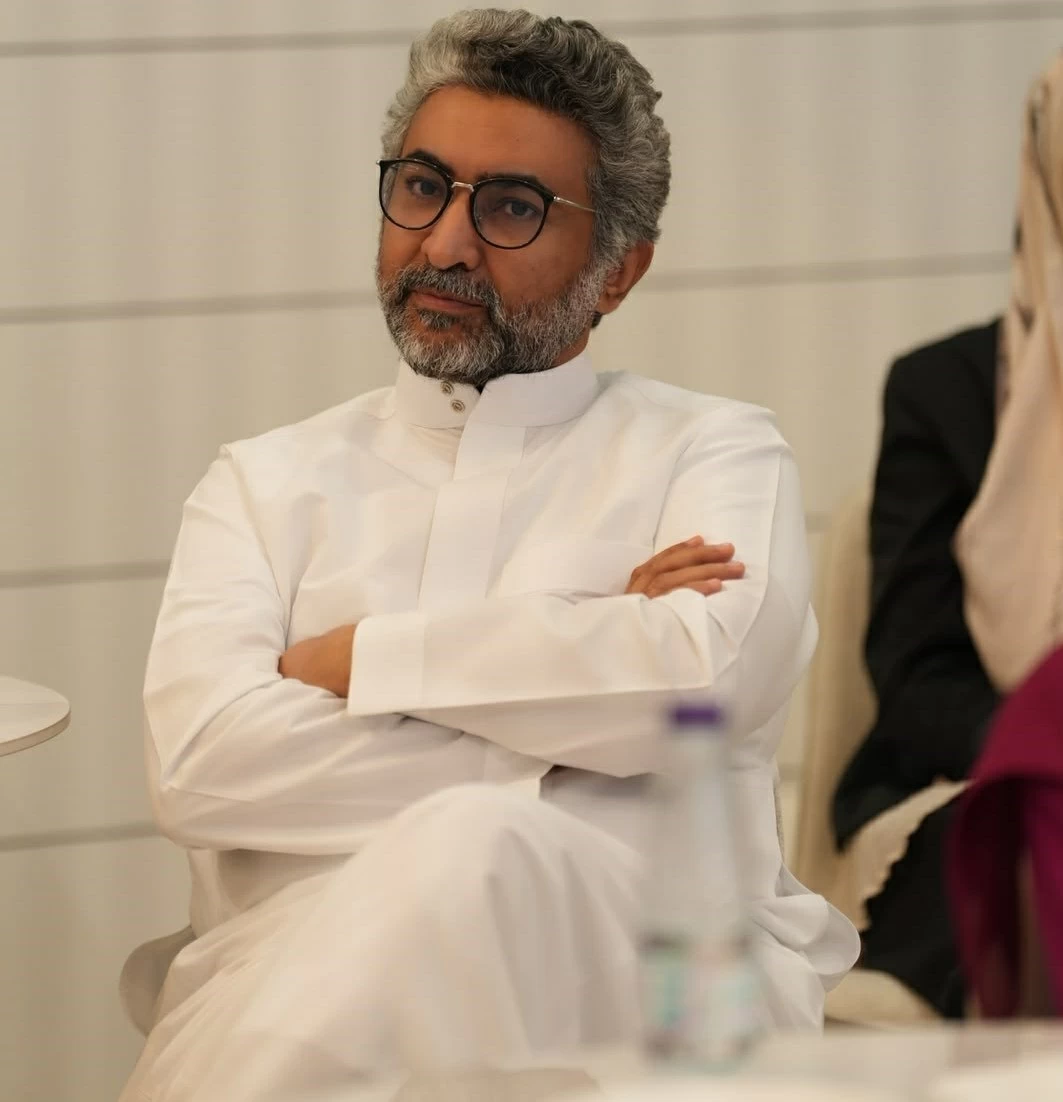
لم يمضِ وقت طويل على إعلان القائمة الطويلة لجائزة الأدب المهنية في دورتها الأولى، في فرع الرواية، حتى برز سؤال حول آليات الاستبعاد ومعايير الانتقال بين مراحل المنافسة، بعدما أعلن الروائي سالم الصقور اعتراضه على خروج روايته «القبيلة التي تضحك ليلاً» من المنافسة.
الصقور قال لـ «عكاظ» إنّ اعتراضه لا يتعلق بعدم حصول روايته على الجائزة، ولا بنتائج المفاضلة بين الأعمال، وإنما بسبب استبعادها من المنافسة، موضحاً أنّ السبب الذي أُبلغ به -بحسب قوله- لا يتصل بالقيمة الأدبية أو الفنية للرواية.
وفتح موقف الصقور سؤالاً يتجاوز روايته إلى آليات الجائزة في دورتها الأولى: هل تظل الشروط المعلنة عند الترشح هي المرجع في جميع مراحل المنافسة، أم يمكن أن تُطبق معايير أخرى خلال عملية الفرز والاستبعاد؟
الرواية قُبلت في المنافسة
الصقور قال إنّه اطلع قبل التقدم للجائزة على شروط الترشح المعلنة، واختار فرع الرواية للمشاركة بعمله «القبيلة التي تضحك ليلاً»، قبل أن يتلقى عبر البريد الإلكتروني الرسمي لجمعية الأدب المهنية ما يفيد بقبول مشاركته وتسلُّم الرواية ضمن الأعمال المتقدمة للجائزة.
وبحسب روايته، فإنّ شروط المشاركة المنشورة كانت واضحة ومحددة، ولذلك لم يجد ما يحول دون تقدم الرواية للمنافسة، غير أنّ مسار العمل -وفق حديثه- تغير قبل نحو شهرين من إعلان القائمة الطويلة، عندما تلقى اتصالاً هاتفياً من أحد المسؤولين في جمعية الأدب المهنية.
وأوضح الصقور أنّ المسؤول تحدّث معه عن الرواية وأبدى -بحسب قوله- تقديراً لها من الناحيتين الأدبية والفنية، قبل أن يبلغه بأنها لن تتمكن من مواصلة المنافسة.
وأكّد الصقور أنّ السبب الذي أُبلغ به لا يتعلق -بحسب ما فهمه من الاتصال- بالمستوى الأدبي أو الفني للرواية، ولا بنتيجة تقييم لجنة التحكيم.
لا أعترض على النتيجة.. بل على المعيار
شدّد الصقور على أنّه لا يعترض على حق لجنة التحكيم في المفاضلة بين الأعمال واختيار ما تراه جديراً بالتقدم أو الفوز، مؤكداً أنّ عدم الحصول على جائزة أدبية ليس أمراً استثنائياً بالنسبة إليه، وأنّه سبق أن خاض تجارب مماثلة، لكنّ ما يراه مختلفاً هذه المرة -بحسب قوله- هو طبيعة السبب الذي أُبلغ به لاستبعاد الرواية.
واختصر الصقور اعتراضه في مبدأ رأى أنّه يتجاوز مشاركته الشخصية، مفاده أنّ الكاتب يتقدم إلى الجائزة وفق شروط محددة، ومن ثم يفترض أن تكون الشروط ذاتها هي المرجع في تقييم مشاركته واستمرارها في المنافسة.
لماذا طرح القضية علناً؟
الصقور قال إنّه اختار طرح القضية علناً بهدف الحصول على توضيح من الجهة المنظمة بشأن المعايير التي أدت إلى استبعاد روايته، مؤكداً أنّ هدفه ليس المطالبة بمنحها أفضلية على الأعمال الأخرى، ولا التشكيك في أحقيّة الروايات التي وصلت إلى القائمة الطويلة.
ورأى أنّ القضية تتصل -من وجهة نظره- بشفافية إجراءات الجائزة، وبحق المتقدمين في معرفة القواعد التي تحكم مشاركاتهم منذ لحظة الترشح وحتى إعلان النتائج.
وأضاف أنّ الكاتب يستطيع تجاوز خسارة جائزة، كما تستطيع الرواية أن تجد طريقها إلى القراء، لكنّ الجائزة نفسها تحتاج إلى وقت لبناء رصيد من الثقة داخل الوسط الثقافي.
«جمعية الأدب»: الجائزة للأعمال التي فُسحت إعلامياً
في المقابل، أوضح الرئيس التنفيذي لجمعية الأدب المهنية عبدالله مفتاح لـ«عكاظ» أنّ الجائزة مخصّصة للأعمال التي فُسحت إعلامياً في المملكة، مشيراً إلى أنّ الروائي أرسل نسخة من العمل لا تحتوي على فسح إعلامي عبر منصة التقديم على الجوائز، وقامت الجمعية بالتواصل معه ولكنه لم يرسل نسخة عليها فسح إعلامي.
شروط جائزة الرواية:
1) أن يكون العمل مطبوعاً وأصيلاً وضمن حقوق الملكية الفكرية للمؤلف.
2) أن يكون مكتوباً باللغة العربية الفصحى.
3) ألا يكون قد فاز بجائزة أخرى.
4) أن يلتزم المشارك بتقديم العمل بصيغة PDF عبر المنصة الإلكترونية.
5) ألا يكون من أعضاء مجلس إدارة الجمعية أو إدارتها التنفيذية أو أمانتها.
It wasn't long after the announcement of the long list for the inaugural Professional Literature Prize, in the novel category, that a question arose regarding the exclusion mechanisms and criteria for advancing through the competition stages, after novelist Salem Al-Saqour expressed his objection to his novel "The Tribe That Laughs at Night" being eliminated from the competition.
Al-Saqour told "Okaz" that his objection is not related to his novel not winning the prize, nor to the results of the evaluation between the works, but rather due to its exclusion from the competition, clarifying that the reason he was informed of - according to him - does not pertain to the literary or artistic value of the novel.
Al-Saqour's stance raised a question that goes beyond his novel to the mechanisms of the prize in its first round: Do the announced conditions at the time of nomination remain the reference in all stages of the competition, or can other criteria be applied during the sorting and exclusion process?
The novel was accepted in the competition
Al-Saqour stated that he reviewed the announced nomination conditions before applying for the prize and chose the novel category to participate with his work "The Tribe That Laughs at Night," before receiving an official email from the Professional Literature Association confirming the acceptance of his participation and the receipt of the novel among the works submitted for the prize.
According to his account, the published participation conditions were clear and specific, and therefore he found no reason preventing the novel from competing. However, the course of events - according to him - changed about two months before the announcement of the long list when he received a phone call from one of the officials at the Professional Literature Association.
Al-Saqour explained that the official spoke with him about the novel and expressed - according to him - appreciation for it from both literary and artistic perspectives, before informing him that it would not be able to continue in the competition.
Al-Saqour confirmed that the reason he was informed of does not relate - based on what he understood from the call - to the literary or artistic level of the novel, nor to the evaluation result of the judging panel.
I do not object to the result... but to the criterion
Al-Saqour emphasized that he does not object to the right of the judging panel to evaluate the works and choose what it deems worthy of advancing or winning, affirming that not winning a literary prize is not an exceptional matter for him, and that he has previously experienced similar situations. However, what he sees as different this time - according to him - is the nature of the reason he was informed of for the exclusion of the novel.
Al-Saqour summarized his objection in a principle that he believes transcends his personal participation, stating that the writer submits to the prize according to specific conditions, and thus the same conditions should be the reference in evaluating his participation and its continuation in the competition.
Why raise the issue publicly?
Al-Saqour said that he chose to raise the issue publicly in order to obtain clarification from the organizing body regarding the criteria that led to the exclusion of his novel, affirming that his goal is not to demand preferential treatment for it over other works, nor to question the legitimacy of the novels that made it to the long list.
He believes that the issue is related - from his perspective - to the transparency of the prize's procedures, and to the right of applicants to know the rules governing their submissions from the moment of nomination until the announcement of results.
He added that a writer can overcome the loss of a prize, just as a novel can find its way to readers, but the prize itself needs time to build a reservoir of trust within the cultural community.
"Literature Association": The prize is for works that have been publicly approved
In contrast, the CEO of the Professional Literature Association, Abdullah Muftah, clarified to "Okaz" that the prize is designated for works that have been publicly approved in the Kingdom, noting that the novelist submitted a version of the work that did not contain public approval through the awards submission platform, and the association contacted him, but he did not send a version with public approval.
Conditions for the Novel Prize:
1) The work must be printed, original, and within the author's intellectual property rights.
2) It must be written in Modern Standard Arabic.
3) It must not have won another prize.
4) The participant must submit the work in PDF format via the electronic platform.
5) It must not be from members of the Board of Directors of the association, its executive management, or its secretariat.