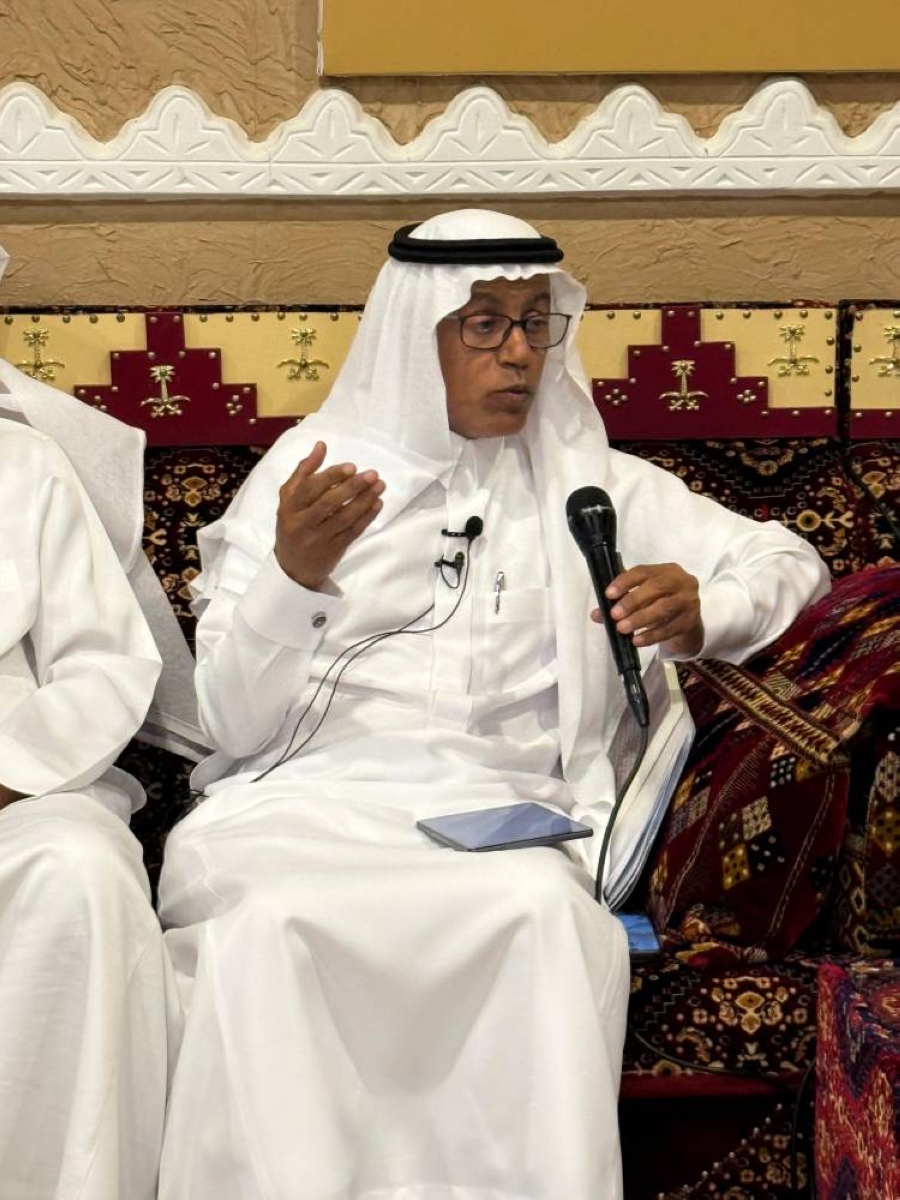
أكد الباحث الثقافي سهم الدعجاني أن الملك سلمان بن عبدالعزيز؛ رائد وراعي القوة الناعمة لعاصمة المملكة العربية السعودية، موضحاً أن خادم الحرمين الشريفين في حوار له مع مجلة العربي قبل ربع قرن قال، بأن الدعم والاهتمام اللذين يحظى بهما النشاط الثقافي من حكومة المملكة له كبير دور في تواصل الأنشطة منذ اختيار الرياض عاصمة الثقافة العربية، وأن صدور مطبوعات وإقامة برامج وفعاليات جديدة يهيئ مناخاً جديداً للحوار والنقاش الفكري والثقافي لأعوام قادمة.
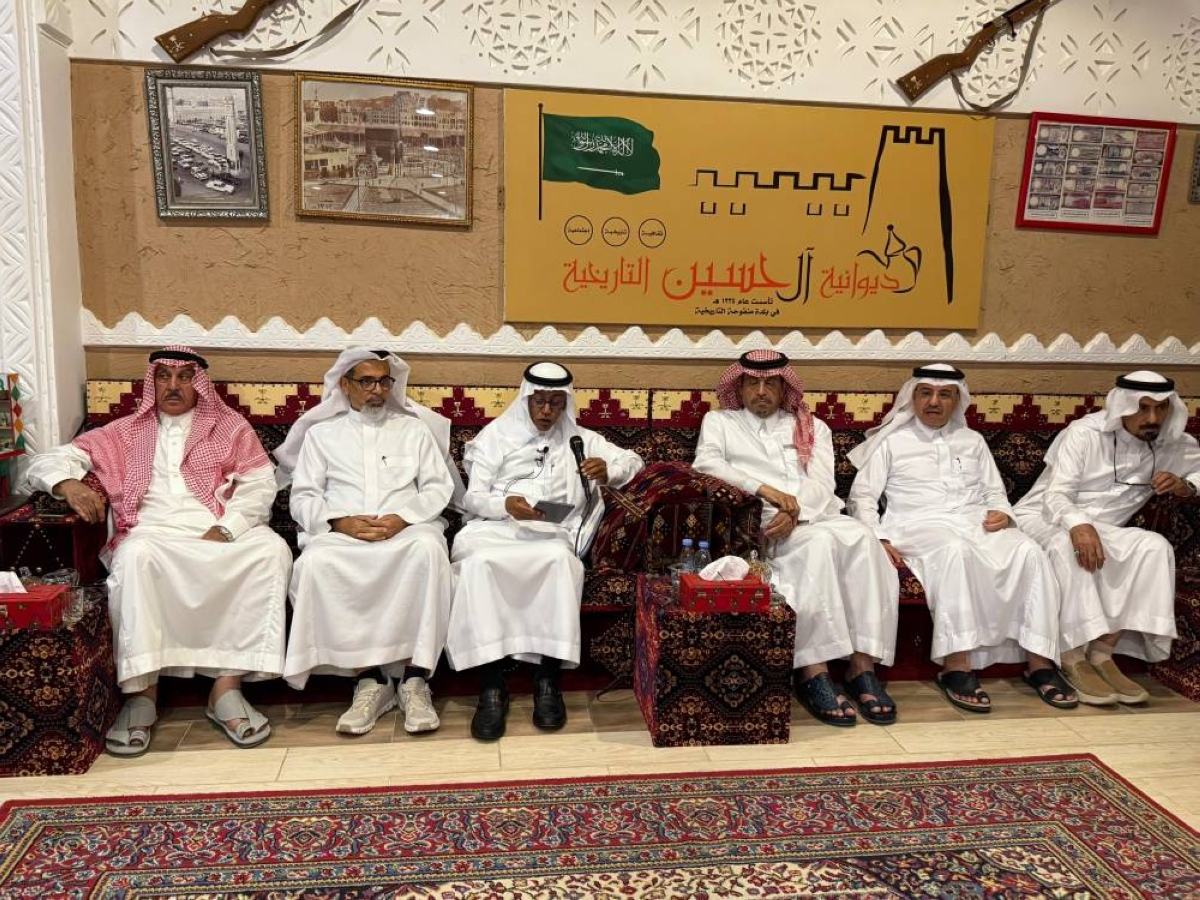
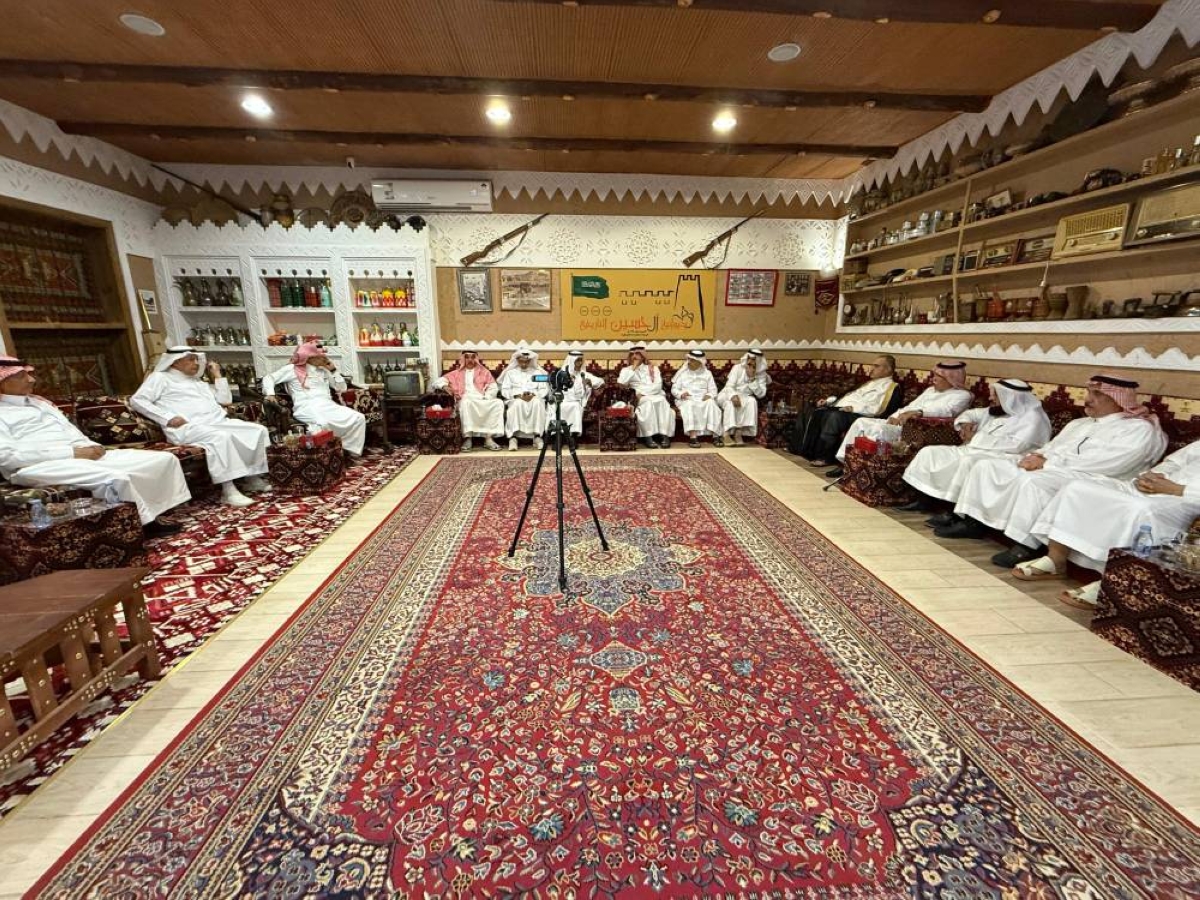
و كشف الدعجاني في ندوة ديوانية آل حسين التأريخية، عن أهمية كتاب حمد الجاسر -رحمه الله - «مدينة الرياض عبر أطوار التأريخ» والذي أهداه إلى خادم الحرمين الشريفين الملك سلمان بن عبد العزيز-أيده الله- إبان توليه إمارة منطقة الرياض، كونه وثّق ثقافياً وتاريخياً و إنسانياً للعاصمة الأكثر نموّاً وتنمية.
و استعرض المحاضر قصة نشأة المكتبات العامة في مدينة الرياض باعتبارها مؤشراً حيوياً على الفعل الثقافي داخل الرياض منذ زمن مبكر، و لفت إلى شهادة الجاسر عن أن نشأة المكتبات العامة بدأ من سنة 1363 هـ، إذ أنشأ الأمير مساعد بن عبد الرحمن الفيصل أول مكتبة عامة و خصص لها جانباً من بيته، ثم توالى فتح المكتبات، إذ أسست أمانة مدينة الرياض مكتبة عامة، وتم إلحاقها فيما بعد بوزارة المعارف.
و أشار الدعجاني إلى جهود الأمانة في المجال الثقافي: منذ مشروع ذاكرة الرياض، كما تطرق المحاضر إلى اللجنة الثقافية بالأمانة المشكلة من قبل أمين منطقة الرياض، وتضم في عضويتها عدداً من أساتذة الجامعات والباحثين والمهتمين بالشأن الثقافي ليسهموا في صناعة القرار الثقافي في جهاز الأمانة، كما تحدث عن ديوانيات الغالين التي قال عنها الأمين الأمير الدكتور فيصل بن عبد العزيز بن عياف: (ديوانيات الغالين، مساحة اجتماعية لفئة عزيزة على قلوبنا).
وختم المحاضر ورقته بعدد من المقترحات منها: رصد الصالونات الأدبية بمدينة الرياض وبناء قاعدة معلومات، وتصنيفها حسب الفئة المستهدفة ونوعية القضايا المطروحة، تطوير ديوانية الرياض، وتنفيذ أنشطة مشتركة، والبحث عن المكتبة العامة التي أسستها أمانة مدينة الرياض، وتحديد مكانها وتحويلها إلى متحف تأريخي يوثق لمساهمة الأمانة في نشأة الثقافة بمدينة الرياض، ومد جسور التواص مع وزارة الثقافة للتواصل مع المقاهي الأدبية التي أصبحت علامة فارقة في الشارع السعودي، لإيصال رسالة الأمانة الحضارية لشباب وفتيات العاصمة، والتوسع في تأسيس ديوانيات الغالين في مختلف الأحياء، وأن تشمل مبادرات الأمانة بقية محافظات المنطقة.
The cultural researcher Sahm Al-Dajani confirmed that King Salman bin Abdulaziz is a pioneer and supporter of the soft power of the capital of the Kingdom of Saudi Arabia, explaining that the Custodian of the Two Holy Mosques, in an interview with Al-Arabi magazine a quarter of a century ago, stated that the support and attention given to cultural activities by the Kingdom's government plays a significant role in the continuity of activities since Riyadh was chosen as the Capital of Arab Culture, and that the issuance of publications and the establishment of new programs and events create a new atmosphere for intellectual and cultural dialogue and discussion for years to come.
Al-Dajani revealed during the historical Al-Hussein Diwaniya seminar the importance of Hamad Al-Jasser's book - may he rest in peace - "The City of Riyadh Through the Ages," which he dedicated to the Custodian of the Two Holy Mosques King Salman bin Abdulaziz - may God support him - during his tenure as the Emir of the Riyadh Region, as it culturally, historically, and humanely documented the capital that is experiencing the most growth and development.
The lecturer reviewed the story of the establishment of public libraries in the city of Riyadh as a vital indicator of cultural activity within Riyadh from an early time, and pointed out Al-Jasser's testimony that the establishment of public libraries began in the year 1363 AH, when Prince Musaid bin Abdulrahman Al-Faisal established the first public library and allocated part of his house for it. Subsequently, the opening of libraries continued, as the Riyadh Municipality established a public library, which was later attached to the Ministry of Education.
Al-Dajani referred to the efforts of the municipality in the cultural field: since the Riyadh Memory Project, and the lecturer also touched on the cultural committee formed by the Secretary of the Riyadh Region, which includes several university professors, researchers, and those interested in cultural affairs to contribute to the cultural decision-making process within the municipality. He also spoke about the Diwaniyat Al-Ghalin, which the Secretary, Prince Dr. Faisal bin Abdulaziz bin Ayaf, described as: "Diwaniyat Al-Ghalin, a social space for a group dear to our hearts."
The lecturer concluded his paper with several proposals, including: monitoring literary salons in the city of Riyadh and building a database, classifying them according to the target group and the types of issues raised, developing the Riyadh Diwaniya, implementing joint activities, searching for the public library established by the Riyadh Municipality, identifying its location, and converting it into a historical museum that documents the municipality's contribution to the emergence of culture in the city of Riyadh, establishing bridges of communication with the Ministry of Culture to connect with literary cafes that have become a distinctive feature in Saudi streets, to convey the municipality's civilizational message to the youth of the capital, and expanding the establishment of Diwaniyat Al-Ghalin in various neighborhoods, ensuring that the municipality's initiatives include the rest of the provinces in the region.