


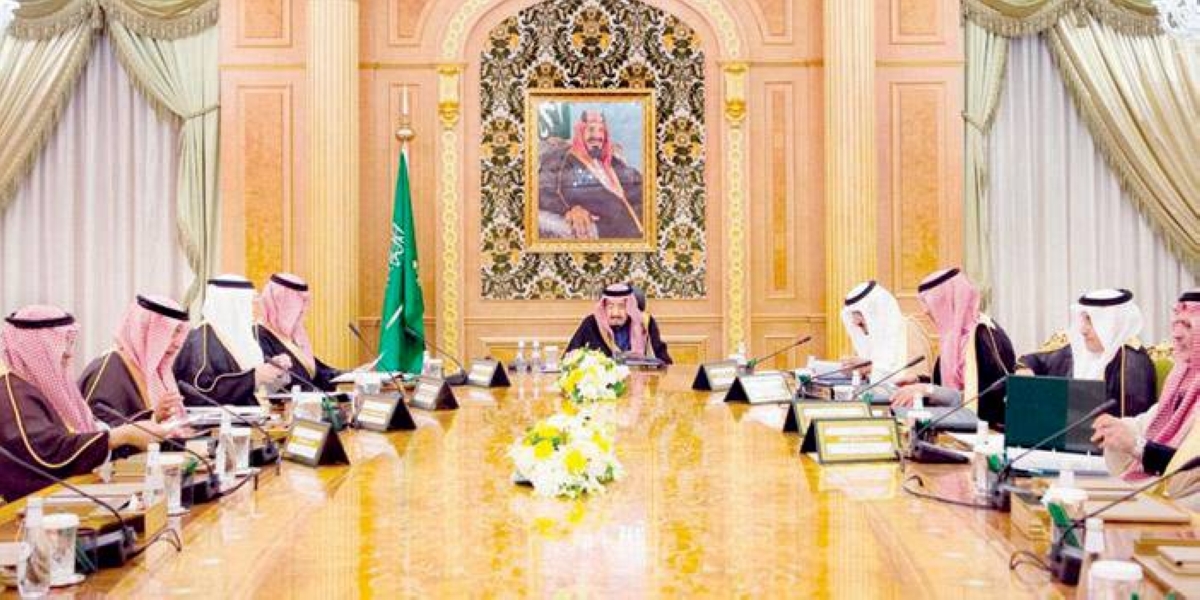
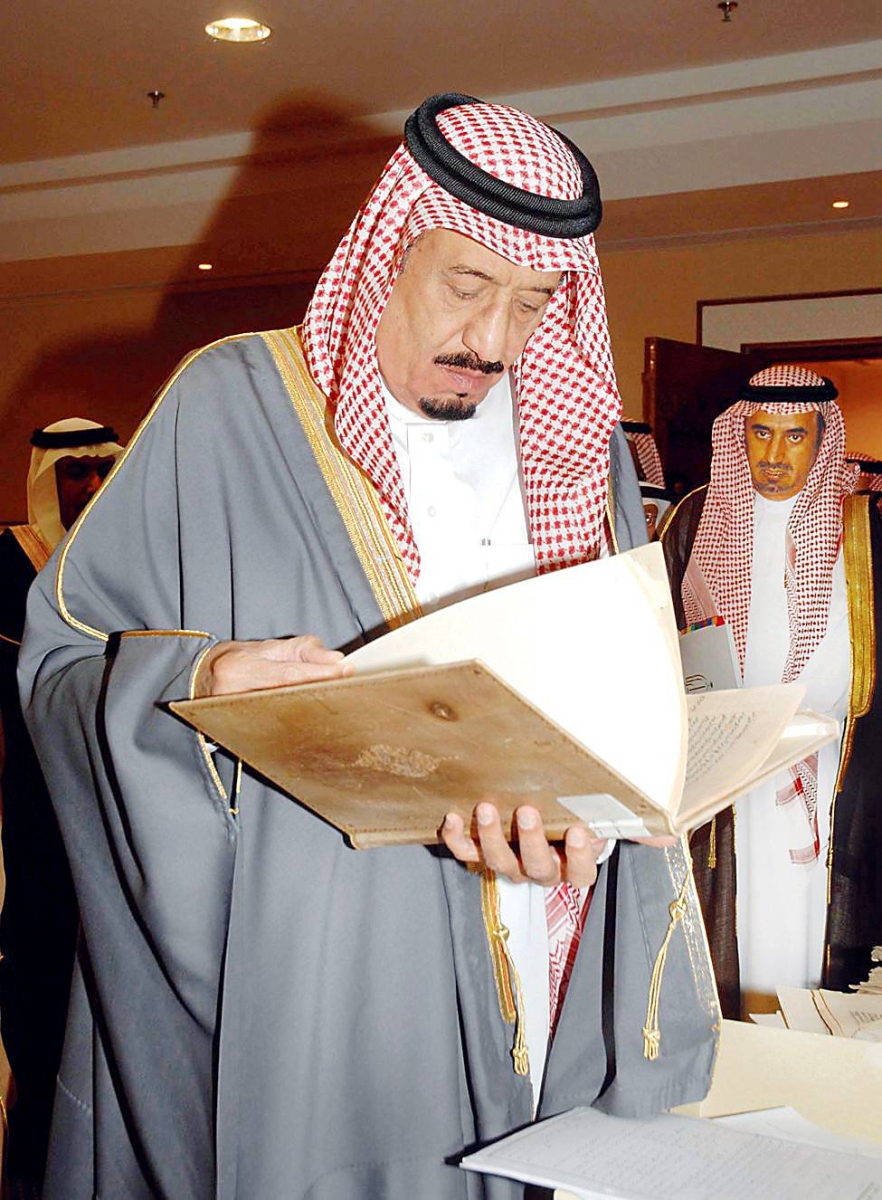
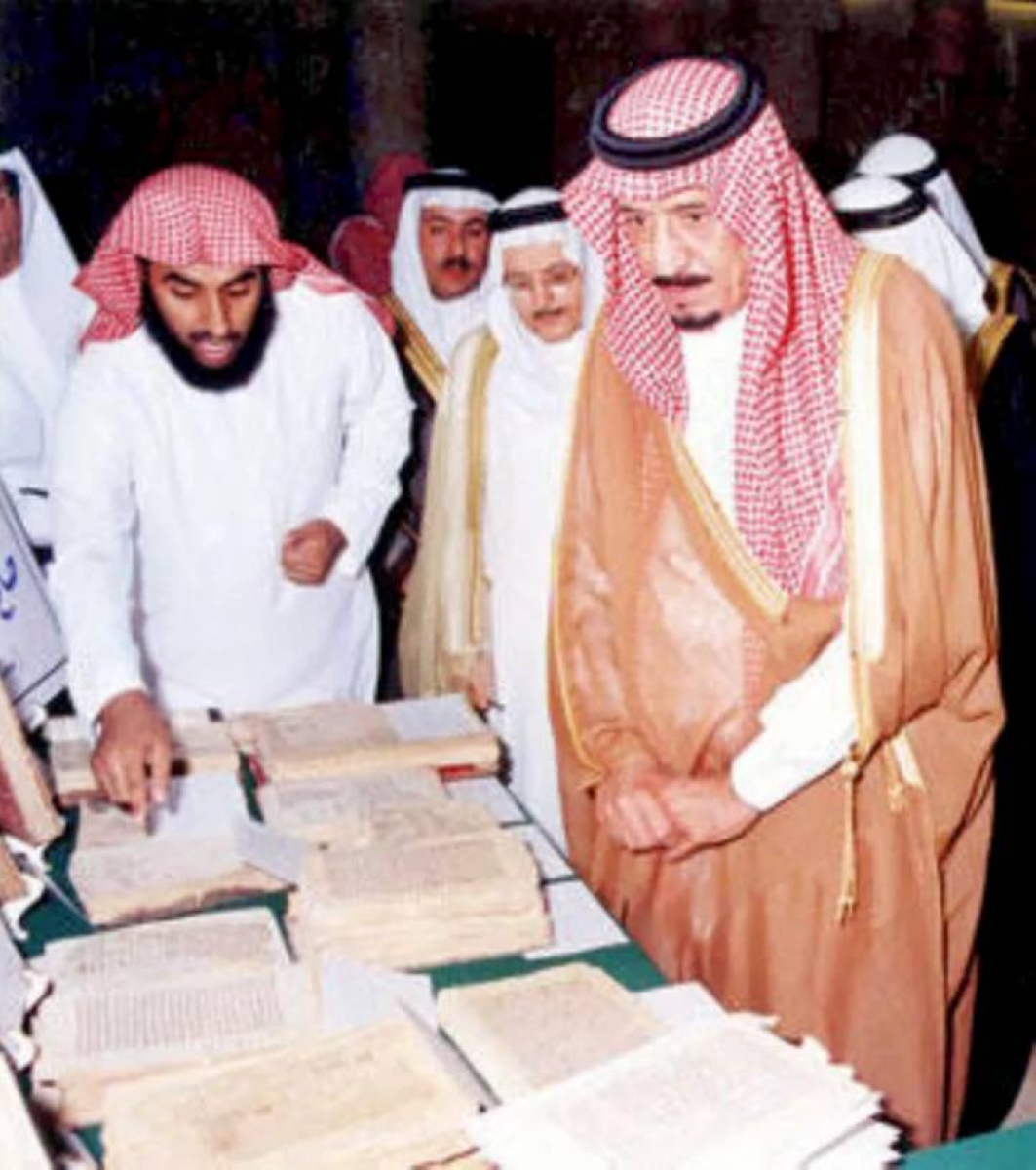
تكمن أهمية دارة الملك عبدالعزيز، في حملها اسم موحّد ومؤسس الدولة السعودية الحديثة، إضافة إلى عناية خادم الحرمين الشريفين الملك سلمان بن عبدالعزيز؛ الذي رَأَسَ مجلس إدارتها لمدة نصف قرن، ورَأَسَ 45 من اجتماعاتها الدوريّة، ولم يتأخر عن اجتماع واحد لحرصه على دقائق العمل في الدارة. وألقى خادم الحرمين الشريفين ثلاث محاضرات متخصصة في التاريخ الوطني، تعد شاهدًا موثقًا لشخصيته البحثية؛ الأولى في جامعة أم القرى عام 1429هـ بعنوان (ملامح إنسانية من سيرة الملك عبدالعزيز). والثانية في الجامعة الإسلامية في المدينة المنورة عام 1432هـ بعنوان (الأسس التاريخية والفكرية للدولة السعودية)، وطبعتها الدارة حرصًا على استحضار الجميع لها ودعم المكتبة التاريخية الوطنية. والثالثة في جامعة الملك سعود؛ ممثلةً في كرسي الملك سلمان بن عبدالعزيز للدراسات الحضارية والتاريخية عام 1433هـ بعنوان (الجوانب السياسية والاجتماعية في تاريخ الملك عبدالعزيز بن عبدالرحمن آل سعود -رحمه الله-). وأهدى الملك سلمان الدارة مخطوطة نادرة لكتاب (المقنع في الفقه) نُسخت عام 1220هـ، وكانت نواة لما جرى جمعه وحفظه من المخطوطات الأصلية التي تجاوزت 5000 مخطوط. ومن أهداف تأسيس دارة الملك عبدالعزيز، أن تكون مرجعًا تاريخيًا للبحوث والدراسات والمخطوطات للمملكة، منذ صدور المرسوم الملكي رقم (م/45) وتاريخ 5 شعبان 1392هـ (1972) بتأسيسها لتغدو مرجعًا لتاريخ المملكة وتراثها، من خلال المحافظة على المعرفة التاريخية وتعزيزها محليًا ودوليًا. وصدر قرار مجلس الوزراء في 28/ 12/ 1417هـ بإعادة تشكيل مجلس إدارتها برئاسة خادم الحرمين الشريفين الملك سلمان بن عبدالعزيز آل سعود، فأعطى القرار زخمًا كبيرًا للدارة ولفت الأنظار لها داخل المملكة وخارجها، وتطورت أعمالها وتراكمت تجربتها وتزايد إنتاجها، وتعززت فعاليتها، وتبلورت شخصيتها بعمل مؤسسي منظم صنع لها رسالة تمزج بين العلمية والموضوعية والوطنية التي أنشئت من أجلها. وخلال رئاسة الملك سلمان 45 اجتماعًا للدارة بث فيها روح العمل النشط والثقة العلمية من خلال مكتسبات عديدة؛ من أهمها احترام الوقت، ما انعكس على شخصية الدارة اليومية. ومنذ نقل الدارة من مقرها السابق إلى مركز الملك عبدالعزيز التاريخي بجوار قصر المربع؛ الذي افتتحه الملك فهد بن عبدالعزيز آل سعود -رحمه الله- عام 1419هـ، تجلّت السمة البحثية الدؤوبة للدارة، التي كانت وما زالت محل عناية الملك سلمان. وفي عام 1418هـ قدم الملك سلمان للدارة وثيقة أصلية هي رسالة من الإمام سعود بن عبدالعزيز بن محمد بن سعود إلى سليمان باشا، نُسخت في عام 1225هـ، ضاربًا بذلك مثالًا للمواطنين من ملّاك المخطوطات والوثائق لإيداع ما لديهم من مصادر تاريخية في الدارة، وإيداعها باسم صاحبها ويحق له الرجوع إليها.
جوائز ملكيّة لدراسات وبحوث تاريخ الجزيرة العربية
تُمنح جائزة سنوية باسم جائزة الملك عبدالعزيز، للمحافظة على مصادر تاريخ المملكة وجمعه، وتقدم منحة للباحثين والباحثات من جميع الأعمار. و(جائزة ومنحة الملك سلمان بن عبدالعزيز لدراسات وبحوث تاريخ الجزيرة العربية)، وتبرع الملك سلمان بقيمتها من ماله الخاص، ووافق على إقامة جائزة الملك عبدالعزيز للكتاب التي تُمنح للكتب المؤلفة والمحققة التي تتفق مع أغراض الدارة، ومن ذلك أيضًا رعايته وحضوره افتتاح فعاليات الندوات الملكية؛ وفاءً لإخوانه الملوك وعرفانًا لدورهم في بناء الوطن ودعمًا لهذه الفكرة العلمية التي اضطلعت بها الدارة. ووجه خادم الحرمين الشريفين الملك سلمان بن عبدالعزيز عقب توليه الحكم وزيارته الملكية للمدينة المنورة، بأن تسهم دارة الملك عبدالعزيز في دعم المكتبات الوقفية في المدينة المنورة، بتنظيمها معرض المخطوطات في المدينة المنورة، وإسهام الدارة في مجمع المكتبات الوقفية في المدينة المنورة، لضم المكتبات التاريخية المتعددة التي عرفت بها مدينة الرسول صلى الله عليه وسلم، سواء الخاصة أو العامة لتقديم أفضل الخدمات لها ورعايتها حفظًا وصيانةً ودراسةً وتقديمها للعالم بصفتها أثرًا إسلاميًا وعربيًا زخرت به الجزيرة العربية والمملكة، وانضمت إلى هيئة المخطوطات الإسلامية بلندن.
فعاليات وندوات ومهرجانات
وإثر النجاحات المميزة التي حققتها الدارة في إدارة الفعاليات العلمية والثقافية، تكوَّنت لدى الدارة خبرات إدارية وبشرية جعلتها قادرة على إدارة الفعاليات والمناسبات، ومن ثم جاءت الثقة الملكية من قبل خادم الحرمين الشريفين الملك سلمان بن عبدالعزيز بتكليف الدارة بتأسيس وتنظيم مهرجان الملك عبدالعزيز للإبل، إذ صدر أمر سامٍ كريم بتولي دارة الملك عبدالعزيز الإشراف والتنظيم للمهرجان تحت إشراف ومتابعة ولي العهد رئيس مجلس الوزراء الأمير محمد بن سلمان، وتعاضدت الدارة مع مجموعة من الجهات ذات العلاقة في تنظيم هذا المهرجان؛ وفي مقدمتها وزارة الداخلية، ووزارة البيئة والمياه والزراعة، ووزارة الصحة، والهيئة العليا لتطوير مدينة الرياض، ووزارة الشؤون البلدية والقروية، ووزارة الثقافة والإعلام وعدد من الجهات التي تعمل ضمن فرق مشتركة لتنفيذ مهرجان يتواكب مع مكانة المملكة والمناسبة. ومن مقولات خادم الحرمين الشريفين الملك سلمان بن عبدالعزيز في أحد اللقاءات العلمية: «الدارة بيت للجميع»، فكانت بمنزلة توجيه للمسؤولين في الدارة، وتعبيرًا للباحثين والباحثات عن أن هذه المؤسسة العلمية المتخصصة تحت خدمة الدراسات والبحوث، لتكون رافدًا ومرجعًا في الوقت نفسه لحركة البحوث والدراسات ذات العلاقة، ما جعل كثيرًا من الباحثين والباحثات يتفقون على أن خادم الحرمين الشريفين ذاكرة التاريخ الوطني ومرجع رئيسي في الشأن التاريخي الوطني.
وثائق الدارة.. سرديات وطنية تؤسس لوعي الأجيال
أطلقت دارة الملك عبدالعزيز مبادرة (وثائق الدارة)، لتُعيد رسم العلاقة بين المجتمع وإرثه التاريخي عبر مشروع معرفي متفرِّد، يضع الوثيقة في مكانها الطبيعي، جسرًا بين الماضي والحاضر، ونبراسًا يرشد الباحثين والمؤرخين وصنّاع المعرفة نحو قراءة أعمق لتاريخ الوطن واستشراف أوسع لآفاقه القادمة.
تأتي المبادرة امتدادًا لدور الدارة كمرجع وطني لحفظ الذاكرة السعودية وصيانتها، إذ تسعى إلى إتاحة آلاف الوثائق التاريخية النادرة والمخطوطات والصور والخرائط والتاريخ الشفوي، في فضاء رقمي موحّد، يضمن سرعة الوصول وسهولة التصفح، وفق معايير علمية دقيقة تحفظ القيمة وتضمن أصالة المعلومة. ولأن الوثيقة ليست مجرد ورقٍ يشيخ مع الزمن، بل شهادة حية على التحولات السياسية والاقتصادية والاجتماعية والثقافية، فقد أرادت المبادرة أن تعيد لهذه الشهادات بريقها، فتجعلها رافدًا معرفيًا للباحثين، وملهمًا للمؤلفين وصنّاع المحتوى، وأداة وعي للأجيال الجديدة، كي ينهلوا من معينها، ما يعزز الهوية الوطنية ويرسّخ الانتماء.
وتبرز ضمن المبادرة وثائق نادرة ومتنوعة تحمل توجيهات مباشرة من الملك المؤسس عبدالعزيز -طيّب الله ثراه- تعكس حرصه البالغ على متابعة شؤون الدولة في بدايات تأسيسها، واهتمامه العميق بمصالح المواطنين في جميع أنحاء المملكة. وتكشف هذه الوثائق ملامح القيادة الحكيمة في رسم السياسات وتنظيم المؤسسات ونشر الأنظمة والقوانين الوطنية، كما تسلّط الضوء على إنجازات القيادة في مختلف المجالات. فهي تمد المؤرخين بمعلومات سياسية واجتماعية واقتصادية وثقافية دقيقة، وتعين على تحليل التطورات الاجتماعية والاقتصادية والثقافية، وتوثيق بدايات المؤسسات الوطنية، بما يعزز وعي الأجيال ويكرّس الانتماء الوطني من خلال المعرفة بالجذور التاريخية.
فيما المجموعات الشخصية في «وثائق الدارة» تعدُّ رافدًا نوعيًا ومصدرًا تاريخيًا فريدًا، إذ تضم وثائق شخصية نادرة لشخصيات بارزة كانت لها أدوار قيادية وثقافية ودبلوماسية مهمة. وتشمل هذه المجموعات مراسلات ومذكرات وتقارير ومسودات وتوجيهات، توثق مراحل مفصلية على المستويين الوطني والعربي، وتبرز جوانب إدارية وتنظيمية وثقافية متعددة، فضلًا عن إبرازها أنماط التواصل الرسمي والشخصي. ومن بين أبرز الأسماء التي تتضمنها هذه الوثائق: صالح بن عبدالواحد، محمد رشيد رضا، شكيب الأموي، عبدالرحيم بن عبدالرحمن بن عبدالرحيم، عبدالرحمن بن عبداللطيف آل الشيخ، محمد سرور الصبان، رشدي بن صالح ملحس، عبدالوهاب أبو ملحة، محب الدين الخطيب، عمر بهاء الدين الأميري، خالد القرقتي. وتكتسب هذه الوثائق أهمية خاصة لكونها مصادر أصيلة غير منشورة، تكشف عن تفاعل القادة مع المجتمع، وتعكس أبعادًا إنسانية ومجتمعية عميقة. تُسهم «وثائق الدارة» في فتح نوافذ غير مسبوقة على التاريخ الوطني، من خلال رحلة متكاملة تمر بها كل وثيقة من الاستحواذ والفحص والترميم، إلى الرقمنة عالية الدقة، ثم الأرشفة وفق أحدث النماذج العالمية، وصولًا إلى الإتاحة الرقمية للباحثين والجمهور. وهي رحلة تحاكي في رمزيتها مسيرة الوطن نفسه؛ بناءً على أسس متينة، ثم تطور متدرج، فإشراق يتاح للجميع.
وتتجاوز المبادرة كونها مشروعًا تقنيًا إلى كونها رسالة وطنية تحمل أهدافًا كبرى؛ حماية الذاكرة السعودية، تمكين الباحثين من محتوى موثوق، دعم الأبحاث الأكاديمية والرسائل الجامعية، تحويل الوثائق إلى مصدر إلهام للإبداع الأدبي والفني. كما تنسجم هذه الأهداف مع مستهدفات رؤية السعودية 2030، في تعميق التحول المعرفي والرقمي، وتعزيز مكانة المملكة كحاضنة للهوية ومركز لإنتاج المعرفة.
إن «وثائق الدارة» ليست مجرد منصة، بل وعدٌ متجدد بأن التاريخ السعودي لن يكون حبيس الأرفف، بل حاضر في ذاكرة الأجيال، ووقود لصناعة المستقبل.
الدارة مكانًا ومكانة
تعد الدارة مؤسسة ثقافية وطنية تقع في مدينة الرياض، ورسالتها التميز في خدمة تاريخ المملكة، وتراثها، وجغرافيتها، حفظًا، وتنميةً، وإتاحةً، ونشرًا، وتوثيق المصادر والمعلومات التاريخية المتعلقة بالمملكة، والعالمين العربي والإسلامي بجميع أنواعها، وجمعها، وأرشفتها، وإتاحتها للجمهور، بما فيها الوثائق، والكتب، والمخطوطات، والصور، والأفلام، والروايات، والصحف، والخرائط، والبرامج الرقمية، وإعداد البحوث والدراسات في مجال عمل (الدارة)، والقيام بأعمال النشر، والترجمة، وتشجيع الباحثين، ودعم دراساتهم، وبحوثهم، وأنشطتهم، وإقامة المعارض، والملتقيات، وعقد الندوات العلمية، وجلسات العمل، وتنفيذ البرامج والتطبيقات عن التاريخ، والتراث الوطني والعربي والإسلامي، وتبنّي مبادرات التواصل والإعلام، لنشر التاريخ الوطني والعربي والإسلامي، وبناء شراكات فعّالة محلية وعالمية لتطوير البرامج البحثية المشتركة، وتبادل المواد التاريخية، وتطوير التواصل؛ وفقًا للإجراءات النظامية المتبعة، وإنشاء القاعات التذكارية، والمتاحف، وإدارتها، وإدارة القصور الملكية التاريخية، والمحافظة على المواد التاريخية بالترميم، والتعقيم، والمعالجة، وتقديم المشورة والتدريب لمختلف الجهات الحكومية، والخاصة، والأفراد، في ما يتعلق بالمعلومات والمواد التاريخية.
رَأَسَ الملك سلمان 45 من اجتماعاتها وألقى 3 محاضرات
دارة الملك عبدالعزيز.. «الصندوق الأسود» لتاريخ المملكة الناصع
29 أغسطس 2025 - 00:16
|
آخر تحديث 29 أغسطس 2025 - 00:20


تابع قناة عكاظ على الواتساب
علي الرباعي (الباحة) Al_ARobai@
The importance of the King Abdulaziz Foundation lies in its bearing the name of the unifier and founder of the modern Saudi state, in addition to the care of the Custodian of the Two Holy Mosques, King Salman bin Abdulaziz, who chaired its board of directors for half a century and presided over 45 of its regular meetings, never missing a single meeting due to his commitment to the details of work at the foundation. The Custodian of the Two Holy Mosques delivered three specialized lectures on national history, which serve as a documented testament to his research personality; the first at Umm Al-Qura University in 1429 AH titled "Human Aspects from the Biography of King Abdulaziz." The second at the Islamic University in Medina in 1432 AH titled "The Historical and Intellectual Foundations of the Saudi State," which the foundation published to ensure everyone could access it and support the national historical library. The third lecture was at King Saud University, represented by the King Salman bin Abdulaziz Chair for Civilizational and Historical Studies in 1433 AH titled "The Political and Social Aspects in the History of King Abdulaziz bin Abdulrahman Al Saud - may God have mercy on him." King Salman gifted the foundation a rare manuscript of the book "Al-Muqni' in Jurisprudence," copied in 1220 AH, which became the nucleus of what has been collected and preserved from original manuscripts exceeding 5,000 in number. One of the goals of establishing the King Abdulaziz Foundation is to serve as a historical reference for research, studies, and manuscripts related to the Kingdom, since the issuance of Royal Decree No. (M/45) dated 5 Sha'ban 1392 AH (1972) to establish it, thus becoming a reference for the history and heritage of the Kingdom by preserving and enhancing historical knowledge locally and internationally. The Council of Ministers issued a decision on 28/12/1417 AH to reconstitute its board of directors under the chairmanship of the Custodian of the Two Holy Mosques, King Salman bin Abdulaziz Al Saud, which gave significant momentum to the foundation and drew attention to it both inside and outside the Kingdom. Its work evolved, its experience accumulated, its production increased, and its effectiveness strengthened, shaping its identity through organized institutional work that created a mission blending scientific rigor, objectivity, and patriotism for which it was established. During King Salman's presidency of 45 meetings for the foundation, he instilled a spirit of active work and scientific confidence through numerous achievements, the most important of which was respect for time, which reflected on the daily character of the foundation. Since the foundation moved from its previous location to the King Abdulaziz Historical Center next to the Al-Murabba Palace, inaugurated by King Fahd bin Abdulaziz Al Saud - may God have mercy on him - in 1419 AH, the diligent research characteristic of the foundation has been evident, which has always been under the care of King Salman. In 1418 AH, King Salman presented the foundation with an original document, a letter from Imam Saud bin Abdulaziz bin Muhammad bin Saud to Suleiman Pasha, copied in 1225 AH, setting an example for citizens who own manuscripts and documents to deposit their historical sources in the foundation, allowing them to be registered in the name of their owner with the right to refer to them.
Royal Awards for Studies and Research on the History of the Arabian Peninsula
An annual award named the King Abdulaziz Award is granted for preserving and collecting the historical sources of the Kingdom, along with a grant for researchers of all ages. The "King Salman bin Abdulaziz Award and Grant for Studies and Research on the History of the Arabian Peninsula" was established, with King Salman donating its value from his private funds. He also approved the establishment of the King Abdulaziz Award for Books, which is awarded to authored and edited books that align with the foundation's objectives. This includes his sponsorship and attendance at the inauguration of royal seminar activities, honoring his brother kings and acknowledging their role in building the nation and supporting this scientific idea that the foundation has undertaken. Following his ascension to the throne and his royal visit to Medina, the Custodian of the Two Holy Mosques, King Salman bin Abdulaziz, directed that the King Abdulaziz Foundation contribute to supporting the endowment libraries in Medina by organizing a manuscript exhibition in Medina and contributing to the endowment libraries complex in Medina, which includes the various historical libraries known in the city of the Prophet, peace be upon him, whether private or public, to provide the best services for them and care for their preservation, maintenance, study, and presentation to the world as an Islamic and Arab heritage that the Arabian Peninsula and the Kingdom are rich in, and it joined the Islamic Manuscripts Association in London.
Events, Seminars, and Festivals
Following the remarkable successes achieved by the foundation in managing scientific and cultural events, it developed administrative and human expertise that enabled it to manage events and occasions. Consequently, the royal trust was bestowed by the Custodian of the Two Holy Mosques, King Salman bin Abdulaziz, by assigning the foundation to establish and organize the King Abdulaziz Camel Festival. A royal decree was issued for the King Abdulaziz Foundation to supervise and organize the festival under the supervision and follow-up of the Crown Prince, Prime Minister Prince Mohammed bin Salman. The foundation collaborated with several relevant entities in organizing this festival, including the Ministry of Interior, the Ministry of Environment, Water and Agriculture, the Ministry of Health, the High Commission for the Development of Riyadh City, the Ministry of Municipal and Rural Affairs, the Ministry of Culture and Media, and several other entities that work within joint teams to implement a festival that aligns with the Kingdom's status and the occasion. Among the remarks made by the Custodian of the Two Holy Mosques, King Salman bin Abdulaziz, during one of the scientific meetings was: "The foundation is a home for everyone," serving as a directive to the officials at the foundation and an expression to researchers that this specialized scientific institution is at the service of studies and research, to be both a tributary and a reference for the movement of related research and studies. This led many researchers to agree that the Custodian of the Two Holy Mosques is the memory of national history and a primary reference in national historical matters.
The Foundation's Documents... National Narratives Establishing Awareness for Generations
The King Abdulaziz Foundation launched the "Foundation Documents" initiative to redefine the relationship between society and its historical heritage through a unique knowledge project, placing the document in its natural position as a bridge between the past and the present, and a beacon guiding researchers, historians, and knowledge creators towards a deeper reading of the nation's history and a broader vision of its future horizons.
This initiative extends the foundation's role as a national reference for preserving and maintaining the Saudi memory, as it seeks to make thousands of rare historical documents, manuscripts, photographs, maps, and oral history available in a unified digital space that ensures quick access and easy browsing, according to precise scientific standards that preserve value and guarantee the authenticity of information. Since a document is not merely paper that ages over time, but a living testimony to political, economic, social, and cultural transformations, the initiative aims to restore the luster of these testimonies, making them a knowledge tributary for researchers, an inspiration for authors and content creators, and a tool for awareness for new generations to draw from, thereby enhancing national identity and solidifying belonging.
Among the initiative's documents are rare and diverse documents bearing direct directives from the founding king Abdulaziz - may God have mercy on him - reflecting his keen interest in following state affairs in the early days of its establishment and his deep concern for the interests of citizens throughout the Kingdom. These documents reveal the features of wise leadership in shaping policies, organizing institutions, and disseminating national systems and laws, while also highlighting the achievements of leadership in various fields. They provide historians with precise political, social, economic, and cultural information, aiding in the analysis of social, economic, and cultural developments, and documenting the beginnings of national institutions, thereby enhancing the awareness of generations and solidifying national belonging through knowledge of historical roots.
The personal collections in the "Foundation Documents" represent a qualitative tributary and a unique historical source, as they include rare personal documents of prominent figures who played significant leadership, cultural, and diplomatic roles. These collections encompass correspondence, memoirs, reports, drafts, and directives that document pivotal stages at both the national and Arab levels, highlighting various administrative, organizational, and cultural aspects, in addition to showcasing patterns of official and personal communication. Among the prominent names included in these documents are: Saleh bin Abdulwahid, Muhammad Rashid Rida, Shukri al-Amawi, Abdulrahim bin Abdulrahman bin Abdulrahim, Abdulrahman bin Abdulatif Al Sheikh, Muhammad Surour Al-Sabban, Rushdi bin Saleh Malhas, Abdulwahab Abu Malha, Mohib al-Din Al-Khatib, Omar Baha al-Din Al-Amiri, and Khalid Al-Qarqiti. These documents hold special significance as they are unpublished original sources that reveal the interaction of leaders with society and reflect deep human and social dimensions. The "Foundation Documents" contribute to opening unprecedented windows to national history through a comprehensive journey that each document undergoes from acquisition, examination, and restoration to high-precision digitization, then archiving according to the latest global models, culminating in digital availability for researchers and the public. This journey symbolically mirrors the nation's own path; based on solid foundations, then gradual development, leading to a radiance accessible to all.
The initiative transcends being merely a technical project to embody a national message carrying grand objectives: protecting the Saudi memory, empowering researchers with reliable content, supporting academic research and university theses, and transforming documents into a source of inspiration for literary and artistic creativity. These objectives align with the targets of Saudi Vision 2030, aiming to deepen knowledge and digital transformation and enhance the Kingdom's position as a hub for identity and a center for knowledge production.
The "Foundation Documents" are not just a platform but a renewed promise that Saudi history will not be confined to shelves but will be present in the memory of generations and fuel for shaping the future.
The Foundation as a Place and Status
The foundation is a national cultural institution located in Riyadh, with a mission to excel in serving the history of the Kingdom, its heritage, and its geography through preservation, development, accessibility, dissemination, and documentation of historical sources and information related to the Kingdom and the Arab and Islamic worlds in all their forms. It aims to collect, archive, and make available to the public various materials, including documents, books, manuscripts, photographs, films, narratives, newspapers, maps, digital programs, and conducting research and studies in the field of the foundation's work, as well as publishing, translating, encouraging researchers, and supporting their studies, research, and activities. It organizes exhibitions, forums, scientific seminars, and work sessions, implements programs and applications about history, national, Arab, and Islamic heritage, and adopts communication and media initiatives to promote national, Arab, and Islamic history. It builds effective local and global partnerships to develop joint research programs, exchange historical materials, and enhance communication according to established regulatory procedures, and establishes memorial halls, museums, and manages them, as well as managing historical royal palaces, preserving historical materials through restoration, sterilization, and treatment, and providing advice and training to various governmental and private entities and individuals regarding historical information and materials.
Royal Awards for Studies and Research on the History of the Arabian Peninsula
An annual award named the King Abdulaziz Award is granted for preserving and collecting the historical sources of the Kingdom, along with a grant for researchers of all ages. The "King Salman bin Abdulaziz Award and Grant for Studies and Research on the History of the Arabian Peninsula" was established, with King Salman donating its value from his private funds. He also approved the establishment of the King Abdulaziz Award for Books, which is awarded to authored and edited books that align with the foundation's objectives. This includes his sponsorship and attendance at the inauguration of royal seminar activities, honoring his brother kings and acknowledging their role in building the nation and supporting this scientific idea that the foundation has undertaken. Following his ascension to the throne and his royal visit to Medina, the Custodian of the Two Holy Mosques, King Salman bin Abdulaziz, directed that the King Abdulaziz Foundation contribute to supporting the endowment libraries in Medina by organizing a manuscript exhibition in Medina and contributing to the endowment libraries complex in Medina, which includes the various historical libraries known in the city of the Prophet, peace be upon him, whether private or public, to provide the best services for them and care for their preservation, maintenance, study, and presentation to the world as an Islamic and Arab heritage that the Arabian Peninsula and the Kingdom are rich in, and it joined the Islamic Manuscripts Association in London.
Events, Seminars, and Festivals
Following the remarkable successes achieved by the foundation in managing scientific and cultural events, it developed administrative and human expertise that enabled it to manage events and occasions. Consequently, the royal trust was bestowed by the Custodian of the Two Holy Mosques, King Salman bin Abdulaziz, by assigning the foundation to establish and organize the King Abdulaziz Camel Festival. A royal decree was issued for the King Abdulaziz Foundation to supervise and organize the festival under the supervision and follow-up of the Crown Prince, Prime Minister Prince Mohammed bin Salman. The foundation collaborated with several relevant entities in organizing this festival, including the Ministry of Interior, the Ministry of Environment, Water and Agriculture, the Ministry of Health, the High Commission for the Development of Riyadh City, the Ministry of Municipal and Rural Affairs, the Ministry of Culture and Media, and several other entities that work within joint teams to implement a festival that aligns with the Kingdom's status and the occasion. Among the remarks made by the Custodian of the Two Holy Mosques, King Salman bin Abdulaziz, during one of the scientific meetings was: "The foundation is a home for everyone," serving as a directive to the officials at the foundation and an expression to researchers that this specialized scientific institution is at the service of studies and research, to be both a tributary and a reference for the movement of related research and studies. This led many researchers to agree that the Custodian of the Two Holy Mosques is the memory of national history and a primary reference in national historical matters.
The Foundation's Documents... National Narratives Establishing Awareness for Generations
The King Abdulaziz Foundation launched the "Foundation Documents" initiative to redefine the relationship between society and its historical heritage through a unique knowledge project, placing the document in its natural position as a bridge between the past and the present, and a beacon guiding researchers, historians, and knowledge creators towards a deeper reading of the nation's history and a broader vision of its future horizons.
This initiative extends the foundation's role as a national reference for preserving and maintaining the Saudi memory, as it seeks to make thousands of rare historical documents, manuscripts, photographs, maps, and oral history available in a unified digital space that ensures quick access and easy browsing, according to precise scientific standards that preserve value and guarantee the authenticity of information. Since a document is not merely paper that ages over time, but a living testimony to political, economic, social, and cultural transformations, the initiative aims to restore the luster of these testimonies, making them a knowledge tributary for researchers, an inspiration for authors and content creators, and a tool for awareness for new generations to draw from, thereby enhancing national identity and solidifying belonging.
Among the initiative's documents are rare and diverse documents bearing direct directives from the founding king Abdulaziz - may God have mercy on him - reflecting his keen interest in following state affairs in the early days of its establishment and his deep concern for the interests of citizens throughout the Kingdom. These documents reveal the features of wise leadership in shaping policies, organizing institutions, and disseminating national systems and laws, while also highlighting the achievements of leadership in various fields. They provide historians with precise political, social, economic, and cultural information, aiding in the analysis of social, economic, and cultural developments, and documenting the beginnings of national institutions, thereby enhancing the awareness of generations and solidifying national belonging through knowledge of historical roots.
The personal collections in the "Foundation Documents" represent a qualitative tributary and a unique historical source, as they include rare personal documents of prominent figures who played significant leadership, cultural, and diplomatic roles. These collections encompass correspondence, memoirs, reports, drafts, and directives that document pivotal stages at both the national and Arab levels, highlighting various administrative, organizational, and cultural aspects, in addition to showcasing patterns of official and personal communication. Among the prominent names included in these documents are: Saleh bin Abdulwahid, Muhammad Rashid Rida, Shukri al-Amawi, Abdulrahim bin Abdulrahman bin Abdulrahim, Abdulrahman bin Abdulatif Al Sheikh, Muhammad Surour Al-Sabban, Rushdi bin Saleh Malhas, Abdulwahab Abu Malha, Mohib al-Din Al-Khatib, Omar Baha al-Din Al-Amiri, and Khalid Al-Qarqiti. These documents hold special significance as they are unpublished original sources that reveal the interaction of leaders with society and reflect deep human and social dimensions. The "Foundation Documents" contribute to opening unprecedented windows to national history through a comprehensive journey that each document undergoes from acquisition, examination, and restoration to high-precision digitization, then archiving according to the latest global models, culminating in digital availability for researchers and the public. This journey symbolically mirrors the nation's own path; based on solid foundations, then gradual development, leading to a radiance accessible to all.
The initiative transcends being merely a technical project to embody a national message carrying grand objectives: protecting the Saudi memory, empowering researchers with reliable content, supporting academic research and university theses, and transforming documents into a source of inspiration for literary and artistic creativity. These objectives align with the targets of Saudi Vision 2030, aiming to deepen knowledge and digital transformation and enhance the Kingdom's position as a hub for identity and a center for knowledge production.
The "Foundation Documents" are not just a platform but a renewed promise that Saudi history will not be confined to shelves but will be present in the memory of generations and fuel for shaping the future.
The Foundation as a Place and Status
The foundation is a national cultural institution located in Riyadh, with a mission to excel in serving the history of the Kingdom, its heritage, and its geography through preservation, development, accessibility, dissemination, and documentation of historical sources and information related to the Kingdom and the Arab and Islamic worlds in all their forms. It aims to collect, archive, and make available to the public various materials, including documents, books, manuscripts, photographs, films, narratives, newspapers, maps, digital programs, and conducting research and studies in the field of the foundation's work, as well as publishing, translating, encouraging researchers, and supporting their studies, research, and activities. It organizes exhibitions, forums, scientific seminars, and work sessions, implements programs and applications about history, national, Arab, and Islamic heritage, and adopts communication and media initiatives to promote national, Arab, and Islamic history. It builds effective local and global partnerships to develop joint research programs, exchange historical materials, and enhance communication according to established regulatory procedures, and establishes memorial halls, museums, and manages them, as well as managing historical royal palaces, preserving historical materials through restoration, sterilization, and treatment, and providing advice and training to various governmental and private entities and individuals regarding historical information and materials.


