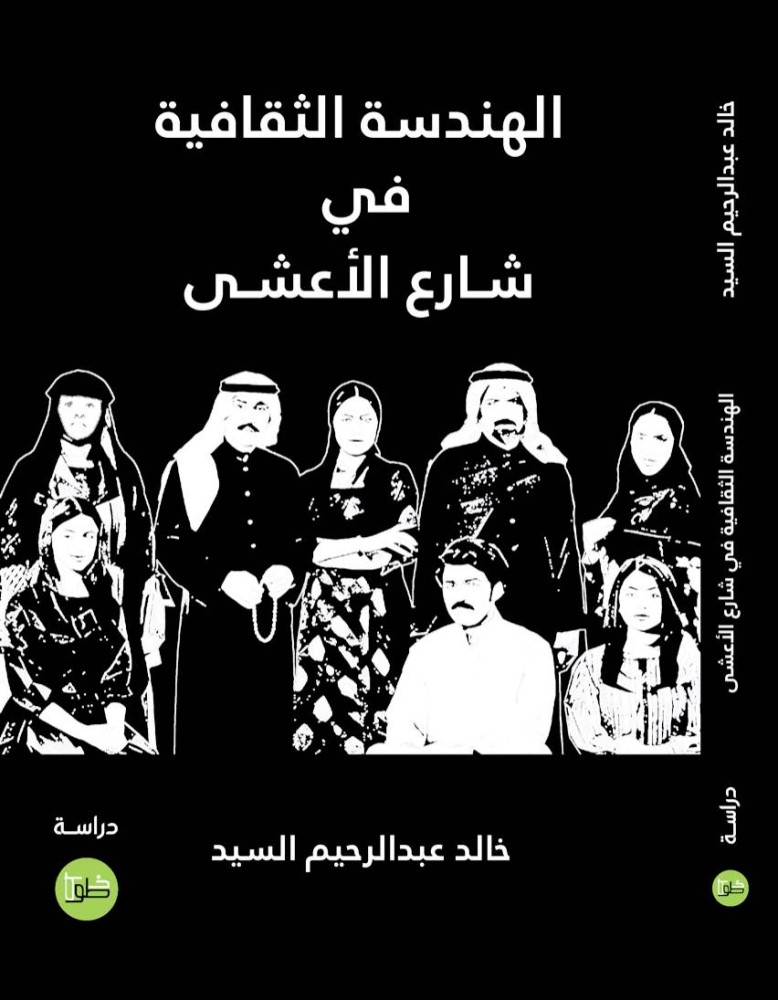
صدر للكاتب القطري خالد عبدالرحيم السيد، أحدث إصداراته (الهندسة الثقافية في مسلسل شارع الأعشى) قدّم فيه قراءة تحليلية لمسلسل «شارع الأعشى»، متجاوزاً النقد الفني أو الانطباعي السطحي، ليتناوله بوصفه مادة تحليلية غنية، ومثالاً تطبيقياً ضمن الإطار النظري والإستراتيجي لمفهوم «الهندسة الثقافية» متجاوزاً المفهوم الضيق لـ«الإدارة الثقافية» التي تركز غالباً على الجوانب التشغيلية والتنظيمية للمؤسسات والمشاريع، لتشمل الأبعاد الفكرية والسياسية والإستراتيجية، عبر نظرة للثقافة ليس باعتبارها خدمة أو ترفيهاً، بل عنصراً تأسيسياً في بناء الدولة والمجتمع، ومورداً إستراتيجياً لا يقل أهمية عن الموارد الاقتصادية أو الطبيعية.
ويتيح الكتاب فرصة لفهم أعمق لآليات إنتاج المعنى الرمزي وتداوله في المجتمع المعاصر، من خلال تساؤل عن كيف يمكن لعمل درامي أن يساهم في تعزيز الهوية والشعور بالانتماء لدى أجيال مختلفة؟ وبماذا أحدث تفاعلاً جماهيرياً واسعاً حول قضايا اجتماعية وثقافية ربما تكون شائكة أو مسكوتاً عنها؟ وما الرسائل الضمنية والقيم التي يسعى لترسيخها أو تحديها؟ وكيف يتفاعل كل ذلك مع الأهداف الإستراتيجية الأوسع للدولة أو للمؤسسات المنتجة؟
ويفكك الكتاب، عبر فصوله المتعددة، التجربة الغنية من زوايا مختلفة؛ منها الخلفية الدرامية، والسياق التاريخي، متعمقاً في بنيته الإنتاجية والفنية بما عكسته من طموحات إستراتيجية، جسدها المسلسل متمثلاً الهوية الثقافية وتوظيف الرموز المحلية، وكيف تناول قضايا المرأة والتمكين، وكيف تفاعل معه الجمهور والنقاد.
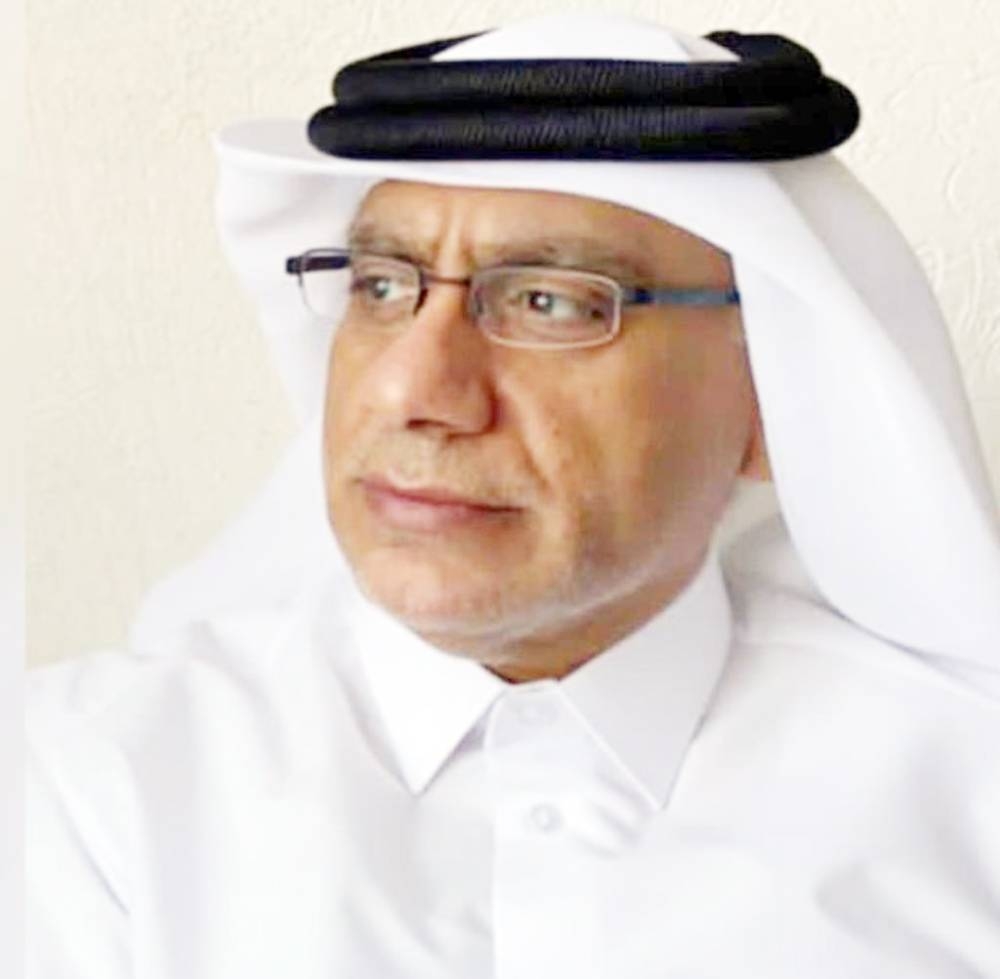
يقع الكتاب الصادر عن دار نشر (خطوط وظلال) الأردنية في 180 صفحة من القطع المتوسط. والمؤلف خالد السيّد، خبير ثقافي وإعلامي ومهندس قطري، يتميز بخبرة مهنية متعددة التخصصات، تمتد لأكثر من 30 عاماً في مجالات الهندسة، والإدارة، والثقافة، والإعلام. حاصل على بكالوريوس في الهندسة من جامعة نورث إيسترن في بوسطن، وماجستير في الادارة، ومدير إدارة مشاريع معتمد من معهد إدارة المشاريع – الولايات المتحدة، ودبلوم في الأدلة الجنائية الهندسية، إضافة إلى كونه محكماً دولياً وخبيراً معتمداً في المحاكم القطرية، وخبيراً في المنظمة العربية للتربية والثقافة والعلوم (الإلكسو).
خالد السيّد يهندس شارع الأعشى ثقافياً بآليات رمزية
20 يونيو 2025 - 06:54
|
آخر تحديث 20 يونيو 2025 - 06:54


تابع قناة عكاظ على الواتساب
علي الرباعي (الباحة) Al_ARobai@
The Qatari writer Khalid Abdulrahim Al-Sayed has released his latest publication, "Cultural Engineering in the Series 'Street of Al-A'sha'," in which he presents an analytical reading of the series "Street of Al-A'sha." He goes beyond superficial artistic or impressionistic criticism to treat it as a rich analytical material and a practical example within the theoretical and strategic framework of the concept of "cultural engineering," surpassing the narrow concept of "cultural management," which often focuses on the operational and organizational aspects of institutions and projects. Instead, it includes intellectual, political, and strategic dimensions, viewing culture not merely as a service or entertainment but as a foundational element in building the state and society, and a strategic resource no less important than economic or natural resources.
The book provides an opportunity for a deeper understanding of the mechanisms of producing and circulating symbolic meaning in contemporary society, through questioning how a dramatic work can contribute to enhancing identity and a sense of belonging among different generations. What has sparked widespread public interaction around social and cultural issues that may be sensitive or previously silenced? What implicit messages and values does it seek to establish or challenge? And how does all of this interact with the broader strategic goals of the state or the producing institutions?
The book dissects, through its various chapters, the rich experience from different angles, including the dramatic background and historical context, delving into its production and artistic structure as reflected in the strategic ambitions embodied by the series, representing cultural identity and employing local symbols, and how it addressed women's issues and empowerment, as well as how the audience and critics interacted with it.
The book, published by the Jordanian publishing house (Khutut wa Dhilal), spans 180 pages of medium size. The author, Khalid Al-Sayed, is a cultural and media expert and a Qatari engineer, distinguished by his multidisciplinary professional experience, which extends over 30 years in the fields of engineering, management, culture, and media. He holds a Bachelor's degree in engineering from Northeastern University in Boston, a Master's degree in management, is a certified project management director from the Project Management Institute – United States, and has a diploma in forensic engineering. Additionally, he is an international arbitrator and a certified expert in Qatari courts, as well as an expert in the Arab Organization for Education, Culture, and Science (ALECSO).
The book provides an opportunity for a deeper understanding of the mechanisms of producing and circulating symbolic meaning in contemporary society, through questioning how a dramatic work can contribute to enhancing identity and a sense of belonging among different generations. What has sparked widespread public interaction around social and cultural issues that may be sensitive or previously silenced? What implicit messages and values does it seek to establish or challenge? And how does all of this interact with the broader strategic goals of the state or the producing institutions?
The book dissects, through its various chapters, the rich experience from different angles, including the dramatic background and historical context, delving into its production and artistic structure as reflected in the strategic ambitions embodied by the series, representing cultural identity and employing local symbols, and how it addressed women's issues and empowerment, as well as how the audience and critics interacted with it.
The book, published by the Jordanian publishing house (Khutut wa Dhilal), spans 180 pages of medium size. The author, Khalid Al-Sayed, is a cultural and media expert and a Qatari engineer, distinguished by his multidisciplinary professional experience, which extends over 30 years in the fields of engineering, management, culture, and media. He holds a Bachelor's degree in engineering from Northeastern University in Boston, a Master's degree in management, is a certified project management director from the Project Management Institute – United States, and has a diploma in forensic engineering. Additionally, he is an international arbitrator and a certified expert in Qatari courts, as well as an expert in the Arab Organization for Education, Culture, and Science (ALECSO).