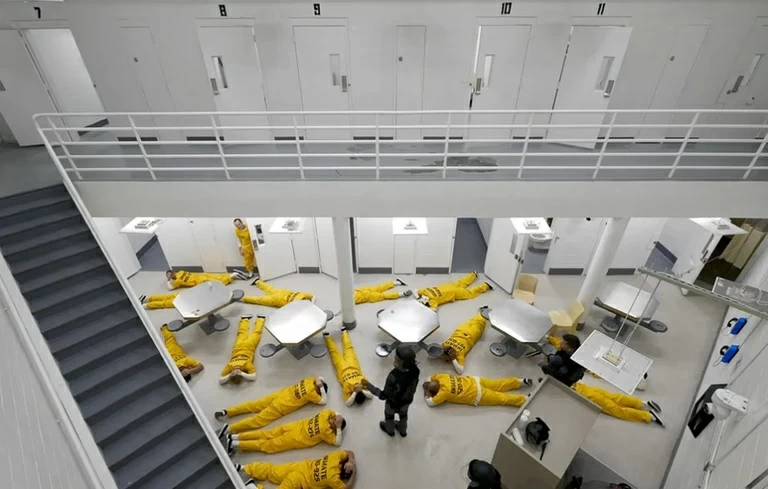
أثار إعلان عن مسلسل واقعي يعيد تجربة (سجن ستانفورد) الشهيرة موجة واسعة من الجدل، بعدما كُشف عن مشروع جديد يشارك فيه 30 متطوعًا يدخلون سجنًا حقيقيًا قبل توزيعهم عشوائيًا بين أدوار الحراس والسجناء، في محاولة لاختبار تأثير السلطة والتراتبية على السلوك البشري.
ويستند العمل الذي يحمل اسم The New Stanford Prison Experiment إلى التجربة الأصلية التي أجريت عام 1971 داخل جامعة ستانفورد، والتي توقفت بعد ستة أيام فقط بسبب السلوكيات العدوانية والضغوط النفسية التي تعرض لها المشاركون؛ ما جعلها واحدة من أكثر الدراسات إثارة للجدل في تاريخ علم النفس.
الإعلان عن المسلسل أثار انتقادات حادة عبر منصات التواصل، إذ رأى كثيرون أن تحويل تجربة ذات حساسية أخلاقية إلى محتوى ترفيهي يعيد إنتاج ظروف قاسية سبق أن تعرض لها المشاركون في النسخة الأصلية. بينما عبّر آخرون عن اهتمامهم بمشاهدة العمل، ما عكس حالة انقسام واضحة حول المشروع.
وتجدّد الجدل مع استحضار روايات المشاركين في التجربة الأولى؛ ومن أبرزها قصة دوغ كوربي الذي تحدث في وثائقي عُرض عام 2024 عن شعوره بالعجز داخل التجربة، مدعيًا أنه اضطر للتظاهر بانهيار نفسي للخروج منها، قبل أن ينفي عالم النفس فيليب زيمباردو هذه الرواية ويؤكد أن ما حدث كان انهيارًا حقيقيًا.
ومع اقتراب موعد عرض المسلسل، يعود النقاش القديم حول الحدود الفاصلة بين التجارب النفسية والمحتوى الترفيهي، ومدى ملاءمة إعادة إنتاج تجربة لا تزال محل جدل علمي وأخلاقي حتى اليوم.
The announcement of a reality series that recreates the famous Stanford Prison Experiment has sparked a wide wave of controversy, after a new project was revealed in which 30 volunteers enter a real prison before being randomly assigned to the roles of guards and prisoners, in an attempt to test the effects of power and hierarchy on human behavior.
The work, titled The New Stanford Prison Experiment, is based on the original experiment conducted in 1971 at Stanford University, which was halted after only six days due to the aggressive behaviors and psychological pressures experienced by the participants; making it one of the most controversial studies in the history of psychology.
The announcement of the series has drawn sharp criticism across social media platforms, as many believe that turning an ethically sensitive experiment into entertainment content reproduces the harsh conditions that participants in the original version faced. Meanwhile, others expressed interest in watching the work, reflecting a clear division regarding the project.
The controversy has been renewed with the recall of accounts from participants in the first experiment; one of the most notable being the story of Doug Korpi, who spoke in a documentary aired in 2024 about his feelings of helplessness during the experiment, claiming that he had to pretend to have a psychological breakdown to escape it, before psychologist Philip Zimbardo denied this account and asserted that what happened was a real breakdown.
As the premiere date of the series approaches, the old debate about the boundaries between psychological experiments and entertainment content resurfaces, and the appropriateness of recreating an experiment that remains a subject of scientific and ethical controversy to this day.