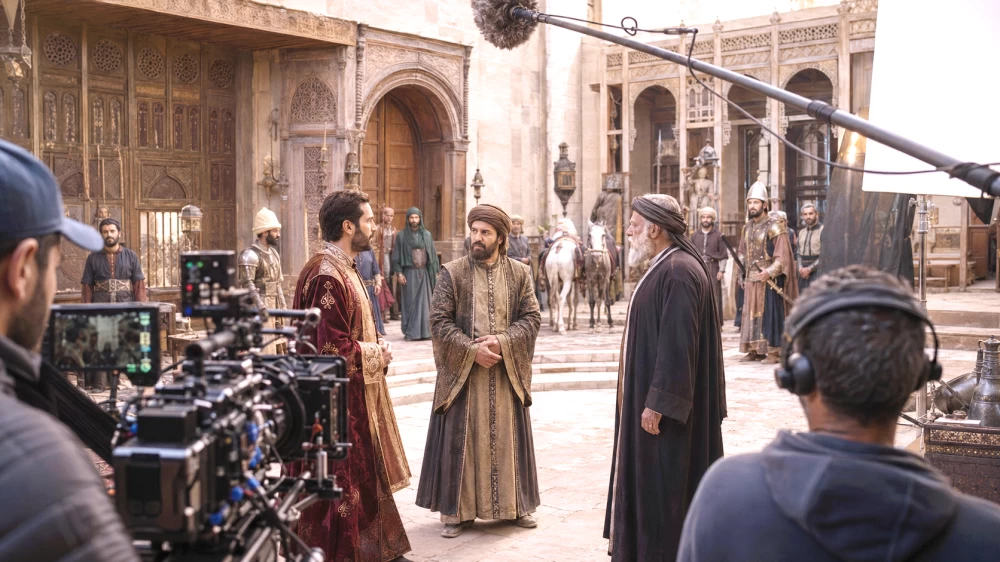
دخلت المسلسلات التاريخية مرحلة مختلفة بعدما خفت وهجها مقارنة بمواسم سابقة، حين كانت تتصدر خريطة العرض، وتستقطب الجمهور بما تحمله من حكايات كبرى وشخصيات مؤثرة ومعارك ضخمة. هذا التحوّل يرتبط بتغير ذائقة المشاهد، وتطور أدوات صناعة الدراما، واحتدام المنافسة مع الأعمال الاجتماعية والبوليسية والقصيرة.
في الماضي، كان العمل التاريخي يمنح المتلقي فرصة نادرة لاكتشاف الأزمنة البعيدة بصرياً. أما اليوم، فقد أصبحت المعرفة متاحة عبر المنصات الرقمية والأفلام الوثائقية والمحتوى المرئي المتدفق، ما رفع سقف التوقعات وجعل الملابس القديمة والقصور والمعارك عناصر مساندة، بينما تتقدم الرؤية الفنية والحبكة والشخصيات إلى الواجهة.
المشاهد المعاصر يبحث عن تاريخ ينبض بالحياة، وعن شخصيات تتحرك بدوافع إنسانية واضحة، تحمل نقاط قوة وضعف، وتدخل في صراعات تلامس أسئلة الحاضر. وكلما اقتربت الدراما من الخطابة وسرد الوقائع تراجع تأثيرها وتحوّلت الحكاية إلى درس مصور، مهما بلغت فخامة الإنتاج.
وتفرض الأعمال التاريخية تحديات إنتاجية مضاعفة، فالديكور والملابس واللهجات وتصميم المعارك تحتاج إلى ميزانيات كبيرة وبحث دقيق، كما تكشف الشاشة أي خلل في التفاصيل بسرعة. وفي الجهة الأخرى، تمنح الدراما المعاصرة صُنّاعها مساحة أوسع للحركة، وإيقاعاً أسرع، وقدرة مباشرة على مناقشة قضايا الجمهور بتكاليف أكثر مرونة.
ويمثّل هدوء الموجة مرحلة مراجعة فنية أكثر من كونه انحساراً كاملاً. فالتاريخ ما زال مادة ثرية، لكن حضوره القوي يرتبط بمؤلف يقرأ خلف الوقائع، ومخرج يبني عالماً مقنعاً، وممثل يعيد الشخصية إلى طبيعتها البشرية، فيما يحتفظ الجمهور بشغفه تجاه التاريخ، حين يصل إليه عبر سرد متماسك وصورة صادقة ومعالجة تحمل وجهة نظر؛ لذلك تبدو عودة المسلسلات التاريخية مرهونة بنضج التجربة، واختيار الحكايات القادرة على عبور الزمن، وربط الماضي بأسئلة الإنسان الراهنة.
Historical series have entered a different phase after their glow has dimmed compared to previous seasons, when they topped the broadcast schedule and attracted audiences with their grand tales, influential characters, and massive battles. This shift is linked to changes in viewer tastes, the evolution of drama production tools, and intensified competition with social, police, and short works.
In the past, historical works provided audiences with a rare opportunity to visually discover distant times. Today, however, knowledge is available through digital platforms, documentaries, and streaming visual content, which has raised expectations and made old clothing, palaces, and battles supporting elements, while artistic vision, plot, and characters take center stage.
The contemporary viewer seeks a history that is vibrant and alive, with characters driven by clear human motivations, possessing strengths and weaknesses, and engaging in conflicts that touch on present-day questions. The more drama veers towards rhetoric and recounting events, the less impactful it becomes, turning the story into a filmed lesson, no matter how grand the production.
Historical works impose multiplied production challenges, as decor, costumes, dialects, and battle designs require large budgets and meticulous research, and the screen quickly reveals any flaws in the details. On the other hand, contemporary drama offers its creators a broader space for movement, a faster pace, and a direct ability to discuss audience issues with more flexible costs.
The calmness of this wave represents a phase of artistic review rather than a complete retreat. History remains a rich material, but its strong presence is linked to a writer who reads behind the events, a director who builds a convincing world, and an actor who restores the character to its human nature, while the audience maintains its passion for history when it reaches them through a cohesive narrative, an authentic image, and a treatment that carries a perspective; thus, the return of historical series seems contingent upon the maturity of the experience and the selection of stories capable of transcending time and connecting the past with present human questions.