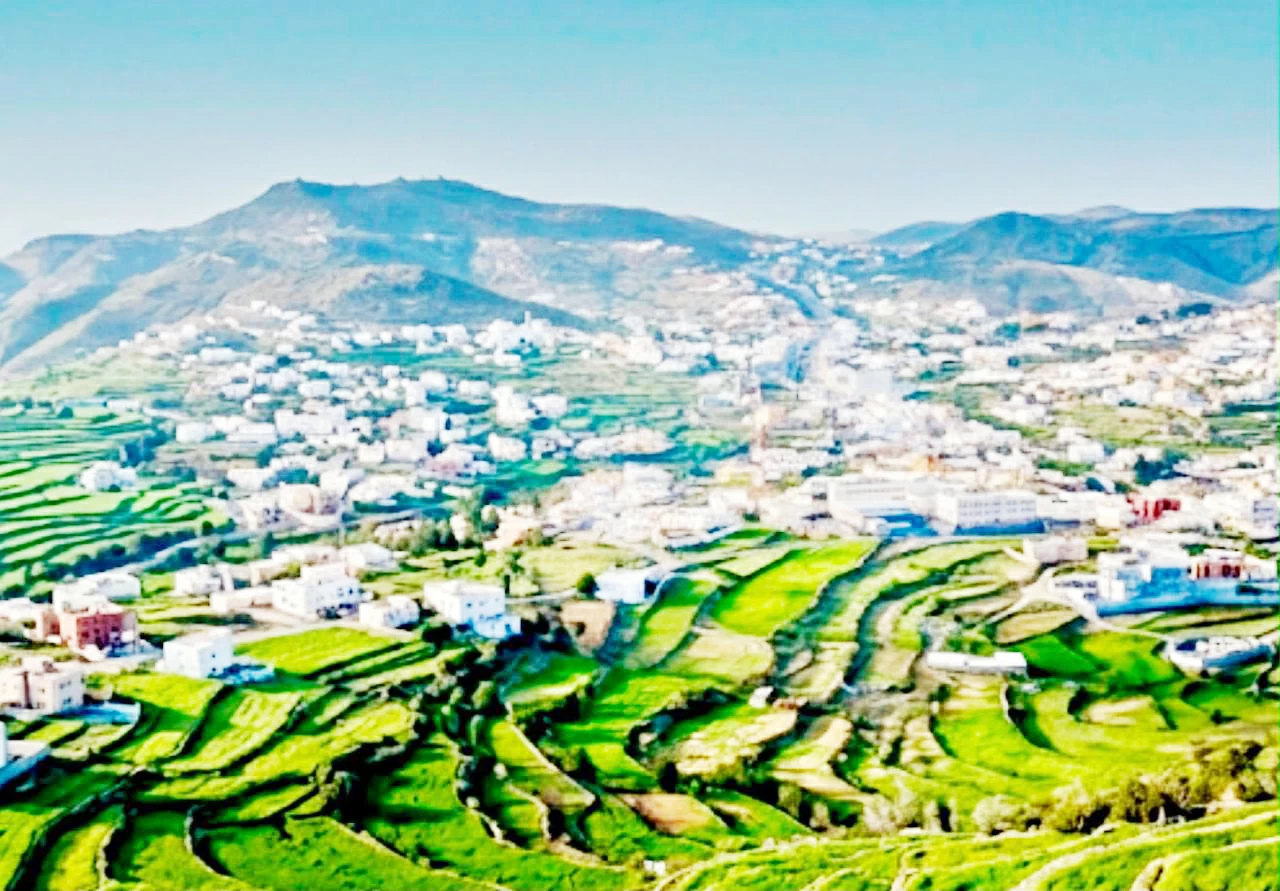
تصاعدت أزمة المياه في مركز بلّسمر شمال مدينة أبها، واتسعت آثارها لتشمل عدداً كبيراً من القرى، عقب توقف توزيع المياه على العديد من المستفيدين بعد بدء المقاول الجديد تنفيذ مشروع السقيا، بحجة الالتزام باشتراطات جديدة لتنظيم آلية الاستفادة من الخدمة.
وأثار القرار موجة من الاستياء بين الأهالي، بعد اعتماد شرط يقضي بأن يكون منزل المستفيد ضمن نطاق يبعد ما بين 20 و25 كيلومتراً عن محطة التحلية للحصول على بطاقة السقيا، وهو ما أدى إلى استبعاد عدد كبير من القرى والأسر المحتاجة من الاستفادة من الخدمة.
وأوضح طراد بن علي آل مصعفق، أن تطبيق هذا الشرط لا يراعي الطبيعة الجبلية الوعرة للمنطقة، التي تجعل نقل المياه عبر الصهاريج الخاصة أمراً بالغ الصعوبة ومرتفع التكلفة على السكان.
من جهته، اعتبر منصور بن علي بن عيسى، أن الاشتراطات الجديدة تمثّل عائقاً أمام حصول معظم الأسر على المياه، مشيراً إلى أن كثيراً من ذوي الدخل المحدود لم يعودوا قادرين على تحمل تكاليف شراء المياه من السوق.
وأكد عبدالله بن حسن آل فهران، أن سكان المنطقة يعيشون بالقرب من مشاريع التحلية، إلا أنهم لا يستفيدون منها، معتبراً أن نجاح المشاريع التنموية يقاس بمدى انعكاسها على حياة المواطنين ووصول خدماتها إليهم.
بدوره، أشار محمد بن حمدان، إلى أن توفير المياه يعد من أساسيات جودة الحياة والاستقرار الأسري، مؤكداً أن معالجة أوضاع قرى بلّسمر تنسجم مع مستهدفات رؤية المملكة 2030 الرامية إلى تعزيز خدمات البنية التحتية وضمان وصولها إلى جميع المستفيدين.
ولفت توفيق بن سعيد آل مسفر، إلى أن توقف خدمة السقيا دفع العديد من الأهالي للاعتماد على صهاريج المياه الخاصة، الأمر الذي أدى إلى ارتفاع الأسعار واستغلال حاجة السكان في ظل ضعف الرقابة.
وطالب عبدالرحمن بن علي آل شاهر، بإعادة النظر في الاشتراطات الجديدة، وإلغاء شرط المسافة، وإعادة صرف بطاقات السقيا لجميع قرى بلّسمر كما كان معمولاً به سابقاً، مع إيجاد حلول مستدامة تضمن وصول المياه للمستفيدين دون تعقيدات.
وفي المقابل، أوضح المقاول المنفذ للمشروع، أنه يلتزم بتنفيذ التعليمات الصادرة من شركة المياه الوطنية، مؤكداً أن تحديد معايير الاستحقاق وشروط الخدمة من اختصاص الشركة المشرفة، ولا يملك المقاول صلاحية تعديلها أو استثناء أي قرية.
من جانبها، أكدت شركة المياه الوطنية، على لسان مدير الاتصال المؤسسي بالقطاع الجنوبي عبدالله حجازي، أن خدمة السقيا المجانية وآلية صرف البطاقات تخضع لمعايير معتمدة تطبق في جميع محافظات ومراكز المنطقة وفق عقود السقيا. وأضاف، أن الحالات التي لا تنطبق عليها شروط الاستحقاق يمكنها الحصول على المياه عبر محطات التوزيع أو من خلال تقديم طلب عبر تطبيق الشركة أو موقعها الإلكتروني.
The water crisis in the center of Balsamer, north of Abha, has escalated, and its effects have expanded to include a large number of villages, following the cessation of water distribution to many beneficiaries after the new contractor began implementing the water supply project, under the pretext of adhering to new conditions to regulate the mechanism of benefiting from the service.
The decision sparked a wave of discontent among residents, after a condition was adopted stating that the beneficiary's home must be within a range of 20 to 25 kilometers from the desalination station to obtain a water supply card, which led to the exclusion of a large number of villages and needy families from benefiting from the service.
Tarad bin Ali Al-Masafq explained that the application of this condition does not take into account the rugged mountainous nature of the area, which makes transporting water via private tankers extremely difficult and costly for residents.
For his part, Mansour bin Ali bin Issa considered that the new conditions represent an obstacle to most families' access to water, pointing out that many low-income individuals can no longer afford the costs of purchasing water from the market.
Abdullah bin Hassan Al-Fahran confirmed that the residents of the area live near desalination projects, yet they do not benefit from them, considering that the success of developmental projects is measured by the extent of their impact on citizens' lives and the delivery of their services to them.
In turn, Mohammed bin Hamdan pointed out that providing water is one of the essentials of quality of life and family stability, emphasizing that addressing the conditions of Balsamer villages aligns with the objectives of Saudi Vision 2030 aimed at enhancing infrastructure services and ensuring their accessibility to all beneficiaries.
Tawfiq bin Saeed Al-Masfar noted that the cessation of the water supply service has forced many residents to rely on private water tankers, which has led to rising prices and exploitation of residents' needs amid weak oversight.
Abdulrahman bin Ali Al-Shaher called for a reconsideration of the new conditions, the cancellation of the distance requirement, and the reinstatement of water supply cards for all Balsamer villages as was previously practiced, along with finding sustainable solutions that ensure water reaches beneficiaries without complications.
In contrast, the contractor executing the project clarified that it is committed to implementing the instructions issued by the National Water Company, confirming that determining eligibility criteria and service conditions falls under the authority of the supervising company, and the contractor does not have the authority to amend them or exempt any village.
For its part, the National Water Company, through the Director of Corporate Communications in the Southern Sector, Abdullah Hijazi, confirmed that the free water supply service and the mechanism for issuing cards are subject to approved standards applied in all governorates and centers of the region according to water supply contracts. He added that cases that do not meet the eligibility criteria can obtain water through distribution stations or by submitting a request via the company's application or website.