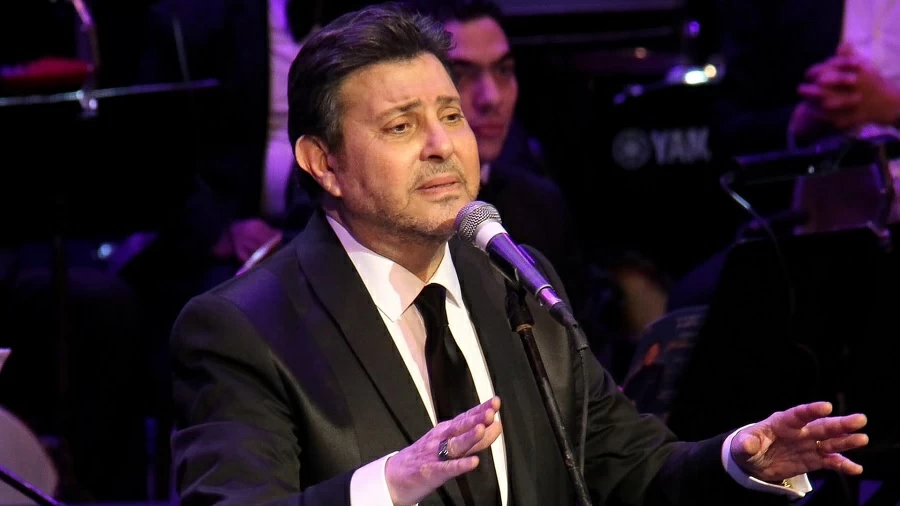
بمجرد ظهوره في مطلع السبعينات، نجح الفنان الراحل هاني شاكر في أن يصبح واحدًا من أبرز أعمدة الغناء العربي، وواحدًا من رموز الجيل الذهبي الذي حافظ على أصالة الطرب في زمن التحولات الفنية السريعة، وساهم في ذلك نشأته على حب الموسيقى، ليستحوذ على مكانة استثنائية منحته لقب «أمير الغناء العربي»، وسط عمالقة الفن مثل عبدالحليم حافظ ومحمد عبدالوهاب وفريد الأطرش.
ياريتك معايا
وسط عمالقة الفن الجميل بدأت انطلاقة «شاكر» الحقيقية في أوائل السبعينات،إذ كان أول ظهور رسمي له في 1972، من خلال أغنية لحنها الموسيقار محمد الموجي، لتفتح له أبواب الشهرة سريعًا، ومع إصدار ألبومه الأول «ياريتك معايا» في 1974، ثبت أقدامه في الساحة الفنية، مقدمًا لونًا غنائيًا مميزاً.
وعلى مدار مسيرته، تعاون هاني شاكر مع نخبة من كبار صناع الموسيقى، من بينهم صلاح الشربيني وحسن أبو السعود وبهاء الدين محمد ومصطفى كامل وخالد البكري، وهو ما انعكس على تنوع أعماله ما بين الفراق والندم والحب، ليتغنى بجميع ألوان الحب والرومانسية.
واكب الأجيال
نجح شاكر في تقديم مجموعة من الأغاني التي لا تزال حاضرة في وجدان الجمهور، مثل «كده برضه يا قمر، غلطة، علي الضحكاية، شاور، الحلم الجميل، جرحي أنا، وياريتني»، ولم تتوقف مسيرته عند حدود النجاح التقليدي، بل استطاع أن يواكب تغيرات الذوق العام عبر ألبومات متتالية، من «الحب ملوش كبير وعلي الضحكاية، إلى تخسري والحلم الجميل»، وصولًا إلى ألبوم «جرحي أنا» في الألفينات، ثم أعمال لاحقة مثل «حبك يا غالي وبعدك مليش وأغلى بشر»، ليصدر ألبوم «اليوم الجميل» في2024.
أفلام ومسرحيات
وبجانب الغناء، خاض هاني شاكر تجربة التمثيل، من خلال مشاركته في عدد من الأفلام مثل «هذا أحبه وهذا أريده، وعايشين للحب، وعندما يغني الحب»، إضافة لفيلم «سيد درويش»، كما وقف على خشبة المسرح في أعمال مثل «مصر بلدنا وسندريلا والملاح»، ما يعكس تنوع موهبته الفنية.
حالة فنية خاصة
هكذا ظل هاني شاكر حالة فنية خاصة، استطاعت أن تجمع بين الرومانسية الكلاسيكية والاستمرارية، ليبقى صوته شاهدًا على زمن جميل لم يفقد بريقه، بل يعيد تقديم نفسه مع كل جيل جديد.
قدّم شاكر خلال مسيرته أكثر من 600 أغنية ونحو 29 ألبومًا، وتعاون مع كبار الشعراء والملحنين في مصر والعالم العربي، وحقق انتشارًا واسعًا بأعماله الرومانسية والوطنية.
وتولى منصب نقيب المهن الموسيقية في مصر لفترتين متتاليتين عامي 2015 و2019، ليجمع بين النشاط الفني والدور النقابي داخل الوسط الموسيقي.
Once he emerged in the early seventies, the late artist Hani Shaker succeeded in becoming one of the most prominent pillars of Arab singing, and one of the symbols of the golden generation that preserved the authenticity of tarab during a time of rapid artistic transformations. His upbringing in a love for music allowed him to attain an exceptional status that earned him the title of "The Prince of Arab Singing," alongside giants of the art such as Abdel Halim Hafez, Mohamed Abdel Wahab, and Farid al-Atrash.
I Wish You Were With Me
Amidst the giants of beautiful art, Shaker's true launch began in the early seventies, with his first official appearance in 1972 through a song composed by musician Mohamed El-Mougy, which quickly opened the doors to fame for him. With the release of his first album "I Wish You Were With Me" in 1974, he established his presence in the artistic arena, presenting a distinctive musical style.
Throughout his career, Hani Shaker collaborated with a select group of major music producers, including Salah Al-Sharbin, Hassan Abu Saud, Bahaa El-Din Mohamed, Mustafa Kamel, and Khaled Al-Bakri. This collaboration reflected the diversity of his works, which ranged from separation and regret to love, allowing him to sing all shades of love and romance.
Keeping Up with Generations
Shaker succeeded in presenting a collection of songs that remain present in the hearts of the audience, such as "Keda Bardu Ya Amar, Ghalta, Ali El-Dahkaya, Shawer, El-Helm El-Gamil, Garhi Ana, and Ya Raytni." His career did not stop at traditional success; he was able to keep up with changes in public taste through successive albums, from "El-Hob Malosh Kabeer and Ali El-Dahkaya" to "Tekhsari and El-Helm El-Gamil," reaching the album "Garhi Ana" in the 2000s, followed by later works such as "Habak Ya Ghali, Ba'dak Malish, and Aghla Bashar," culminating in the release of the album "El-Youm El-Gamil" in 2024.
Films and Plays
In addition to singing, Hani Shaker ventured into acting, participating in several films such as "This I Love and This I Want, Living for Love, and When Love Sings," in addition to the film "Sayed Darwish." He also stood on stage in works like "Masr Baladna, Cinderella, and Al-Malah," reflecting the diversity of his artistic talent.
A Special Artistic Case
Thus, Hani Shaker remained a special artistic case, managing to combine classical romance with continuity, keeping his voice as a testament to a beautiful era that has not lost its luster, but rather reintroduces itself with each new generation.
Throughout his career, Shaker presented more than 600 songs and around 29 albums, collaborating with major poets and composers in Egypt and the Arab world, achieving widespread popularity with his romantic and patriotic works.
He held the position of head of the Musicians' Syndicate in Egypt for two consecutive terms in 2015 and 2019, balancing artistic activity with a syndical role within the musical community.