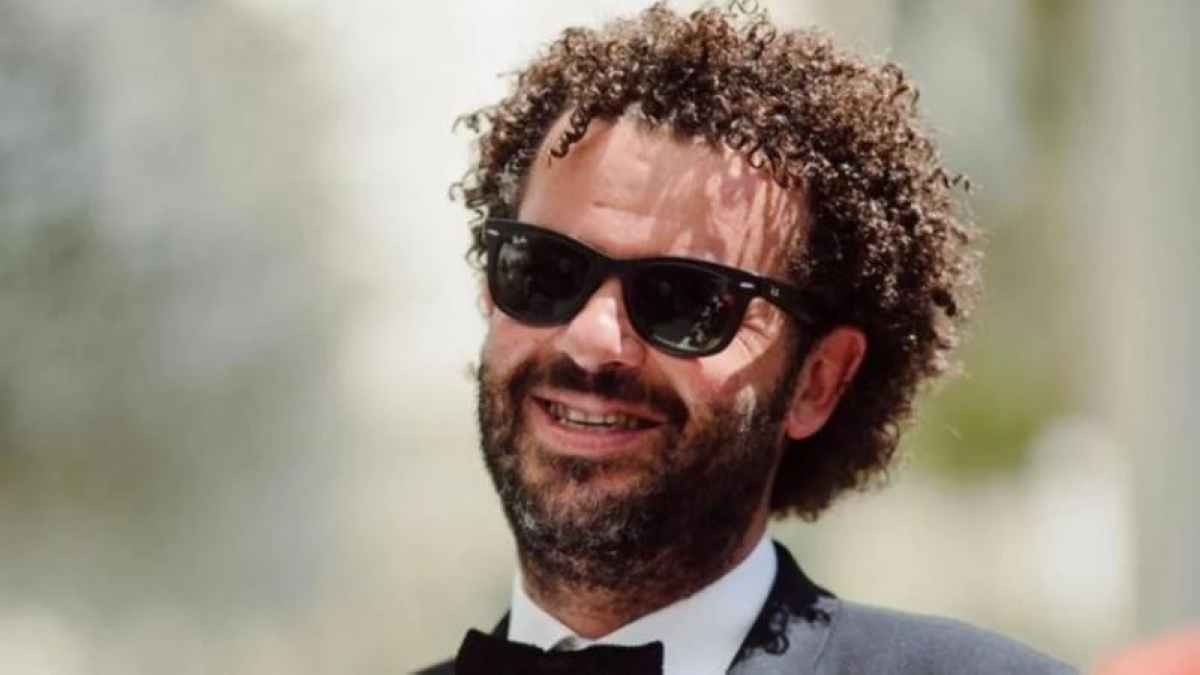
رد مخرج حفل افتتاح المتحف المصري الكبير مازن المتجول على الانتقادات التي طالت الحفل.
وأكد في تصريحات إعلامية أن أي عمل فني ضخم لا بد أن يثير تباينا في الآراء، مشددا على أهمية التركيز على النجاحات والإنجازات التي حققها الحدث الاستثنائي.
وقال المتجول: «من الطبيعي أن تظهر بعض الملاحظات في حدث بهذا الحجم، سواء كانت تقنية أو تنظيمية، وأفضّل دائما النظر إلى الجانب المشرق من الأمور، وأحترم وجهة نظر الجميع، فكل مشروع يحمل جوانب قابلة للتحسين»، مشيرا إلى أن العديد من عناصر الحفل جاءت متميزة وناجحة في إيصال الفكرة العامة، لافتا إلى أن التفاصيل الدقيقة، من الديكورات إلى الموسيقى والعروض الفنية، لم تكن عشوائية، بل صُمّمت لتعكس فلسفة ورسائل محددة تتجلى بوضوح عند إعادة مشاهدة الحفل.
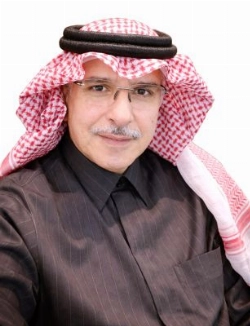
وأوضح بأن الإشراف على حدث بهذا الحجم يحتاج إلى جهد جماعي ضخم، مثنيا على دور عضو مجلس إدارة الشركة المتحدة للخدمات الإعلامية محمد السعدي، الذي تولى الإشراف الكامل على الحفل وكان بمثابة «المايسترو» الذي نسق بين جميع التفاصيل.
وأضاف المتجول: «الحفل لم يكن مجرد مناسبة إعلامية، بل رسالة فنية وثقافية تهدف إلى الترويج للآثار والتاريخ المصري عالميا»، مشيرا إلى أن حجم الجهد المبذول كان كبيرا ويستحق التقدير.
مازن المتجول
والمتجول مخرج، ومدير تصوير، ومصمم إضاءة، ويعد من أبرز الأسماء في المجال البصري والإخراجي في السنوات الأخيرة. بدأ مسيرته مبكرا كأصغر مدير تصوير في مصر بعمر 23 عاما، حين عمل على فيلمه الروائي الأول «الحاسة السابعة»، بعد تخرجه من المعهد العالي للسينما عام 2004.
شارك في تصوير عدد من أنجح وأشهر الأفلام المصرية، منها «نعمة باي»، و«الوتر»، و«كابتن هيما»، و«تيتة رهيبة»، و«ولاد رزق» بأجزائه الثلاثة، والذي نال عنه جائزة أفضل تصوير سينمائي تقديرا لإبداعه، إلى جانب فيلم «الخلية» الذي يُعد من أبرز أفلام الأكشن في تاريخ السينما المصرية.
كما تعاون المتجول مع وكالات عالمية وعلامات تجارية كبرى في مجال الإعلانات، وصوّر أعمالا في دول عدة، من بينها إسبانيا، وإيطاليا، والولايات المتحدة، والبرازيل، واليابان، وإنجلترا، وروسيا.
وعام 2021، برز المتجول في إخراج وتصميم إضاءة موكب المومياوات الملكية الذي أبهر العالم ونال إشادات واسعة، ليكرّس مكانته كأحد أهم المخرجين المصريين في مجال الإبهار البصري والإخراج الفني.
The director of the opening ceremony of the Grand Egyptian Museum, Mazen Al-Mutajawil, responded to the criticisms directed at the event.
He confirmed in media statements that any large artistic work is bound to evoke differing opinions, emphasizing the importance of focusing on the successes and achievements of this exceptional event.
Al-Mutajawil said: "It is natural for some comments to arise in an event of this magnitude, whether they are technical or organizational. I always prefer to look at the bright side of things, and I respect everyone's point of view, as every project has aspects that can be improved." He pointed out that many elements of the ceremony were distinctive and successful in conveying the overall idea, noting that the intricate details, from the decorations to the music and artistic performances, were not random but designed to reflect specific philosophies and messages that become clear when watching the ceremony again.
He explained that overseeing an event of this size requires a massive collective effort, praising the role of Mohamed Al-Saadi, a board member of the United Media Services Company, who took full supervision of the ceremony and acted as the "conductor" coordinating all the details.
Al-Mutajawil added: "The ceremony was not just a media event, but an artistic and cultural message aimed at promoting Egyptian antiquities and history globally," noting that the amount of effort put into it was significant and deserving of appreciation.
Mazen Al-Mutajawil
Al-Mutajawil is a director, cinematographer, and lighting designer, and he is considered one of the most prominent names in the visual and directorial field in recent years. He began his career early as the youngest cinematographer in Egypt at the age of 23 when he worked on his first feature film, "The Seventh Sense," after graduating from the Higher Institute of Cinema in 2004.
He participated in the cinematography of several of the most successful and famous Egyptian films, including "Ni'ma Bay," "Al-Watar," "Captain Hima," "Tita Rahiba," and the three parts of "Awlad Rizk," for which he won the Best Cinematography Award in recognition of his creativity, alongside the film "The Cell," which is considered one of the most prominent action films in the history of Egyptian cinema.
Al-Mutajawil has also collaborated with global agencies and major brands in the advertising field, filming projects in several countries, including Spain, Italy, the United States, Brazil, Japan, England, and Russia.
In 2021, Al-Mutajawil stood out for directing and designing the lighting for the Royal Mummies Parade, which amazed the world and received widespread acclaim, solidifying his position as one of the most important Egyptian directors in the field of visual spectacle and artistic direction.