


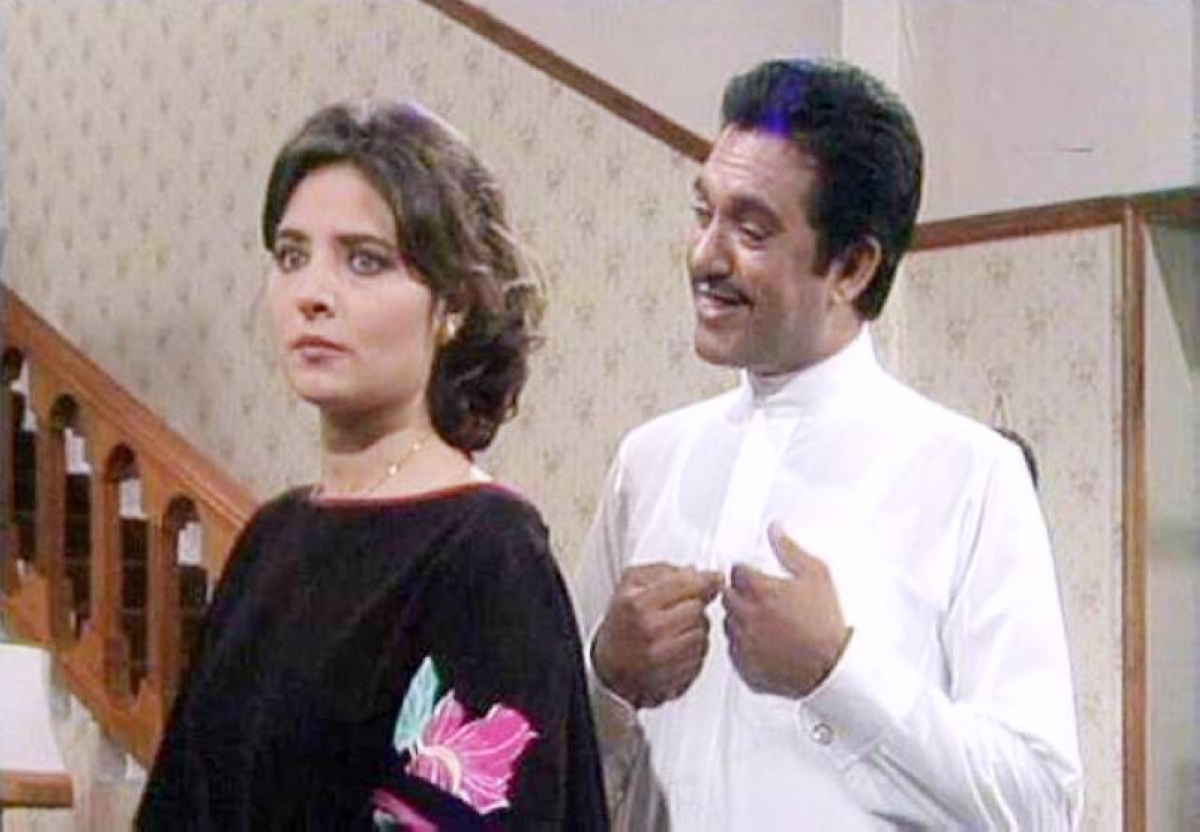
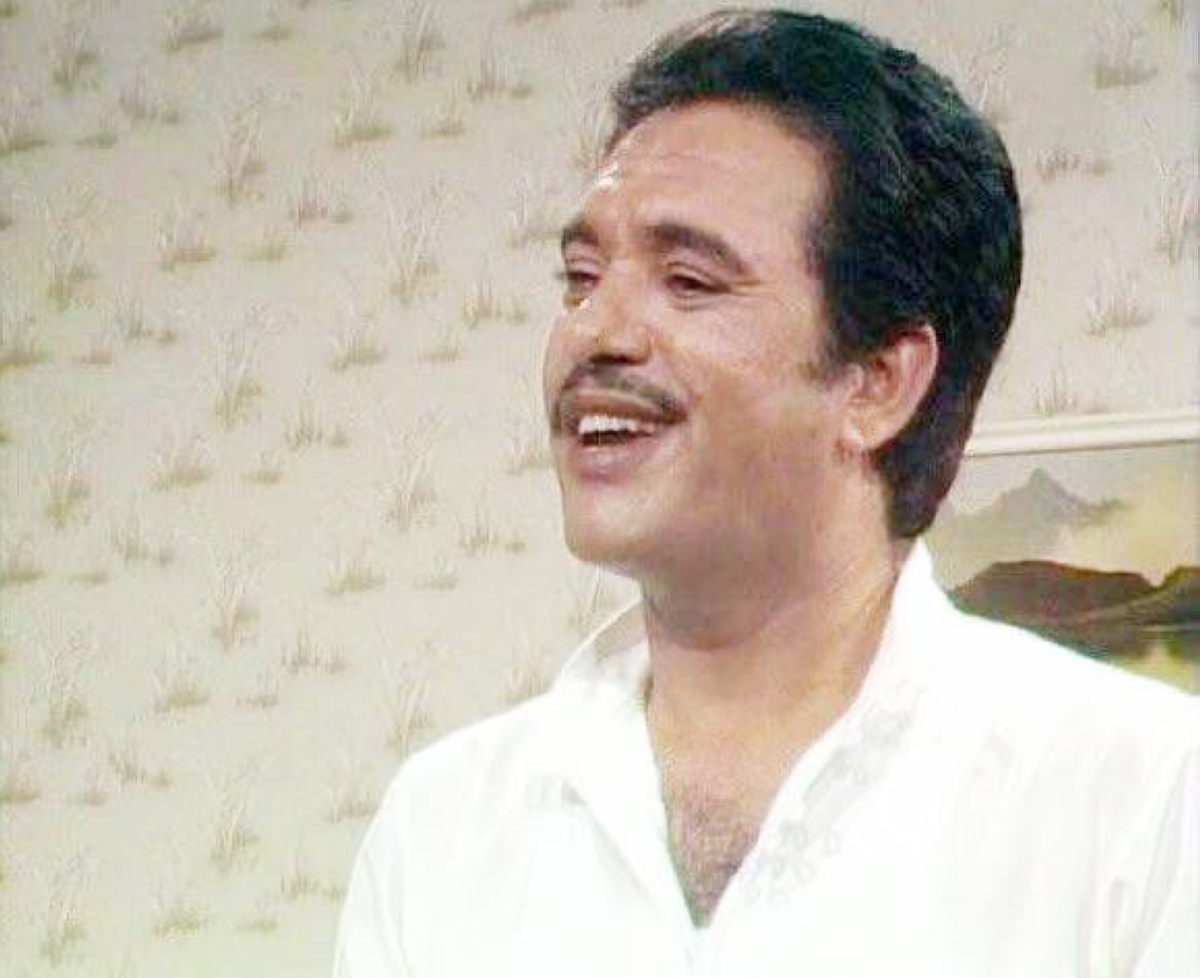
يصادف اليوم مرور خمس سنوات على رحيل عميد الدراما السعودية محمد حمزة.
غيابٌ لم يُطفأ أثره، إذ كان مرجعية فنية لا تنتمي إلى جيل بعينه، بل إلى ذاكرة الدراما السعودية بأكملها.
محمد حمزة، يُستحضر اليوم بوصفه وعيًا دراميًا متقدًا، أعاد صياغة وظيفة الفن، وفتح أمام الدراما المحلية أبوابًا كانت موصدة، فجعلها خطابًا ثقافيًا يترسخ في وجدان الناس.
كيف لا؟! وهو الذي ما زالت أعماله حتى اليوم راسخة برسائلها الهادفة.
لقد كان حمزة قيمة مركبة: ممثل يمنح الشخصية صدقها، كاتب يزرع الفكرة في عمق النص، ومنتج يمتلك الجرأة على تحويل الحلم إلى صورة متحركة. بهذه الثلاثية ارتسمت ملامح مشروعه الفني الذي لم يتكئ على الوفرة، بل على الكثافة، ولم يتعمد الركض خلف العدد، بل خلف البصمة. فالقيمة عنده لم تكن في تراكم العناوين، بل في خلود التجربة، وفي تحويل العمل إلى علامة يصعب تجاوزها.
أرسى حمزة، قناعة بأن الدراما ليست استعراضًا بصريًا عابرًا، وإنما مرآة المجتمع وذاكرته الطويلة.
كل حضور له على الشاشة كان بمثابة إعلان عن أن الفن قادر على أن يعكس أسئلة الناس، ويمنح وجوههم حضورًا في فضاء جماعي، ويضع المجتمع أمام صورته كما لم يرها من قبل.
لقد فتح للدراما السعودية أفقًا يتجاوز المحلية الضيقة إلى أفق عربي واسع، مؤكدًا أن التجربة قادرة على أن تتنفس خارج حدودها.
بعد خمسة أعوام من الغياب، يبدو حمزة، حاضرًا أكثر من أي وقت مضى: في نقد الذاكرة، في سرديات البدايات، وفي كل قراءة جادة لتاريخ الدراما.
إن استعادة إرثه ليست ترفًا عاطفيًا، بل مسؤولية ثقافية، ووفاء لاسم صاغ هوية الدراما السعودية في لحظتها الأولى.
ولعلّ أقل ما يُنتظر أن يحمل مسرح اسمه في الرياض أو في جدة، تكريمًا لرجل لم يضيّع الفن في تفاصيل عابرة، بل جعله وعيًا يُكتب في سجل التاريخ.
#بروفايل
في ذكرى رحيله.. محمد حمزة قيمة تاريخية تستحق أن تخلّد
26 أغسطس 2025 - 00:02
|
آخر تحديث 26 أغسطس 2025 - 00:02


تابع قناة عكاظ على الواتساب
«عكاظ» (جدة) OKAZ_online@
Today marks five years since the passing of the dean of Saudi drama, Muhammad Hamza.
The absence has not diminished his impact, as he was an artistic reference that did not belong to a specific generation, but rather to the entire memory of Saudi drama.
Muhammad Hamza is recalled today as a vibrant dramatic consciousness that redefined the role of art and opened doors for local drama that were previously closed, transforming it into a cultural discourse that resonates in the hearts of people.
How could it not be?! His works remain firmly rooted today with their meaningful messages.
Hamza was a complex value: an actor who imbued characters with authenticity, a writer who planted ideas deep within the text, and a producer who had the courage to turn dreams into moving images. This trio shaped the contours of his artistic project, which did not rely on abundance but on depth, and did not chase quantity but rather the imprint. For him, value was not in the accumulation of titles, but in the immortality of experience, and in transforming work into a landmark that is hard to surpass.
Hamza established the conviction that drama is not a fleeting visual display, but rather a mirror of society and its long memory.
Every appearance he made on screen was an announcement that art is capable of reflecting people's questions, granting their faces presence in a collective space, and presenting society with an image it had never seen before.
He opened up a horizon for Saudi drama that transcended narrow local confines to a broad Arab perspective, affirming that experience is capable of breathing beyond its borders.
After five years of absence, Hamza seems more present than ever: in the critique of memory, in the narratives of beginnings, and in every serious reading of the history of drama.
Reviving his legacy is not an emotional luxury, but a cultural responsibility, and a tribute to a name that shaped the identity of Saudi drama in its early moments.
Perhaps the least that is expected is that a theater bearing his name in Riyadh or Jeddah will honor a man who did not squander art in fleeting details, but rather made it a consciousness written in the annals of history.
The absence has not diminished his impact, as he was an artistic reference that did not belong to a specific generation, but rather to the entire memory of Saudi drama.
Muhammad Hamza is recalled today as a vibrant dramatic consciousness that redefined the role of art and opened doors for local drama that were previously closed, transforming it into a cultural discourse that resonates in the hearts of people.
How could it not be?! His works remain firmly rooted today with their meaningful messages.
Hamza was a complex value: an actor who imbued characters with authenticity, a writer who planted ideas deep within the text, and a producer who had the courage to turn dreams into moving images. This trio shaped the contours of his artistic project, which did not rely on abundance but on depth, and did not chase quantity but rather the imprint. For him, value was not in the accumulation of titles, but in the immortality of experience, and in transforming work into a landmark that is hard to surpass.
Hamza established the conviction that drama is not a fleeting visual display, but rather a mirror of society and its long memory.
Every appearance he made on screen was an announcement that art is capable of reflecting people's questions, granting their faces presence in a collective space, and presenting society with an image it had never seen before.
He opened up a horizon for Saudi drama that transcended narrow local confines to a broad Arab perspective, affirming that experience is capable of breathing beyond its borders.
After five years of absence, Hamza seems more present than ever: in the critique of memory, in the narratives of beginnings, and in every serious reading of the history of drama.
Reviving his legacy is not an emotional luxury, but a cultural responsibility, and a tribute to a name that shaped the identity of Saudi drama in its early moments.
Perhaps the least that is expected is that a theater bearing his name in Riyadh or Jeddah will honor a man who did not squander art in fleeting details, but rather made it a consciousness written in the annals of history.


