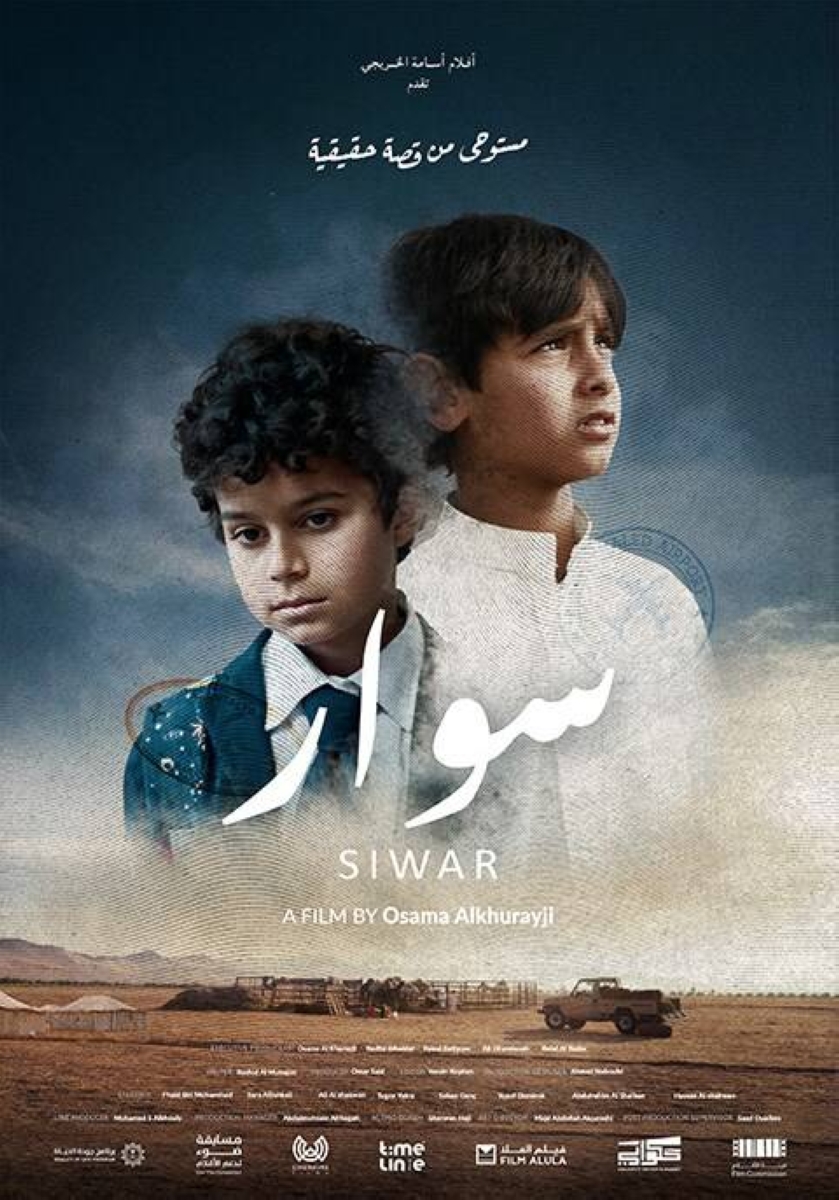
أكد المخرج السعودي أسامة الخريجي أن فيلمه الروائي الأول «سوار» انطلق من وجع حقيقي لا يزال حاضراً في وجدان السعوديين، مشيراً إلى عدم سعيه للتجميل أو المبالغة، بل إلى الصدق الفني والمشاعر العميقة.
وقال الخريجي في تصريحات إعلامية: «أردت قصة تُحرك الداخل، تطرح أسئلة عن الهوية والانتماء دون إجابات جاهزة.. المهم أن تبقى حقيقية، نابعة من الأرض والناس».
وأضاف: «اللغة البصرية في الفيلم لم تكن زخرفية، بل تعبير داخلي عن مشاعر الشخصيات»، معتبراً أن التصوير في السعودية وتركيا شكّل تحدياً كبيراً، لا سيما بسبب اختلاف الثقافات وصعوبات الترجمة، وهو ما أدى لتأجيل التصوير في أنطاكيا، قبل أيام فقط من وقوع الزلزال الكبير. وقال: «هذا التأجيل أنقذ حياتنا، نجونا بلطف إلهي، وبعض من عملوا معنا للأسف فقدناهم في الكارثة».
يروي الفيلم قصة طفلين تم تبديلهما بالخطأ في مستشفى بنجران عام 2003، ليكتشف الأمر بعد أربع سنوات، في قصة تصدرت عناوين الصحف وهزّت المجتمع. ويُقسّم «سوار» إلى ثلاثة فصول درامية تطرح أسئلة عميقة حول الانتماء والعائلة والهوية.
وأكد الخريجي أن الفيلم يمثل نضجاً جديداً في السينما السعودية، إذ لم يعد الهدف مجرد عرض فيلم، بل تقديم تجربة تبقى وتحرّك المشاهد. وقال: «البعض خرج من العروض بصمت، البعض بكى، وهذا هو النجاح بالنسبة لي».
Saudi director Osama Al-Khreeji confirmed that his first feature film "Sewar" originated from a real pain that still resonates in the hearts of Saudis, noting that he did not seek to beautify or exaggerate, but rather to achieve artistic honesty and deep emotions.
Al-Khreeji said in media statements: "I wanted a story that stirs the inner self, raises questions about identity and belonging without ready-made answers... The important thing is to remain true, stemming from the land and the people."
He added: "The visual language in the film was not ornamental, but an internal expression of the characters' feelings," considering that filming in Saudi Arabia and Turkey posed a significant challenge, especially due to cultural differences and translation difficulties, which led to the postponement of filming in Antakya just days before the major earthquake. He said: "This postponement saved our lives; we survived by divine grace, and sadly, some of those who worked with us were lost in the disaster."
The film tells the story of two children who were mistakenly switched at a hospital in Najran in 2003, discovering the truth four years later, in a story that made headlines and shook the community. "Sewar" is divided into three dramatic chapters that pose deep questions about belonging, family, and identity.
Al-Khreeji confirmed that the film represents a new maturity in Saudi cinema, as the goal is no longer just to showcase a film, but to provide an experience that lingers and moves the viewer. He said: "Some left the screenings in silence, some cried, and that is success for me."