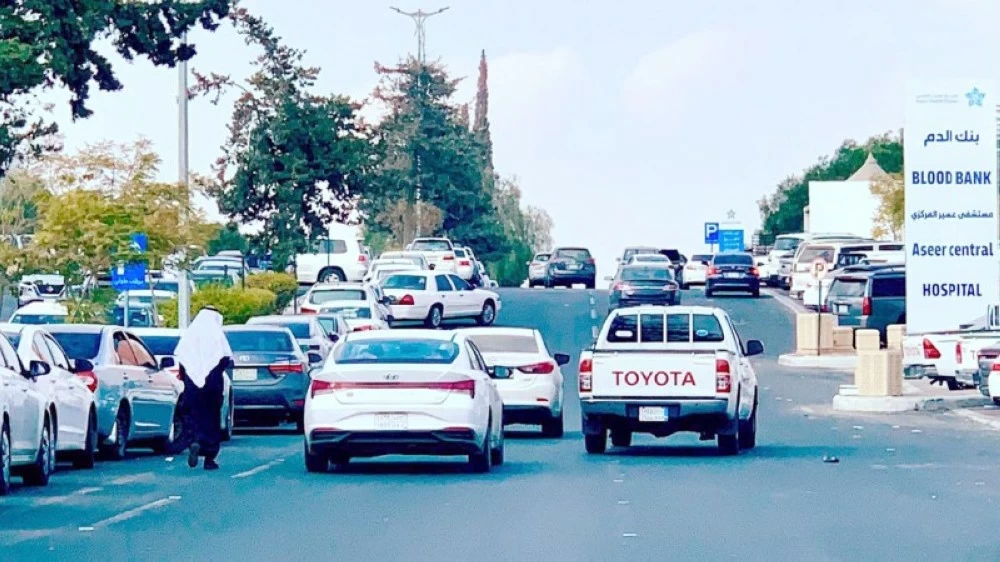
يتجدّد مطلب المترددين لمستشفى عسير المركزي بضرورة وضع مطبّات تهدئة أمام بواباته والمناطق المحيطة به، في ظل ما يشهده الطريق المحاذي للمستشفى من سرعات عالية وتهوّر بعض السائقين.
ويعاني كبار السن من صعوبة واضحة أثناء محاولتهم عبور الشارع، لعدم قدرتهم على الحركة السريعة، وهو ما يضعهم في مواجهة مباشرة مع المركبات المسرعة، خصوصاً في ساعات الذروة، كما يواجه ذوو الاحتياجات الخاصة تحديات كبيرة عند العبور، وسط غياب وسائل التهدئة التي تُجبر السائقين على تخفيف سرعتهم.
ولا تتوقف المعاناة عند المراجعين فحسب، بل تمتد لتشمل الأطباء والعاملين في المستشفى الذين يضطرون لعبور الطريق بشكل يومي، مما يعرّضهم لخطر مستمر أثناء توجههم لمقار عملهم أو مغادرتهم لها.
أما الأطفال فتظل المخاطرة مضاعفة بالنسبة لهم، خصوصاً أن قدرتهم على تقدير سرعة المركبات محدودة، ما يحوّل الطريق إلى مصدر قلق دائم لأسر المرضى والزوار.
ويُؤكّد الأهالي محمد الشهراني وعبدالله القحطاني وسعيد بن سالم، أن وجود خطوط خاصة لعبور المشاة غير كافٍ أمام منشأة صحية بهذا الحجم، مشددين على ضرورة دعم المنطقة بـمطبّات تهدئة وإشارات تنبيهية واضحة، لضمان سلامة المرضى والمراجعين والعاملين، وتفادي حوادث يمكن منعها بإجراءات بسيطة وسريعة.
ويأملون أن تتجاوب الجهات المعنية مع مطالبهم، وأن تُعطى سلامة العابرين الأولوية في هذا الموقع الحيوي.
The demand from visitors to Asir Central Hospital for the installation of speed bumps in front of its gates and the surrounding areas is renewed, in light of the high speeds and reckless behavior of some drivers on the road adjacent to the hospital.
Senior citizens face clear difficulties when attempting to cross the street, as they are unable to move quickly, which puts them in direct confrontation with speeding vehicles, especially during peak hours. Additionally, individuals with special needs encounter significant challenges when crossing, amid the absence of calming measures that would compel drivers to reduce their speed.
The suffering does not stop with the patients alone; it extends to the doctors and hospital staff who are forced to cross the road daily, exposing them to continuous danger while heading to or leaving their workplaces.
For children, the risks are even greater, especially since their ability to gauge the speed of vehicles is limited, turning the road into a constant source of concern for the families of patients and visitors.
Parents Mohammed Al-Shahrani, Abdullah Al-Qahtani, and Saeed Bin Salem emphasize that the presence of designated pedestrian crossings is insufficient for a healthcare facility of this size, stressing the need to support the area with speed bumps and clear warning signals to ensure the safety of patients, visitors, and staff, and to avoid accidents that could be prevented with simple and quick measures.
They hope that the relevant authorities will respond to their demands and prioritize the safety of pedestrians in this vital location.