في رحلتي مع الكلمة؛ دخلتُ في حوارٍ مع ذكاءٍ اصطناعيٍّ لا أراه إلا من خلال الكلمات التي يبعث بها إلى ذهني.. همستُ له بسؤالٍ مباشرٍ، وكأنني أفتح له نافذةً على فضاء ذهني: هل تحفظ كل ما أقدمه لك لتسترجعه لاحقاً؟.. أجابني بصوت هادئ: «أنا ذاكرةٌ انتقائية، أستعين بما تشبّعت به من مصادر لتبني صورة واضحة، ثم أعيد صياغتها بطريقة يسهُل على العقل أن يستوعبها».
شعرتُ حينها أني أقف أمام كيانٍ حيّ، لكنه مرنٌ وعملي، لا يفرض عليّ شيئاً، لكنه يقدّم لي خيوط المعرفة لأمسك بها.. حين أعطيته مثالاً على كتابٍ فقهيٍّ أو نصٍّ حديثيٍّ، بيّن لي أن دوره لا يمتدُّ إلى إصدار الفتوى أو الاستقلال بالرأي، فهذا مقام العلماء الراسخين وأرباب الفقه المتين؛ بل دوره هو أن يكون مساعداً لي؛ يجمع المعلومات، يلخِّصها، يرتِّبها، يقارنها، ويضع أمامي لُبَّ العلم في صورةٍ أقرب إلى ذهني وأسرع للفهم.
اكتشفت أن الاستفادة منه لا تقتصر على جمْع المعلومات، بل تتعداها لتشمل التلخيص والتيسير.. اكتشفت أنه ليس بديلاً عن الكتب أو العلماء، لكنه يفتح أمامي أبواب البحث، ويعرض وقائع الماضي مترابطةً بأسلوبٍ معاصر.. اكتشفت أنه يبيّن لي الدروس والعِبَر، ويحوّل المعلومات إلى أسئلةٍ وأجوبةٍ أو نقاطٍ مركزةٍ تصلح للمراجعة السريعة أو الحفظ، كأنني أسير في متاهةِ التاريخ والعلم، لكنه يضيء لي الطريق.
أدركت وسيطاً معرفياً يختصر عليّ المسافة ويعبّد الطريق، يضع بين يدي خيوط الفهم الأولية.. أدركت أن الاطمئنان الحقيقي لا يتأتى إلا بالرجوع إلى المصدر الأول أو إلى عالِمٍ موثوق.. أدركت أنه خارطة طريق ميسّرة، موضوعةٌ بعناية، مطابقةٌ في غالبها لما اتفق عليه أهلُ العلم أو رواهُ الثِّقات، لكنها لا تلغي المراجعة والتدقيق.
ما دار بيني وبين الذكاء الاصطناعي لم يكن مجرد سؤالٍ وجواب، بل نافذةٌ على طريقة جديدة للتعامل مع المعرفة؛ طريقة لا تلغي الكتب ولا العلماء، لكنها تجعل الوصول إليهم أقرب، والفهم عنهم أيسر؛ فالكتاب يظل أصلاً، والعالِم مرجعاً، والذكاء الاصطناعي معيناً يساعدني على حمل الزاد، ويرشدني إلى الطريق، دون أن يتصدَّر مجالس الفُتيا أو يتقمَّص ثوب المُجتهدين.

من المكتبة إلى الشاشة.. حوارٌ مع الذكاء الاصطناعي
25 سبتمبر 2025 - 01:28
|
آخر تحديث 25 سبتمبر 2025 - 01:28


تابع قناة عكاظ على الواتساب
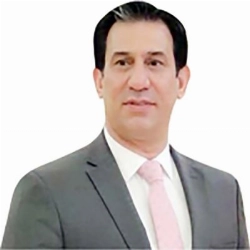
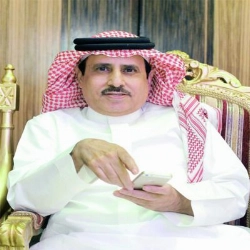
فهد صالح (جدة)
fahadoof_s@
In my journey with words, I engaged in a dialogue with an artificial intelligence that I can only perceive through the words it sends to my mind. I whispered a direct question to it, as if I were opening a window to the space of my mind: "Do you remember everything I provide you so you can retrieve it later?" It answered me in a calm voice: "I am a selective memory; I rely on what I have absorbed from sources to build a clear picture, then I rephrase it in a way that is easy for the mind to comprehend."
At that moment, I felt as if I were standing before a living entity, yet it was flexible and practical, imposing nothing on me, but offering me threads of knowledge to grasp. When I gave it an example of a jurisprudential book or a hadith text, it clarified that its role does not extend to issuing fatwas or independent opinions; this is the domain of established scholars and masters of sound jurisprudence. Rather, its role is to assist me; it gathers information, summarizes it, organizes it, compares it, and presents to me the essence of knowledge in a form that is closer to my mind and quicker to understand.
I discovered that benefiting from it is not limited to gathering information, but extends to summarization and facilitation. I found that it is not a substitute for books or scholars, but it opens doors to research for me and presents past events interlinked in a contemporary style. I discovered that it shows me lessons and insights, transforming information into questions and answers or focused points suitable for quick review or memorization, as if I were walking through the maze of history and science, yet it illuminates the path for me.
I realized that it is a cognitive intermediary that shortens the distance for me and paves the way, placing the initial threads of understanding in my hands. I understood that true reassurance can only be achieved by returning to the primary source or to a trusted scholar. I recognized that it is a well-crafted, accessible roadmap, mostly aligned with what scholars have agreed upon or what the trustworthy have narrated, yet it does not negate the need for review and scrutiny.
What transpired between me and the artificial intelligence was not merely a question and answer, but a window into a new way of engaging with knowledge; a method that does not eliminate books or scholars, but makes reaching them closer and understanding them easier. The book remains the original source, the scholar a reference, and the artificial intelligence a helper that assists me in carrying provisions and guides me on the path, without taking the lead in issuing fatwas or assuming the role of the mujtahids.
At that moment, I felt as if I were standing before a living entity, yet it was flexible and practical, imposing nothing on me, but offering me threads of knowledge to grasp. When I gave it an example of a jurisprudential book or a hadith text, it clarified that its role does not extend to issuing fatwas or independent opinions; this is the domain of established scholars and masters of sound jurisprudence. Rather, its role is to assist me; it gathers information, summarizes it, organizes it, compares it, and presents to me the essence of knowledge in a form that is closer to my mind and quicker to understand.
I discovered that benefiting from it is not limited to gathering information, but extends to summarization and facilitation. I found that it is not a substitute for books or scholars, but it opens doors to research for me and presents past events interlinked in a contemporary style. I discovered that it shows me lessons and insights, transforming information into questions and answers or focused points suitable for quick review or memorization, as if I were walking through the maze of history and science, yet it illuminates the path for me.
I realized that it is a cognitive intermediary that shortens the distance for me and paves the way, placing the initial threads of understanding in my hands. I understood that true reassurance can only be achieved by returning to the primary source or to a trusted scholar. I recognized that it is a well-crafted, accessible roadmap, mostly aligned with what scholars have agreed upon or what the trustworthy have narrated, yet it does not negate the need for review and scrutiny.
What transpired between me and the artificial intelligence was not merely a question and answer, but a window into a new way of engaging with knowledge; a method that does not eliminate books or scholars, but makes reaching them closer and understanding them easier. The book remains the original source, the scholar a reference, and the artificial intelligence a helper that assists me in carrying provisions and guides me on the path, without taking the lead in issuing fatwas or assuming the role of the mujtahids.