قبل سنوات، اتصلت عليَّ مواطنة طاعنة في السن ومريضة، تطلبني التدخل في قضية عتق رقبة ابنها البكر (محمد)، باعتباري ناشطاً اجتماعياً لديَّ الخبرة الكافية في ما يتعلق بـ(عتق الرقاب)، وعضواً مؤسساً لصندوق خيري يعمل تحت مظلة «المركز الوطني لتنمية القطاع غير الربحي».
الأمر الرئيسي الذي دعا (أم محمد) إلى الاتصال بي وطلب النخوة، هو كون المركز جدد مفهوم المسؤولية المجتمعية، وأصَّل ثقافتها، وفعَّل مبادئها بين أفراد المجتمع السعودي، بل أصبح مرجعية لقيام المواطن السعودي تجاه إخوانه أبناء وطنه بمسؤوليته المجتمعية على الوجه الأكمل، وفقاً لرؤية الوطن (رؤية 2030) التي تحث على المسؤولية المجتمعية.
كان للمواطنة (أم محمد) ما توقعته وأرادته، بفضل الله تعالى، إذ زرتها وأسرتها بمنزلهم في الرياض، واطلعت على كل ما يخص القضية، ثم استعنت بمختصين لتسجيل تلك النخوة بالصوت والصورة، ووجهناه لعموم الشعب السعودي النبيل ولكل فاعل خير، وكعادة أبناء وطننا الشامخ بمكارمه أن تجاوبوا لدفع الدِّية المقررة شرعاً، وخفِّضت من قبل صاحب الحق إلى النصف، بعيداً عن مظاهرة الزوبعة الإعلامية أو البهرجة الاجتماعية أو المساومات المادية أو المنافسات المزركشة، وكانت المفاجأة السارة قبيل أيام (27 صفر 1447)؛ وهو تنازل صاحب الحق عن الدِّية لوجه تعالى، الأمر الذي كان وراء عتق رقبة ابن المواطنة.
كمواطن سعودي، اعتبرت في مقابلتي مع (أم محمد) مثل والدتي، وأفراد أسرتها وأبنائها إخوتي، فلو أن كل من بادر لعلاج مشكلة اعتبر أصحابها أهله والمشكلة مشكلته لحلها بفضل الله وتوفيقه.
جزى الله من سعى لذلك خير الجزاء، وشكراً للمركز الوطني لتنمية القطاع غير الربحي، مرجع «صندوق ذرية فضل البيضاني»، وللمركز دور مع الصندوق إذ أهَّلَه لقيامه بواجبه المجتمعي تجاه أخواته المواطنات.

«المركز الوطني» نافذة الوطن على المسؤولية المجتمعية
4 سبتمبر 2025 - 00:46
|
آخر تحديث 4 سبتمبر 2025 - 01:02


تابع قناة عكاظ على الواتساب
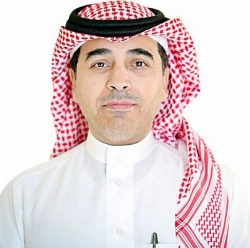
خالد بن حمدي العسكر
مستشار
مدير الإدارة القانونية لصندوق ذرية فضل البيضاني
Years ago, an elderly and ill citizen contacted me, asking for my intervention in the case of her firstborn son (Mohammed), as I am a social activist with sufficient experience regarding (the emancipation of captives), and a founding member of a charitable fund operating under the umbrella of the "National Center for the Development of the Non-Profit Sector."
The main reason that (Um Mohammed) reached out to me and sought my assistance was that the center had renewed the concept of social responsibility, established its culture, and activated its principles among the members of Saudi society. It has even become a reference for Saudi citizens in fulfilling their social responsibility towards their fellow countrymen in the best possible way, in accordance with the nation's vision (Vision 2030), which encourages social responsibility.
Thanks to God Almighty, (Um Mohammed) got what she hoped for, as I visited her and her family at their home in Riyadh, reviewed everything related to the case, and then enlisted specialists to document that noble act in audio and video. We directed it to the noble Saudi people and all philanthropists. As is customary among our proud nation's children, they responded to pay the prescribed blood money, which was reduced by the rightful owner to half, away from the spectacle of media frenzy, social ostentation, material negotiations, or flashy competitions. The pleasant surprise came a few days ago (27 Safar 1447); the rightful owner waived the blood money for the sake of God, which was the reason behind the emancipation of the citizen's son.
As a Saudi citizen, I considered in my meeting with (Um Mohammed) that she was like my mother, and her family members and children were my siblings. If everyone who took the initiative to address a problem considered its owners as their family and the problem as their own, it would be solved by God's grace and success.
May God reward those who worked for this with the best reward, and thanks to the National Center for the Development of the Non-Profit Sector, the reference for the "Dar'iya Fund of Fadl Al-Baydani," and the center played a role with the fund in enabling it to fulfill its community duty towards its fellow citizens.
The main reason that (Um Mohammed) reached out to me and sought my assistance was that the center had renewed the concept of social responsibility, established its culture, and activated its principles among the members of Saudi society. It has even become a reference for Saudi citizens in fulfilling their social responsibility towards their fellow countrymen in the best possible way, in accordance with the nation's vision (Vision 2030), which encourages social responsibility.
Thanks to God Almighty, (Um Mohammed) got what she hoped for, as I visited her and her family at their home in Riyadh, reviewed everything related to the case, and then enlisted specialists to document that noble act in audio and video. We directed it to the noble Saudi people and all philanthropists. As is customary among our proud nation's children, they responded to pay the prescribed blood money, which was reduced by the rightful owner to half, away from the spectacle of media frenzy, social ostentation, material negotiations, or flashy competitions. The pleasant surprise came a few days ago (27 Safar 1447); the rightful owner waived the blood money for the sake of God, which was the reason behind the emancipation of the citizen's son.
As a Saudi citizen, I considered in my meeting with (Um Mohammed) that she was like my mother, and her family members and children were my siblings. If everyone who took the initiative to address a problem considered its owners as their family and the problem as their own, it would be solved by God's grace and success.
May God reward those who worked for this with the best reward, and thanks to the National Center for the Development of the Non-Profit Sector, the reference for the "Dar'iya Fund of Fadl Al-Baydani," and the center played a role with the fund in enabling it to fulfill its community duty towards its fellow citizens.