تشهد المملكة العربية السعودية تحوّلاً شاملاً في مختلف القطاعات ضمن إطار رؤية 2030 التي تضع الاستدامة وحماية البيئة في صميم توجهاتها. ومن بين القطاعات الحيوية التي تخضع لعملية تحديث وتطوير شاملة قطاع المعارض والمؤتمرات حيث أصبح البُعد البيئي أحد العناصر الجوهرية في تنظيمها.
المعارض والمؤتمرات بطبيعتها تستهلك موارد كبيرة من طاقة وكهرباء إلى مواد بناء مؤقتة ونفايات صلبة وهو ما يخلق أثراً بيئياً يمكن أن يكون سلبياً إذا لم يتم التحكم به. من هنا برزت الحاجة إلى إدماج ممارسات الاستدامة البيئية في تصميم وتنفيذ وإدارة الفعاليات.
ومن ممارسات الحفاظ على البيئة في صناعة المعارض عدد من النقاط تتمثل في تقليل استهلاك الورق من خلال الاعتماد على الدعوات الرقمية والتسجيل الإلكتروني بدلاً من الطباعة واستخدام الشاشات بدلاً من البروشورات الورقية. ومن ذلك ايضاً إعادة التدوير والتقليل من النفايات ويتضمن وضع نقاط لجمع وفرز النفايات في مواقع المعارض واستخدام خامات معاد تدويرها في بناء الأجنحة والأكشاك. وهناك جانب مهم وهو الطاقة مثل الإضاءة ويتم فيها استخدام تقنيات الإضاءة الذكية والموفرة للطاقة (LED) والاعتماد على مصادر الطاقة المتجددة في تشغيل المعارض عند الإمكان.
وتتمثل الصحة الغذائية محوراً مهماً في الحفاظ البيئي فاستخدام الأطعمة والمشروبات بشكل مهني ومحوكم بيئي من خلال تقليل استخدام الأدوات البلاستيكية ذات الاستخدام الواحد و توفير خيارات غذائية محلية ومستدامة لتقليل البصمة الكربونية. ويلعب عنصر التنقل والمواصلات دوراً محورياً لدى سياح الأعمال وذلك من خلال توفير حافلات نقل جماعي للزوار لتقليل الانبعاثات وتشجيع استخدام السيارات الكهربائية وتوفير محطات شحن داخل الموقع. وترتبط هذه الممارسات برؤية السعودية 2030.
فرؤية 2030 تهدف إلى بناء مجتمع حيوي واقتصاد مزدهر ووطن طموح. ومن أبرز مستهدفاتها البيئية:
• رفع نسبة النفايات المعاد تدويرها من 5% إلى 85% بحلول عام 2030.
• خفض الانبعاثات الكربونية بنسبة 50%.
• زراعة 10 مليارات شجرة ضمن مبادرة «السعودية الخضراء».
• تحويل المدن السعودية إلى مدن مستدامة بيئياً. فقطاع المعارض والمؤتمرات يعتبر أداة تنفيذية لتحقيق هذه الأهداف، من خلال تبني معايير الشراء الأخضر، وتقنيات البناء المؤقت الصديقة للبيئة، وتنظيم فعاليات ذات محتوى توعوي بيئي وينطلق دور الجهات المنظمة والمراكز في التغيير في عدد من الجهات وهي كالتالي:
- الهيئة العامة للمعارض والمؤتمرات بدأت بربط إصدار تراخيص الفعاليات بوجود خطة استدامة بيئية.
- مراكز المعارض الكبرى مثل مركز الرياض الدولي، بدأت بتطبيق أنظمة إدارة الطاقة وتقنيات إعادة الاستخدام للمنصات والمواد.
- شركات التنظيم باتت مطالبة بإبراز حلول صديقة للبيئة في عروضها، كجزء من مسؤوليتها الاجتماعية والاقتصادية.
وختاماً فالحفاظ على البيئة في قطاع المعارض والمؤتمرات لم يعد خياراً بل أصبح متطلباً وطنياً مرتبطاً بمستقبل الأجيال القادمة ومكانة المملكة العالمية. ومع تسارع مشاريع «نيوم» و«القدية» و«الرياض الخضراء»، فإن دمج الاستدامة البيئية في كل فعالية تُنظم على أرض السعودية هو تأكيد على أن التحول الاقتصادي لا ينفصل عن التوازن البيئي.
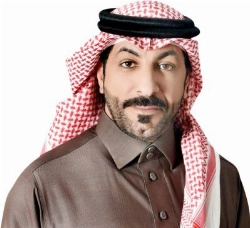
سلمان بن سهيل العطاوي
المعارض الخضراء.. التزام بيئي يتناغم مع طموحات السعودية
25 مايو 2025 - 15:16
|
آخر تحديث 26 مايو 2025 - 00:19


تابع قناة عكاظ على الواتساب
The Kingdom of Saudi Arabia is witnessing a comprehensive transformation across various sectors within the framework of Vision 2030, which places sustainability and environmental protection at the core of its objectives. Among the vital sectors undergoing a comprehensive modernization and development process is the exhibitions and conferences sector, where the environmental dimension has become one of the essential elements in their organization.
Exhibitions and conferences inherently consume significant resources, from energy and electricity to temporary building materials and solid waste, which creates an environmental impact that can be negative if not managed properly. Hence, the need has emerged to integrate environmental sustainability practices into the design, implementation, and management of events.
Among the environmental conservation practices in the exhibitions industry are several points, including reducing paper consumption by relying on digital invitations and online registration instead of printing, and using screens instead of paper brochures. This also includes recycling and waste reduction, which involves setting up collection and sorting points for waste at exhibition sites and using recycled materials in the construction of booths and pavilions. An important aspect is energy, such as lighting, where smart and energy-efficient lighting technologies (LED) are used, and reliance on renewable energy sources to power exhibitions whenever possible.
Food safety represents an important axis in environmental conservation, as the use of food and beverages should be professional and environmentally sound by reducing the use of single-use plastic utensils and providing local and sustainable food options to minimize the carbon footprint. The aspect of transportation plays a pivotal role for business tourists by providing shuttle buses for visitors to reduce emissions, encouraging the use of electric cars, and providing charging stations on-site. These practices are linked to Saudi Vision 2030.
Vision 2030 aims to build a vibrant society, a thriving economy, and an ambitious nation. Among its prominent environmental targets are:
• Raising the recycling rate of waste from 5% to 85% by 2030.
• Reducing carbon emissions by 50%.
• Planting 10 billion trees as part of the "Green Saudi Arabia" initiative.
• Transforming Saudi cities into environmentally sustainable cities. The exhibitions and conferences sector is considered an executive tool to achieve these goals by adopting green purchasing standards, environmentally friendly temporary construction techniques, and organizing events with environmental awareness content. The role of organizing bodies and centers in this change is as follows:
- The General Authority for Exhibitions and Conferences has begun linking the issuance of event licenses to the existence of an environmental sustainability plan.
- Major exhibition centers, such as the Riyadh International Convention and Exhibition Center, have started implementing energy management systems and reuse techniques for platforms and materials.
- Organizing companies are now required to showcase environmentally friendly solutions in their proposals as part of their social and economic responsibility.
In conclusion, environmental conservation in the exhibitions and conferences sector is no longer an option but has become a national requirement linked to the future of upcoming generations and the Kingdom's global standing. With the acceleration of projects like "NEOM," "Qiddiya," and "Green Riyadh," integrating environmental sustainability into every event organized on Saudi soil affirms that economic transformation cannot be separated from environmental balance.
Exhibitions and conferences inherently consume significant resources, from energy and electricity to temporary building materials and solid waste, which creates an environmental impact that can be negative if not managed properly. Hence, the need has emerged to integrate environmental sustainability practices into the design, implementation, and management of events.
Among the environmental conservation practices in the exhibitions industry are several points, including reducing paper consumption by relying on digital invitations and online registration instead of printing, and using screens instead of paper brochures. This also includes recycling and waste reduction, which involves setting up collection and sorting points for waste at exhibition sites and using recycled materials in the construction of booths and pavilions. An important aspect is energy, such as lighting, where smart and energy-efficient lighting technologies (LED) are used, and reliance on renewable energy sources to power exhibitions whenever possible.
Food safety represents an important axis in environmental conservation, as the use of food and beverages should be professional and environmentally sound by reducing the use of single-use plastic utensils and providing local and sustainable food options to minimize the carbon footprint. The aspect of transportation plays a pivotal role for business tourists by providing shuttle buses for visitors to reduce emissions, encouraging the use of electric cars, and providing charging stations on-site. These practices are linked to Saudi Vision 2030.
Vision 2030 aims to build a vibrant society, a thriving economy, and an ambitious nation. Among its prominent environmental targets are:
• Raising the recycling rate of waste from 5% to 85% by 2030.
• Reducing carbon emissions by 50%.
• Planting 10 billion trees as part of the "Green Saudi Arabia" initiative.
• Transforming Saudi cities into environmentally sustainable cities. The exhibitions and conferences sector is considered an executive tool to achieve these goals by adopting green purchasing standards, environmentally friendly temporary construction techniques, and organizing events with environmental awareness content. The role of organizing bodies and centers in this change is as follows:
- The General Authority for Exhibitions and Conferences has begun linking the issuance of event licenses to the existence of an environmental sustainability plan.
- Major exhibition centers, such as the Riyadh International Convention and Exhibition Center, have started implementing energy management systems and reuse techniques for platforms and materials.
- Organizing companies are now required to showcase environmentally friendly solutions in their proposals as part of their social and economic responsibility.
In conclusion, environmental conservation in the exhibitions and conferences sector is no longer an option but has become a national requirement linked to the future of upcoming generations and the Kingdom's global standing. With the acceleration of projects like "NEOM," "Qiddiya," and "Green Riyadh," integrating environmental sustainability into every event organized on Saudi soil affirms that economic transformation cannot be separated from environmental balance.